How a 1968 horror masterpiece turned domestic paranoia into a permanent cultural nightmare.
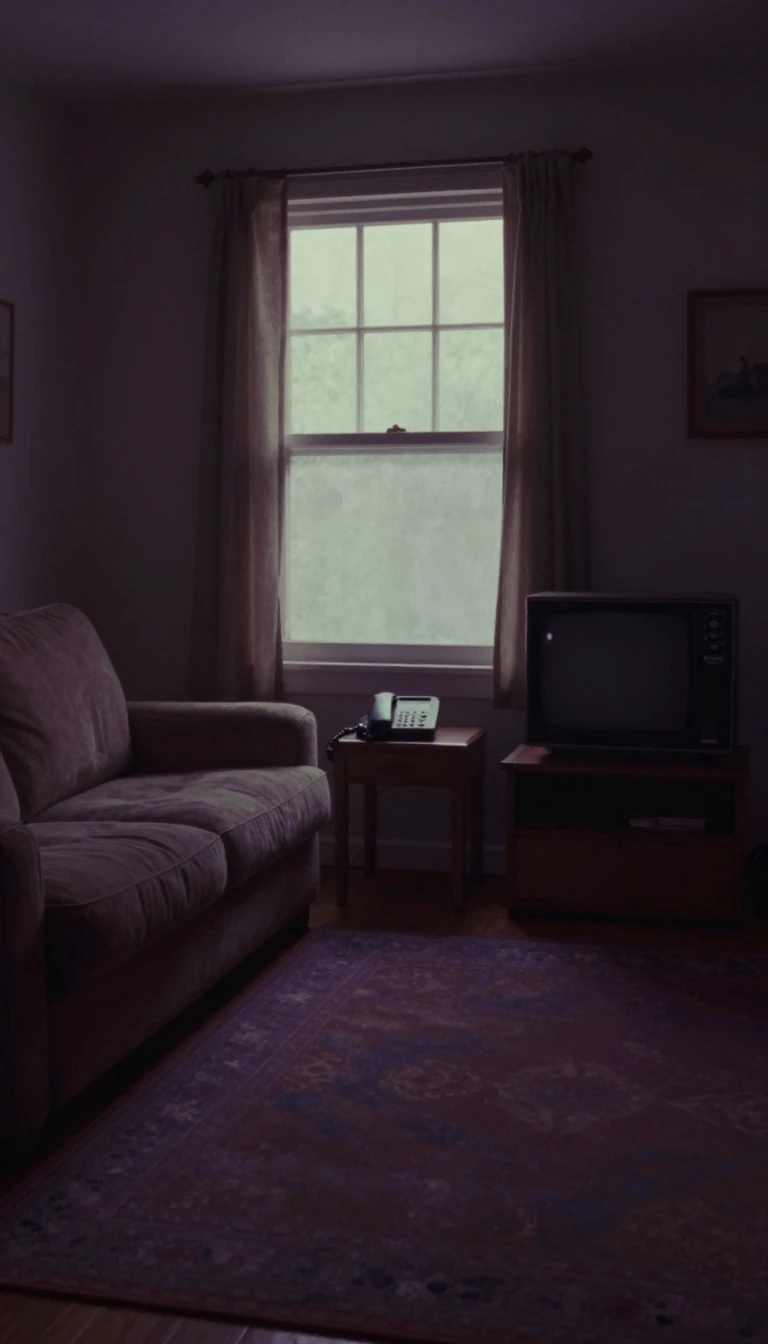
In short: Roman Polanski’s Rosemary’s Baby transformed the mundane anxieties of Manhattan apartment living into a chilling tale of occult conspiracy. By grounding supernatural terror in the recognizable routines of marriage and pregnancy, the film became a genre-defining success that continues to haunt audiences and inspire creators more than fifty years later.
Released on June 12, 1968, Rosemary’s Baby was adapted by Roman Polanski from Ira Levin’s 1967 novel. Paramount Pictures executive Robert Evans secured the rights before the book was even published, betting on the story’s commercial potential. The production was marked by meticulous detail, with Polanski often demanding up to fifty takes per shot, causing the film to exceed its $1.9 million budget by $400,000. Despite the tension, the film became a massive box-office hit, grossing over $33 million worldwide.
The film stars Mia Farrow as Rosemary Woodhouse, a young woman who begins to suspect her elderly neighbors, the Castevets, are members of a Satanic coven targeting her unborn child. Polanski’s direction emphasizes the terror hidden within familiar domestic rituals—cooking, telephoning, and medical appointments. The film’s psychological weight is bolstered by a supporting cast including Ruth Gordon, who won an Academy Award for her portrayal of Minnie Castevet, and John Cassavetes as Rosemary’s husband, Guy.
Beyond its immediate success, the film’s legacy is profound. It launched a franchise that includes a 1976 sequel, a 2014 miniseries, and the 2024 prequel Apartment 7A. In 2014, the Library of Congress selected the film for preservation in the National Film Registry, citing its cultural and aesthetic significance. Today, it remains a benchmark for horror, praised for its ability to evoke menace through the lens of a contemporary, plausible reality that leaves the viewer questioning the intentions of those closest to them.
Opens the Intellect+ feed with this card first. Swipe up for the next one.
Sources
- Summary by Intellect · source: Rosemary's Baby (film)
To cite this card, link to https://intellectplus.co.uk/app/art-rosemary-s-baby-film.
How we source, check and correct cards: Editorial standards.
General information, not professional advice. Spotted an error? Flag the card or see corrections and complaints.
Intellect Plus is a visual educational discovery platform for exploring fascinating facts and ideas. Brain Food, Not Brain Rot. What is Intellect Plus?
Related
More in Film and television · More in Art · Latest · A–Z · All topics
