Why the ancient world called their stone coffins flesh-eaters
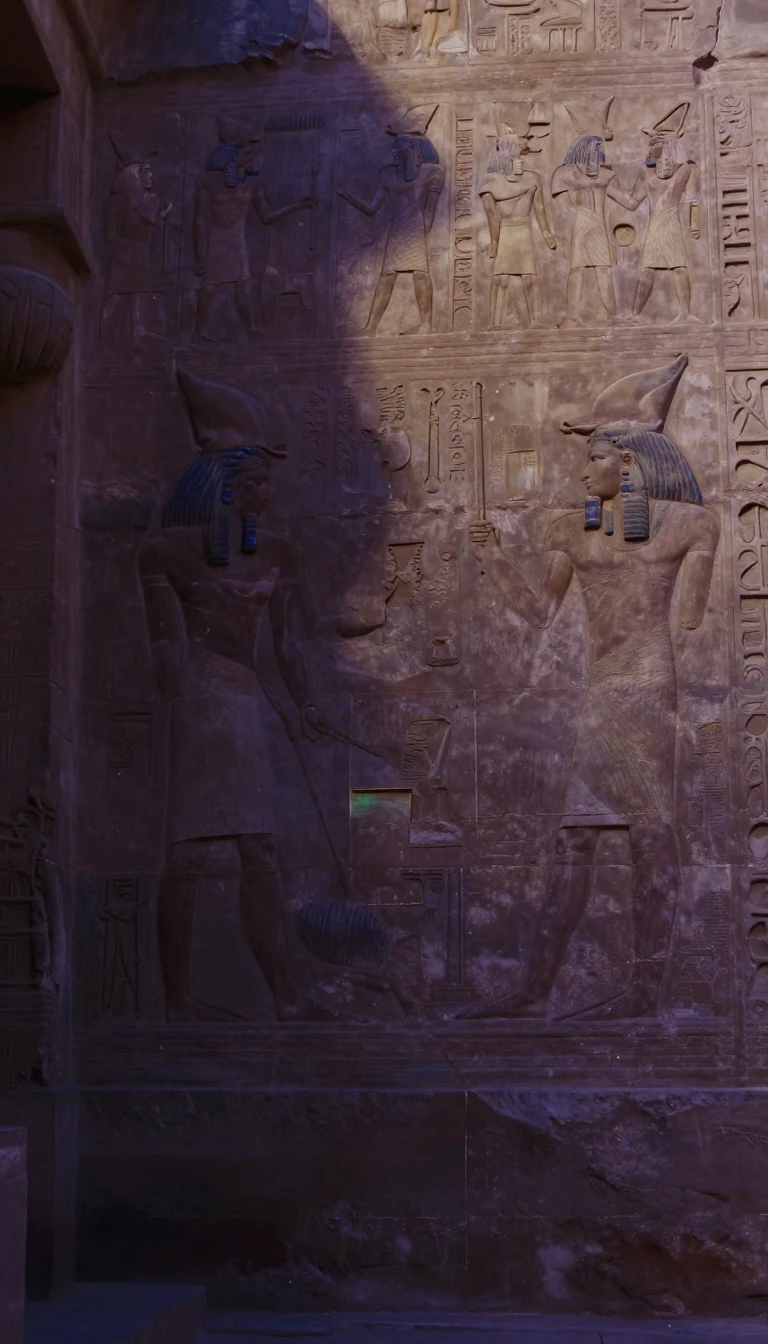
In short: The term sarcophagus comes from Greek words meaning flesh and to eat. Ancient accounts suggest this referred to a specific limestone from the Troad region, believed to dissolve corpses rapidly. Whether this was a literal chemical property or a folkloric belief, the name stuck, evolving into a global funerary tradition.
The etymology of the sarcophagus remains a subject of debate. Pliny the Elder famously claimed the name derived from a limestone found near Troy that possessed the unique ability to consume flesh. While modern scholars view this explanation with skepticism, noting that religious or symbolic ideas about the body may have been the true origin, the term became the standard archaeological designation for large, often stone, coffins. These vessels served as eternal dwellings for the deceased, reflecting deep-seated beliefs in an afterlife.
The evolution of the sarcophagus spans millennia and cultures. In Egypt, the earliest stone examples appeared during the 3rd dynasty, around 2650–2575 BCE, designed to mimic the architecture of palaces. By the 17th dynasty, anthropoid coffins—shaped to resemble the human form—became common, crafted from materials ranging from papyrus to solid gold for royalty. This tradition of elaborate containment persisted through the Ptolemaic period, with upper-class burials often nesting inner coffins within heavy stone outer shells.
Beyond Egypt, the form took on diverse regional characteristics. Minoan larnakes resembled bathtubs or houses, while Phoenician and Hellenistic artisans produced intricately carved marble sarcophagi. In Rome, the practice flourished from the 3rd century BCE, often featuring reclining figures on the lids. These monuments were not merely functional; they were status symbols and canvases for artistic expression. Even as burial customs shifted toward underground interment in the Christian era, the sarcophagus remained a prestigious choice for rulers and church leaders, eventually influencing modern memorial designs in the 19th and 20th centuries.
Opens the Intellect+ feed with this card first. Swipe up for the next one.
Sources
- Summary by Intellect · source: Sarcophagus | Ancient Egypt, Burial, Funerary Art | Britannica
- Also: Sarcophagus
To cite this card, link to https://intellectplus.co.uk/app/art-sarcophagus.
How we source, check and correct cards: Editorial standards.
General information, not professional advice. Spotted an error? Flag the card or see corrections and complaints.
Intellect Plus is a visual educational discovery platform for exploring fascinating facts and ideas. Brain Food, Not Brain Rot. What is Intellect Plus?
Related
More in Visual arts · More in Art · Latest · A–Z · All topics
