Why ancient tombs were built as houses for the dead to inhabit
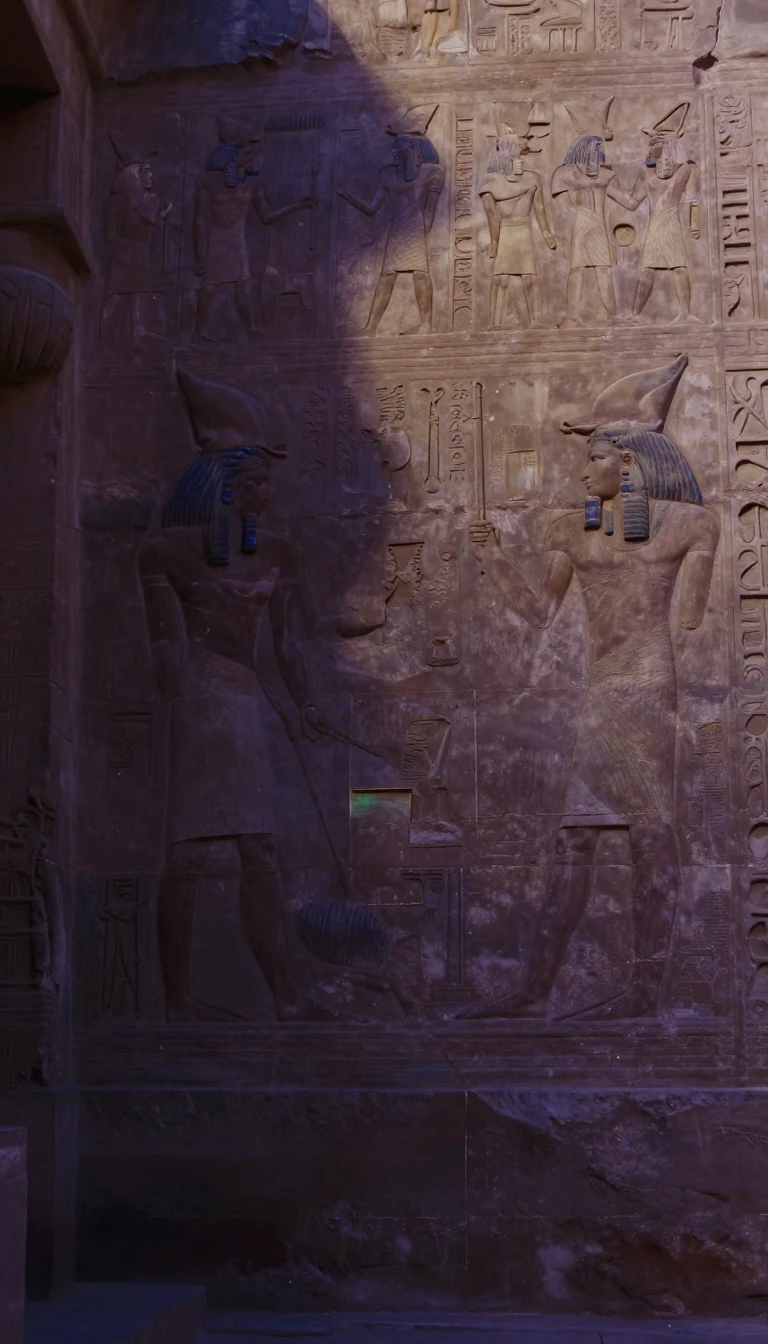
In short: For much of human history, a tomb was not merely a grave but a literal home. Early civilizations designed these structures to replicate domestic spaces, complete with furniture, tools, and even servants. By viewing the afterlife as a continuation of life, these monuments became permanent residences for the departed.
The concept of the tomb as a house likely evolved from primitive practices where the deceased were buried directly within their own homes. As societies advanced, this domestic architecture was translated into permanent materials like stone and brick. Prehistoric barrows were often constructed around round huts, while later civilizations built rectangular or domical structures that mirrored the common housing of their time. These tombs were not just shelters; they were fully furnished environments intended to support the deceased in the next life.
This domestic focus makes tombs invaluable historical records. Because they were stocked with clothes, utensils, and furniture, they provide a vivid window into the daily lives of ancient cultures. In the Early Dynastic Period of Mesopotamia, royal burials were so elaborate that they included actual servants, such as the more than 60 attendants found in the tomb of Queen Shub-Ad of Ur. Over time, however, cultures shifted toward symbolic representation, replacing human sacrifices with statues or painted images, a practice common in Egyptian Old and Middle Kingdom tombs.
The transition away from the 'tomb as home' concept began in the West after the Renaissance. Medieval Christian thought had previously viewed the tomb as an earthly prototype of a heavenly home, often incorporating the church building itself as a burial site. By the 16th century, however, the focus shifted toward erecting funerary monuments rather than residential tombs. Today, the idea of the tomb as a dwelling survives only as a faint echo in modern mausoleums and burial vaults, marking the end of a long tradition of building houses for the dead.
Opens the Intellect+ feed with this card first. Swipe up for the next one.
Sources
- Summary by Intellect · source: Tomb | Funerary Structures & History | Britannica
- Also: Tomb
To cite this card, link to https://intellectplus.co.uk/app/culture-tomb.
How we source, check and correct cards: Editorial standards.
General information, not professional advice. Spotted an error? Flag the card or see corrections and complaints.
Intellect Plus is a visual educational discovery platform for exploring fascinating facts and ideas. Brain Food, Not Brain Rot. What is Intellect Plus?
Related
More in Culture · More in Cultures · Latest · A–Z · All topics
