Why ancient Egyptians stored organs in jars—and why they eventually stopped
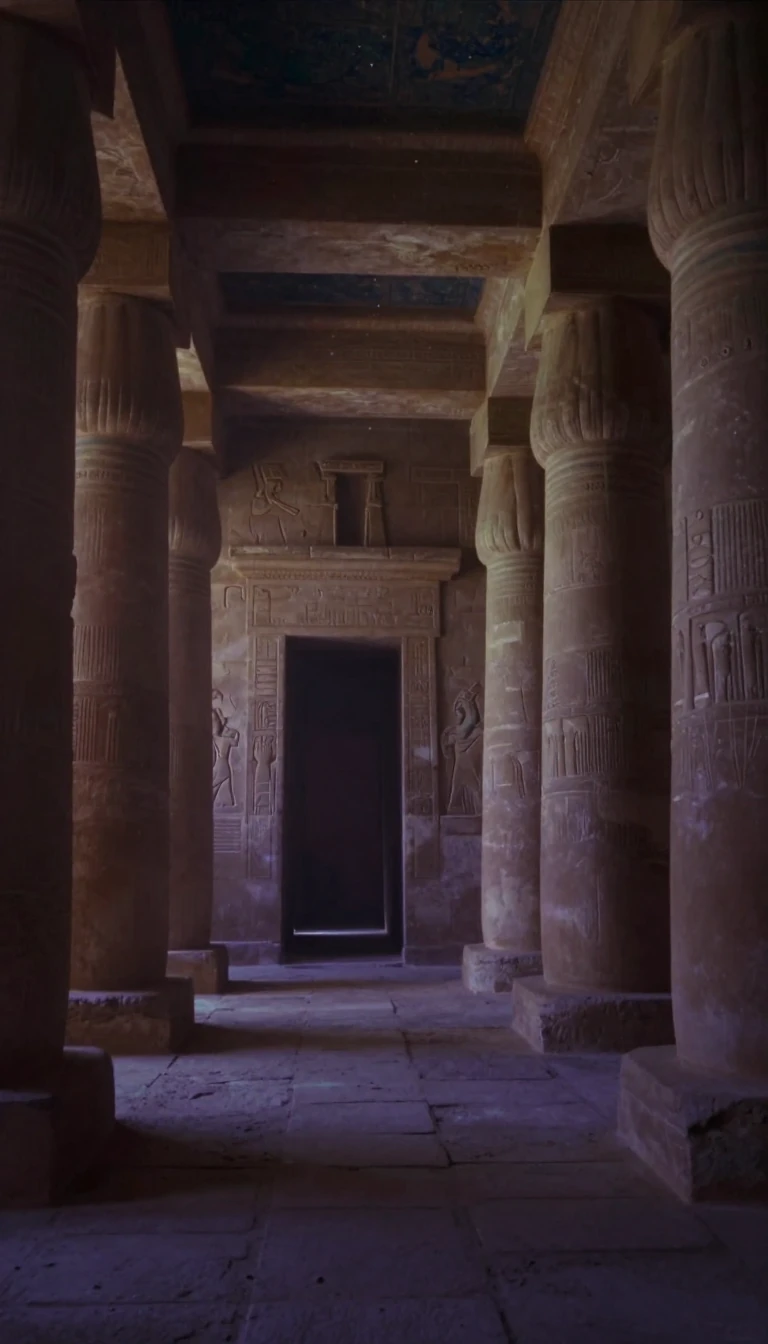
In short: For millennia, the mummification process required removing internal organs to prevent decay. These viscera were carefully preserved in specialized vessels known as canopic jars. Yet, as embalming techniques advanced, these jars evolved from functional containers into symbolic objects, eventually becoming empty, solid dummies buried alongside the deceased.
The practice of evisceration emerged during the Old Kingdom, though the use of dedicated vessels for organ storage did not become standard until the First Intermediate Period. To prevent putrefaction, lungs, liver, stomach, and intestines were removed, salted in natron, and placed into four distinct jars. The heart, however, remained inside the body, as it was considered the seat of the soul.
The design of these vessels shifted significantly over time. Early examples were simple stone jars with plain lids. By the Middle Kingdom, lids often featured human heads, and by the Nineteenth Dynasty, they were standardized to depict the four sons of Horus. Each son, protected by a goddess, guarded a specific organ and represented a cardinal direction: Hapi (baboon-headed, North, lungs), Duamutef (jackal-headed, East, stomach), Imseti (human-headed, South, liver), and Qebehsenuef (falcon-headed, West, intestines).
By the Third Intermediate Period, improved embalming methods rendered the physical removal of organs unnecessary. While the jars remained a vital part of burial tradition, they were no longer hollowed out. Instead, Egyptians placed solid 'dummy' jars in tombs to maintain the ritual’s symbolic integrity. This transition highlights the fluid nature of ancient funerary customs, where the form of the object persisted even as its original biological function faded.
Modern researchers view these jars as invaluable windows into ancient biology. While imaging techniques like CT scans and X-rays have provided insights into mummification, attempts to extract DNA or study pathogens from visceral remains have largely failed due to a lack of viable genetic material. Occasionally, archaeological finds challenge our understanding, such as a 2,600-year-old tomb at Saqqara containing six jars rather than the traditional four, suggesting that specific, individual requests could override established funerary norms.
Opens the Intellect+ feed with this card first. Swipe up for the next one.
Sources
- Summary by Intellect · source: Canopic jar
- Also: Canopic jar | Ancient, Burial, Rituals | Britannica
- Also: The Met — Canopic Jar (07.226.1) with a Lid Depicting a Queen (30.8.54) · CC0
- Also: The Met — Canopic jar with a human-headed lid · CC0
To cite this card, link to https://intellectplus.co.uk/app/culture-canopic-jar.
How we source, check and correct cards: Editorial standards.
General information, not professional advice. Spotted an error? Flag the card or see corrections and complaints.
Intellect Plus is a visual educational discovery platform for exploring fascinating facts and ideas. Brain Food, Not Brain Rot. What is Intellect Plus?
Related
More in Culture · More in Cultures · Latest · A–Z · All topics
