How a painter who built almost nothing shaped the face of European architecture.
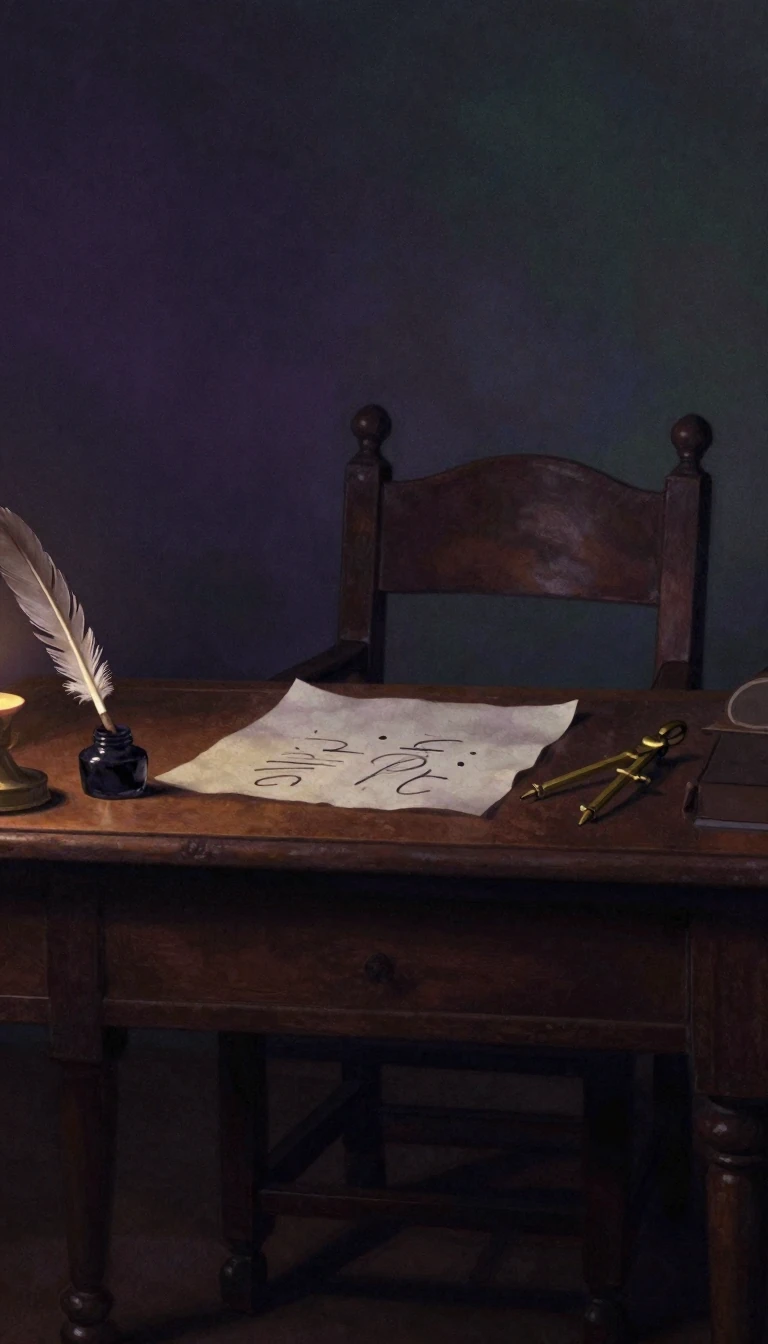
In short: Sebastiano Serlio left behind only two major structures, yet his architectural treatise became the most influential handbook of the Renaissance. By prioritizing practical illustrations over abstract theory, he transformed how architects across Europe learned their craft, effectively canonizing the classical orders and defining the look of Mannerist decoration.
Born in Bologna in 1475, Sebastiano Serlio began his career as a painter before moving to Rome in 1514. There, he studied under Baldassarre Peruzzi, a key figure in the Mannerist movement. Serlio’s path changed after the Sack of Rome in 1527, which halted many projects and eventually led him to Venice. While his own physical buildings—such as the chateau of Ancy-le-Franc, begun in 1546, and a doorway at Fontainebleau—remain rare, his true legacy lies in his writing. His treatise, often titled Tutte l’opere d’architettura et prospetiva, was a revolutionary departure from earlier works like those of Leon Battista Alberti, which were written in Latin and focused on humanistic theory.
Serlio’s work was the first architectural handbook to emphasize practical application and to feature high-quality illustrations. By using woodcuts to catalog the five classical orders and provide models for everything from peasant huts to royal palaces, he made complex design principles accessible to builders and craftsmen. He even included an 'Extraordinary Book of Doors' featuring 50 fanciful designs that became a template for Mannerist decoration throughout northern Europe. His approach was so influential that it was translated into English by 1611 and spread across the continent, standardizing the Greco-Roman style for generations.
The authorship of his work remains a point of nuance. In the introduction to his fourth book, Serlio openly credited his late mentor, Peruzzi, for much of the content, noting that Peruzzi had left him extensive drawings of ancient ruins. While some contemporaries like Vasari and Cellini attributed the bulk of the work to Peruzzi, modern scholars generally defend Serlio’s role in synthesizing these materials and completing the project. Despite his death in 1554, his books continued to circulate, with the first complete edition of his nine existing books not appearing until the English translation published between 1996 and 2001.
Opens the Intellect+ feed with this card first. Swipe up for the next one.
Sources
- Summary by Intellect · source: Sebastiano Serlio | Biography, Architecture, & Facts | Britannica
- Also: Sebastiano Serlio
To cite this card, link to https://intellectplus.co.uk/app/art-sebastiano-serlio.
How we source, check and correct cards: Editorial standards.
General information, not professional advice. Spotted an error? Flag the card or see corrections and complaints.
Intellect Plus is a visual educational discovery platform for exploring fascinating facts and ideas. Brain Food, Not Brain Rot. What is Intellect Plus?
Related
More in Visual artists · More in Art · Latest · A–Z · All topics
