How a royal steward redefined the landscape of ancient Egyptian architecture and royal power
In short: Senenmut was more than a government official; he was the visionary architect behind the reign of Pharaoh Hatshepsut. By orchestrating the construction of her monumental mortuary temple, he left an indelible mark on the New Kingdom. Yet, his legacy extends beyond stone, preserved in dozens of enigmatic votive statues.
Senenmut, whose name translates to brother of Mut or uncle, rose to prominence during the 18th Dynasty as a trusted steward to Pharaoh Hatshepsut. His influence was not merely administrative; he served as the primary architect for the queen’s most ambitious building projects. His work represents a pivotal moment in Egyptian design, characterized by a shift toward innovative structures that integrated seamlessly with the surrounding landscape.
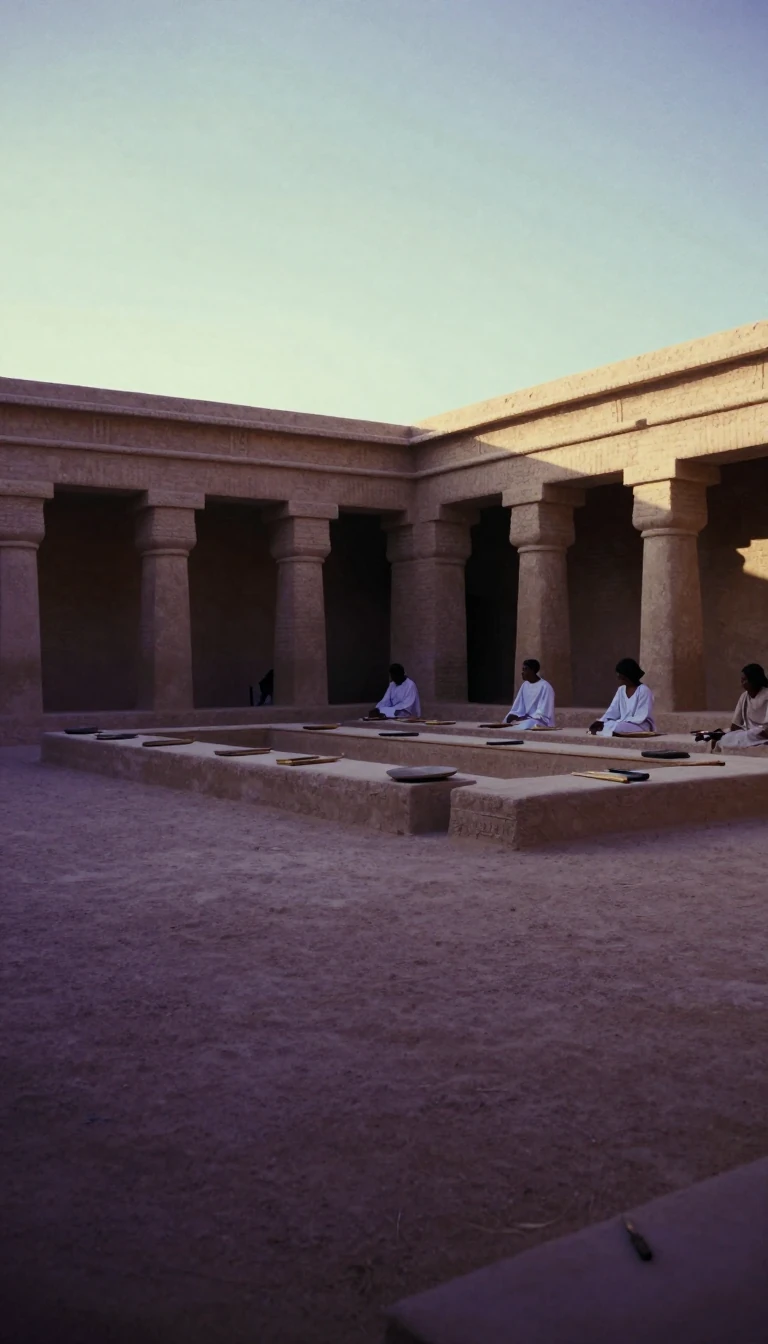
His crowning achievement remains the mortuary temple at Dayr al-Baḥrī, which he designed around 1473 BCE. This complex was a marvel of the New Kingdom, featuring three distinct levels of colonnades and courts. The approach was grand, marked by an avenue of sphinxes, while the forecourt housed a lush garden of trees and vines. The temple walls were adorned with intricate reliefs, famously documenting the expedition to Punt, which served to solidify the pharaoh's authority and divine favor.
Beyond his architectural contributions, Senenmut left behind a unique artistic footprint. At least 23 votive statues of the official have been recovered, many of which are fragmentary but collectively showcase a wide variety of sculptural forms. These artifacts provide rare insight into the life of a royal favorite, reflecting the high status he held within the court. While his exact origins remain a subject of historical study, his role in shaping the aesthetic and physical legacy of Hatshepsut's reign is undisputed.
The significance of Senenmut lies in his ability to translate royal ambition into physical reality. By blending traditional Egyptian styles with new, expansive architectural concepts, he helped define the visual language of the New Kingdom. His career highlights the intersection of political power and artistic innovation, proving that the most enduring monuments often require both a visionary architect and a sovereign willing to push the boundaries of what is possible.
Opens the Intellect+ feed with this card first. Swipe up for the next one.
Sources
- Summary by Intellect · source: Senenmut
- Also: Senenmut | Egyptian steward | Britannica
To cite this card, link to https://intellectplus.co.uk/app/art-senenmut.
How we source, check and correct cards: Editorial standards.
General information, not professional advice. Spotted an error? Flag the card or see corrections and complaints.
Intellect Plus is a visual educational discovery platform for exploring fascinating facts and ideas. Brain Food, Not Brain Rot. What is Intellect Plus?
Related
More in Visual artists · More in Art · Latest · A–Z · All topics
