A Pharaoh’s architectural masterpiece carved directly into the limestone cliffs of Deir el-Bahari
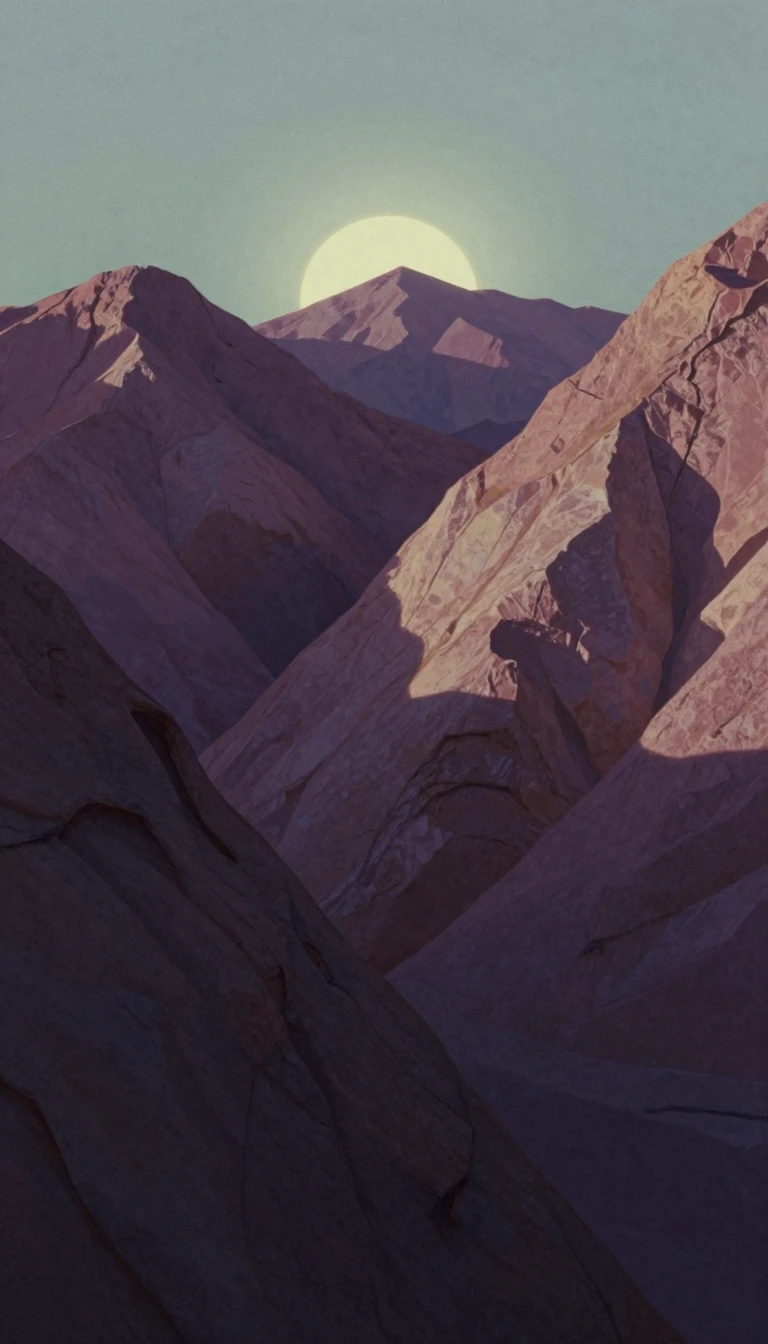
In short: Hatshepsut’s mortuary temple is a feat of ancient engineering, featuring three massive terraces that rise seamlessly into the desert landscape. More than just a tomb, this structure served as a sacred stage for divine processions, blending royal legitimacy with religious ritual in a design that defied the conventions of its time.
Constructed between the seventh and twentieth regnal years of Hatshepsut, the temple—known as Djeser-Djeseru, or Holy of Holies—was heavily inspired by the nearby Temple of Mentuhotep II. Despite this influence, its layout is entirely unique. While the central axis of such structures was typically reserved for the mortuary cult, Hatshepsut repurposed this space for the sanctuary of the barque of Amun-Re. This shift forced the mortuary cult to an auxiliary axis, while a solar cult complex was established to the north. The middle terrace features shrines to Hathor and Anubis, alongside famous reliefs depicting the divine birth of the pharaoh and an expedition to the Land of Punt, both intended to solidify her right to the throne.
The temple’s history is marked by cycles of destruction and restoration. Two decades after the pharaoh's death, Thutmose III launched a brief, two-year campaign to erase her legacy, the motivations for which remain debated—ranging from dynastic disputes to societal discomfort with a female ruler. Later, during the Amarna Period, Akhenaten ordered the removal of images of Amun, causing further damage that was eventually repaired by successors like Tutankhamun and Ramesses II. The site faced additional degradation from an earthquake in the Third Intermediate Period and the eventual construction of a Coptic monastery, which saw Christian imagery painted over the original reliefs.
Modern interest in the site began with Richard Pococke’s 1737 visit, but systematic excavation did not commence until the 1850s. Major efforts by the Egypt Exploration Fund and the Metropolitan Museum of Art throughout the early 20th century paved the way for extensive restoration. Since 1961, the Polish Centre of Mediterranean Archaeology has led ongoing consolidation work, ensuring this architectural marvel remains a testament to the Eighteenth Dynasty’s ambition and the complex political currents of ancient Egypt.
Opens the Intellect+ feed with this card first. Swipe up for the next one.
Sources
- Summary by Intellect · source: Mortuary temple of Hatshepsut
- Also: Art Institute of Chicago — Temple of Hatshepsut · CC0 (data); description CC BY 4.0
To cite this card, link to https://intellectplus.co.uk/app/design-mortuary-temple-of-hatshepsut.
How we source, check and correct cards: Editorial standards.
General information, not professional advice. Spotted an error? Flag the card or see corrections and complaints.
Intellect Plus is a visual educational discovery platform for exploring fascinating facts and ideas. Brain Food, Not Brain Rot. What is Intellect Plus?
Related
More in Architecture · More in Design · Latest · A–Z · All topics
