The art of the shadow: from avant-garde prints to digital mazes
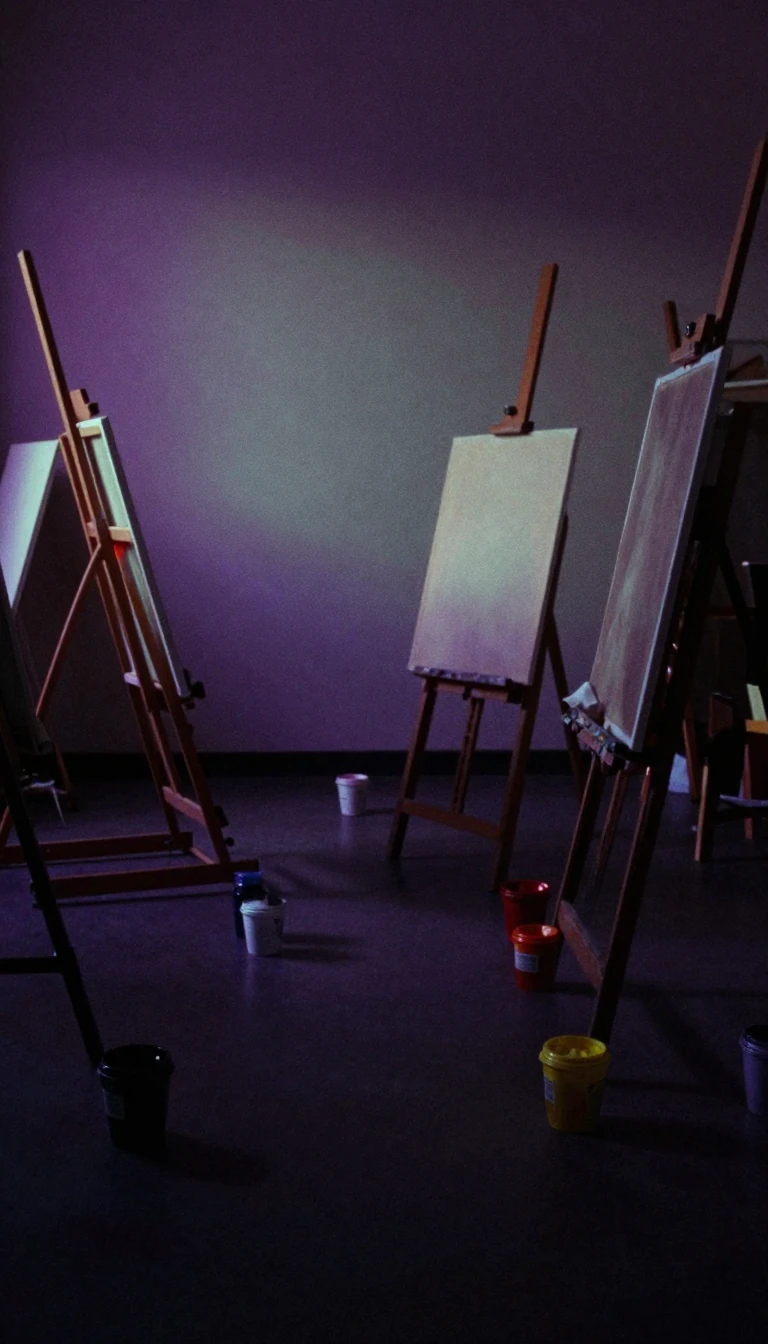
In short: Shadows are rarely just the absence of light; in art, they are deliberate tools of perception. From 1916 photography that fractured reality to a 2025 sci-fi reimagining of Pac-Man, artists use shadows to blur the line between the material world and the immaterial.
In 1916, photographer Paul Strand used shadows to translate the principles of Cubism into a photographic medium. In his work 'Porch Shadows,' Strand deliberately abandoned traditional upright perspectives, tipping the table to suspend its utility and using shadows to create powerful compositional diagonals. His goal was to celebrate photography's inherent qualities through a reduction of objects to basic geometry, avoiding 'tricks of process' to achieve a new modernist aesthetic.
Decades later, the Light and Space movement explored the same concept of immateriality through different means. Robert Irwin’s 1969 sculpture 'Untitled' features a single spray-painted plastic disk cantilevered from a wall. By angling four lights toward the disk, Irwin produces a diaphanous array of overlapping shadows that merge with the painting’s radiant core. This work forces the viewer to confront how a space can be considered 'empty' when it is actually filled with tactile, conditional experiences.
This exploration of atmosphere and 'the maze' reaches a modern peak in the 2025 game 'Shadow Labyrinth.' Developed by Bandai Namco Studios, the game reimagines the Pac-Man franchise as a dark science-fiction Metroidvania. It moves away from family-friendly ghosts toward 'Ice Age' concepts—monsters native to a devastated planet. By blending traditional maze mechanics with high-stakes combat and 'ESP' abilities, it seeks to expand the series' appeal by focusing on the core concepts of the maze and the 'flip' of the table.
Opens the Intellect+ feed with this card first. Swipe up for the next one.
Sources
- Summary by Intellect · source: Shadow Labyrinth
- Also: Art Institute of Chicago — Untitled · CC0 (data); description CC BY 4.0
- Also: Porch Shadows
To cite this card, link to https://intellectplus.co.uk/app/art-shadow-labyrinth.
How we source, check and correct cards: Editorial standards.
General information, not professional advice. Spotted an error? Flag the card or see corrections and complaints.
Intellect Plus is a visual educational discovery platform for exploring fascinating facts and ideas. Brain Food, Not Brain Rot. What is Intellect Plus?
Related
More in Visual artists · More in Art · Latest · A–Z · All topics
