The mysterious Japanese artist who vanished after ten months of brilliant, unflattering kabuki portraits
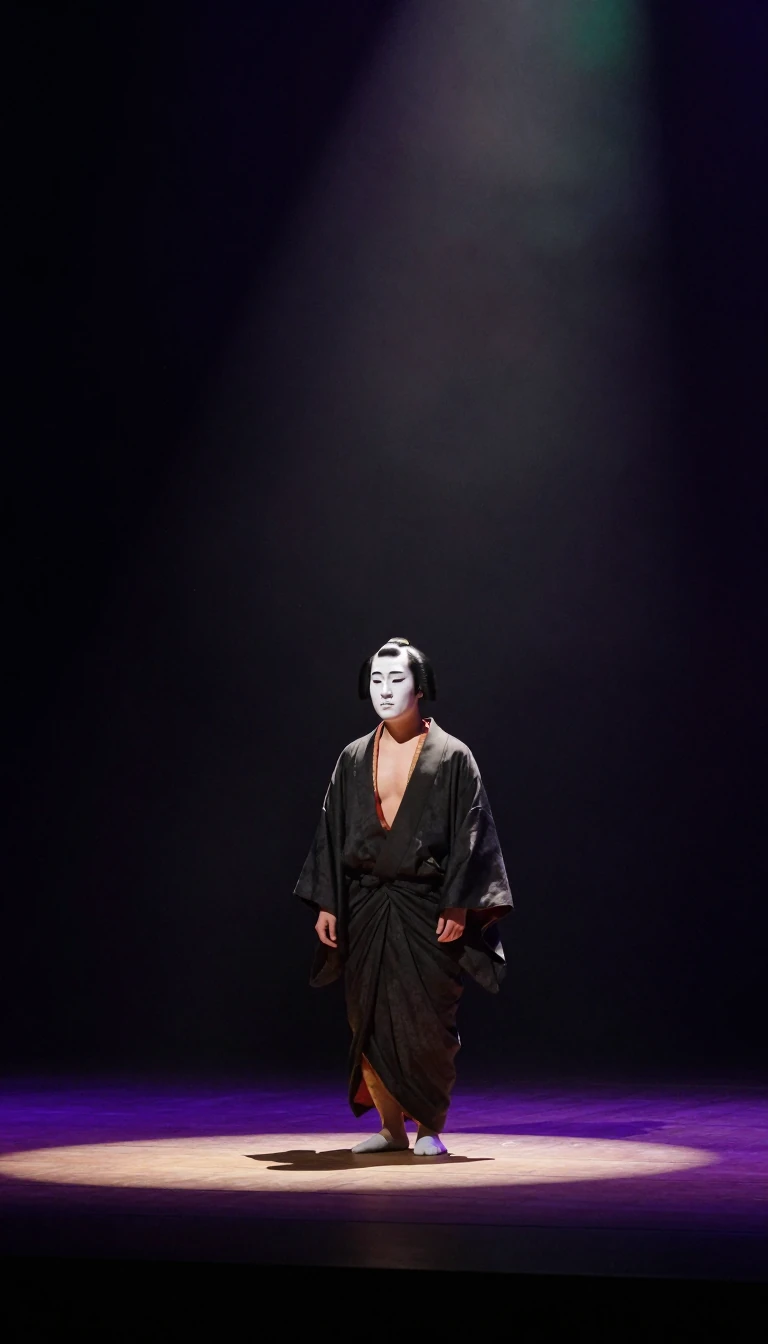
In short: Tōshūsai Sharaku appeared in 1794, produced 144 striking kabuki actor portraits, and then vanished forever. While his contemporaries painted idealized, beautiful subjects, Sharaku captured raw, unflattering realism. His work was rejected by the Edo public, yet today he is celebrated as one of the greatest masters of the ukiyo-e genre.
Sharaku’s career was as brief as it was intense. Active only from 1794 to 1795, he produced an average of one portrait every two days. Unlike the dominant schools of his time, he lacked a formal apprenticeship, yet he immediately utilized advanced techniques like dusting mica in his backgrounds to create a glittering, luxurious effect. His ōkubi-e, or large-headed pictures, focused on the psychology of the actors rather than the narrative of the plays, often highlighting wrinkles, large noses, and aging features that defied the era's standard for beauty.
The Edo public, accustomed to the idealized portraits of artists like Utamaro, reacted poorly to Sharaku’s work. Critics of the time labeled his realism as strange, and his output deteriorated in quality toward the end of his ten-month tenure. By the first month of 1795, his production ceased entirely. Because he left no record of his true identity, birth, or death, he remains one of art history's most enduring enigmas. Over fifty theories have been proposed, ranging from him being a Noh actor named Saitō Jūrōbei to the famous ukiyo-e master Hokusai, but none have gained universal acceptance.
Sharaku’s reputation underwent a radical transformation in the 20th century, largely driven by Western collectors. In 1910, German collector Julius Kurth published a book ranking Sharaku alongside Rembrandt and Velázquez, sparking international acclaim. This reevaluation eventually reached Japan, where his prints are now highly prized. Today, only about 600 copies of his works are known to exist, with roughly 100 remaining in Japan. The scarcity and mystery surrounding his identity continue to fuel intense academic interest and record-breaking auction prices, cementing his status as a unique, if misunderstood, genius of the floating world.
Opens the Intellect+ feed with this card first. Swipe up for the next one.
Sources
- Summary by Intellect · source: Sharaku
- Also: Tōshūsai Sharaku | Ukiyo-e, Kabuki, Prints | Britannica
To cite this card, link to https://intellectplus.co.uk/app/art-sharaku.
How we source, check and correct cards: Editorial standards.
General information, not professional advice. Spotted an error? Flag the card or see corrections and complaints.
Intellect Plus is a visual educational discovery platform for exploring fascinating facts and ideas. Brain Food, Not Brain Rot. What is Intellect Plus?
Related
More in Visual artists · More in Art · Latest · A–Z · All topics
