Why shadows can move faster than light without breaking the laws of physics
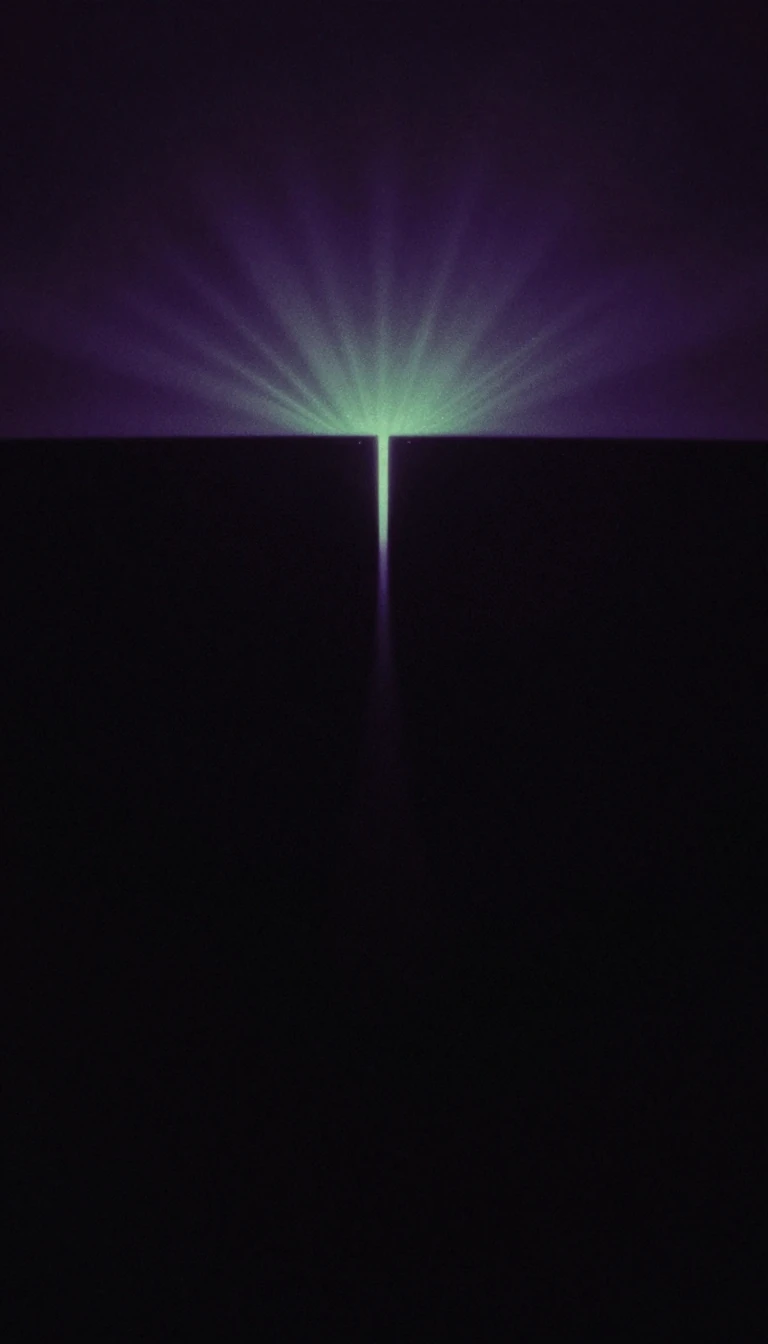
In short: A shadow is more than a simple dark patch on the ground. It is a projection that can stretch, blur, or even appear to move faster than light itself. Because shadows carry no information or momentum, they defy the cosmic speed limit without violating the principles of special relativity.
At its most basic, a shadow is a two-dimensional silhouette created when an object blocks a light source. When the light source is a single point, the shadow is a simple umbra. However, extended light sources create a more complex structure: the umbra, where no light reaches; the penumbra, where the source is partially obscured; and the antumbra. As light sources become more diffuse or numerous, these boundaries blur, creating overlapping patterns or even multicolored effects.
The behavior of a shadow is governed by geometry and the environment. Because a shadow is a projection, its size increases as the distance between the object and the surface grows. If an object moves, its shadow can expand and shift across a surface at speeds exceeding the speed of light. This phenomenon is purely geometric; since no physical signal or information is traveling between the points of the shadow, it remains consistent with special relativity. Even the apparent inversion of light and dark patterns, such as those seen with chain-link fences, is a result of these shifting projections.
Beyond physics, shadows have held deep cultural and spiritual significance throughout history. Ancient Egyptians believed the shadow, or 'shut', contained an essential part of a person's identity, while Islamic tradition views the movement of shadows as a form of prostration to the divine. In the modern era, the utility of shadows has expanded into technology, such as the shadow-effect energy generator (SEG) developed at the National University of Singapore, which harvests power from the contrast between light and dark. Whether as a tool for architectural design, a subject of artistic study, or a source of renewable energy, the shadow remains a complex interplay of light, geometry, and perception.
Opens the Intellect+ feed with this card first. Swipe up for the next one.
Sources
- Summary by Intellect · source: Shadow
To cite this card, link to https://intellectplus.co.uk/app/science-shadow.
How we source, check and correct cards: Editorial standards.
General information, not professional advice. Spotted an error? Flag the card or see corrections and complaints.
Intellect Plus is a visual educational discovery platform for exploring fascinating facts and ideas. Brain Food, Not Brain Rot. What is Intellect Plus?
Related
More in Waves · More in Science · Latest · A–Z · All topics
