Why ancient myths used shapeshifting to explain the unpredictable nature of human desire and fate
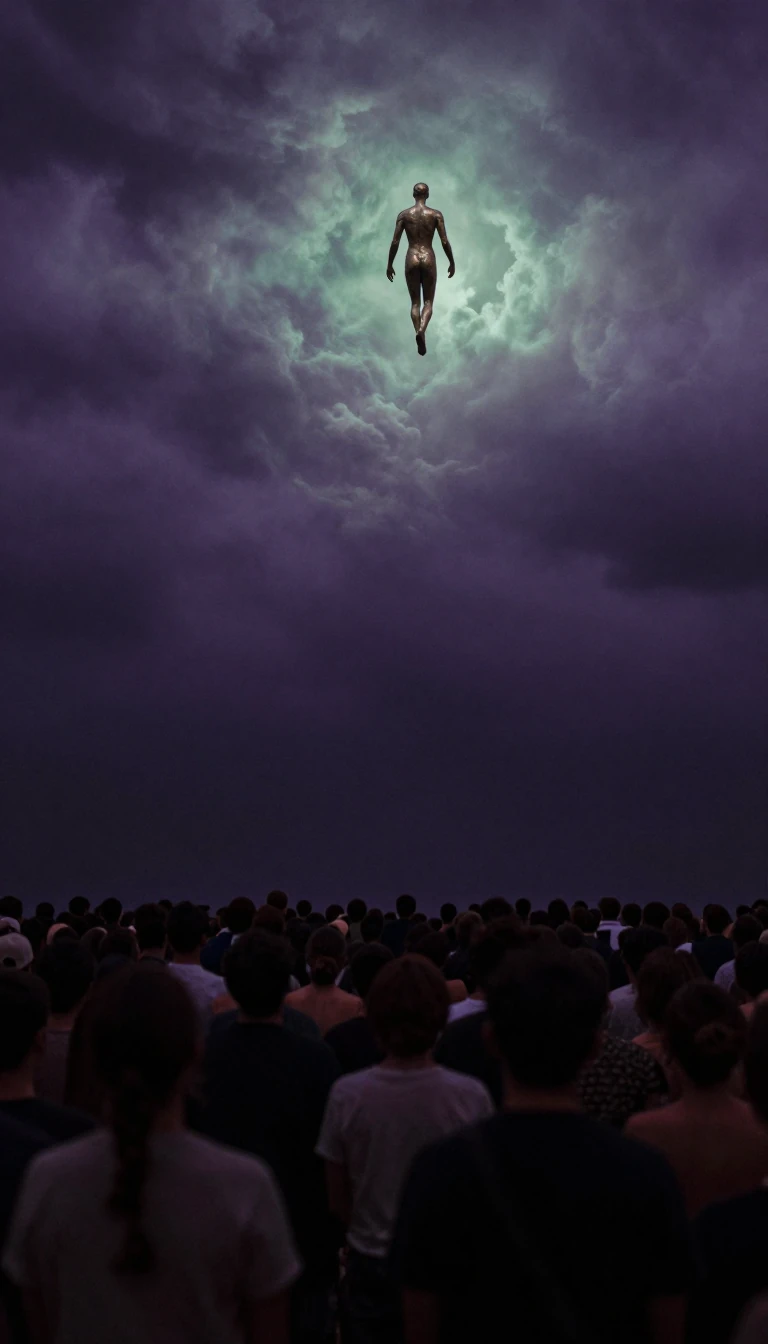
In short: From Greek gods seducing mortals to Celtic selkies shedding their skins, shapeshifting is one of humanity’s oldest narrative tools. It is rarely just a magical parlor trick; it is a profound mechanism for exploring power, punishment, and the fluid boundaries between the human, the animal, and the divine.
Shapeshifting appears in the earliest literature, including the Epic of Gilgamesh and the Iliad. While modern audiences often associate the concept with werewolves—a term derived from the Old English word for man—the mythological scope is far broader. In Greek tradition, transformation was frequently a tool of the gods, used either to punish humans for perceived slights or to facilitate amorous pursuits. Zeus, for instance, famously assumed various forms to approach mortals, while goddesses like Artemis and Hera used metamorphosis to exact vengeance, turning rivals or offenders into animals ranging from bears and stags to spiders and birds.
The mechanism of transformation often serves as a test of endurance or a means of survival. In several myths, such as those involving the god Proteus, a hero can only extract vital information by maintaining their grip on the deity as he cycles through a dizzying array of forms. This motif of the 'struggle through transformation' highlights the persistence required to master fate. Conversely, some stories depict transformation as a permanent state, such as the tragic metamorphosis of Clytie into a heliotropium flower after she spent nine days pining for Helios, or the transformation of the Children of Lir into swans by a jealous stepmother.
Beyond the Greek canon, shapeshifting functions as a bridge between life and death. In Welsh and Irish folklore, figures like Tuan mac Cairill or the bard Taliesin undergo successive animal incarnations, often ending in consumption and rebirth. These narratives suggest a cyclical view of existence where the soul is not bound to a single physical vessel. Whether through the 'glamour' of fairies or the literal skin-shedding of the Scottish selkie, these stories remind us that in the ancient imagination, identity was never fixed—it was a temporary arrangement subject to the whims of gods, the weight of curses, and the relentless passage of time.
Opens the Intellect+ feed with this card first. Swipe up for the next one.
Sources
- Summary by Intellect · source: Shapeshifting
To cite this card, link to https://intellectplus.co.uk/app/art-shapeshifting.
How we source, check and correct cards: Editorial standards.
General information, not professional advice. Spotted an error? Flag the card or see corrections and complaints.
Intellect Plus is a visual educational discovery platform for exploring fascinating facts and ideas. Brain Food, Not Brain Rot. What is Intellect Plus?
Related
More in Concepts of fiction and narrative · More in Art · Latest · A–Z · All topics
