Is the stage hypnotist actually controlling minds, or just masterfully manipulating social compliance?
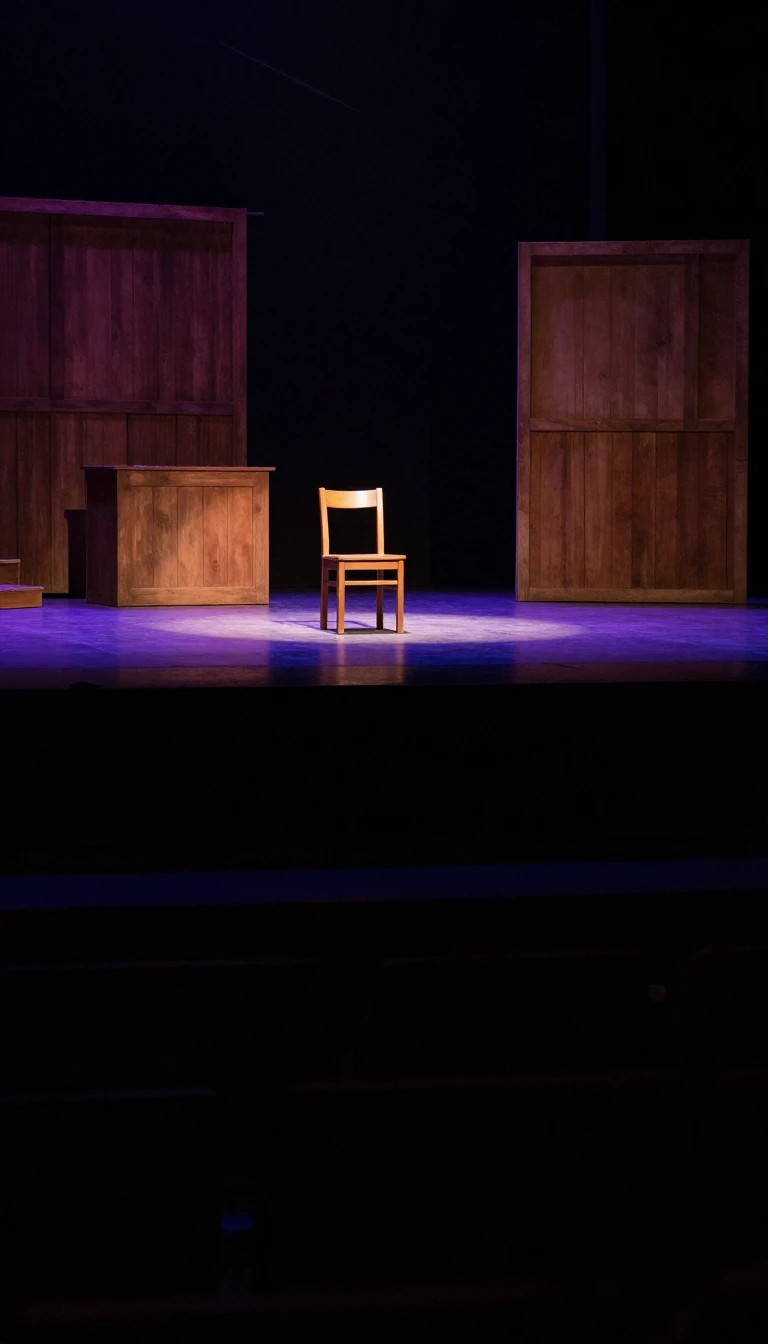
In short: Stage hypnosis is a theatrical spectacle, not a medical procedure. While performers often claim to induce deep trances, skeptics and former practitioners argue the show relies on clever stagecraft, participant selection, and social pressure. The true power lies in the performer's ability to make volunteers eager to play along.
The origins of stage hypnosis trace back to 18th and 19th-century mesmerists who claimed to wield supernatural powers like telepathy or animal magnetism. Even after James Braid coined the term 'hypnotism' in 1843 to describe a psychological process of focused attention, many performers continued to frame their acts as mystical. This tradition persisted well into the 20th century, with figures like Ormond McGill still invoking 'magnetic energy' as late as 1996.
Modern stage hypnosis relies on a calculated sequence of strategies. Performers first use preliminary tests to identify the most suggestible and extroverted audience members. Once on stage, the hypnotist employs techniques like off-microphone whispers, fake challenges, and sleight of hand to maintain the illusion of control. For instance, the famous 'human plank' trick—where a subject is suspended between chairs—is a feat of physics that any strong adult can perform without any hypnotic induction at all.
Skeptics, including the former performer Kreskin, argue that the 'trance' state is a myth. Kreskin, who spent two decades in the field before becoming a whistleblower, famously offered a $25,000 reward to anyone who could prove the existence of such a state, a challenge that remains unclaimed. Instead, the performance succeeds because volunteers are often looking for an excuse to shed their inhibitions, and the hypnotist provides a structured environment where social compliance and the desire to please the audience take center stage.
While some proponents point to historical accounts of painless surgery under hypnosis to argue for a genuine altered state, researchers like Theodore X. Barber have noted that these cases are rare and often involve chemical assistance or specific physiological conditions. Ultimately, the debate over clinical hypnosis has little bearing on the stage. The entertainment value is derived from the hypnotist's ability to build trust and deliver 'super suggestions' that convince participants to act out the show's narrative.
Opens the Intellect+ feed with this card first. Swipe up for the next one.
Sources
- Summary by Intellect · source: Stage hypnosis
- Also: Art Institute of Chicago — On the Stage · CC0 (data); description CC BY 4.0
To cite this card, link to https://intellectplus.co.uk/app/art-stage-hypnosis.
How we source, check and correct cards: Editorial standards.
General information, not professional advice. Spotted an error? Flag the card or see corrections and complaints.
Intellect Plus is a visual educational discovery platform for exploring fascinating facts and ideas. Brain Food, Not Brain Rot. What is Intellect Plus?
Related
More in Performing arts · More in Art · Latest · A–Z · All topics
