Square dancing is a global language of movement governed by a standardized English vocabulary.
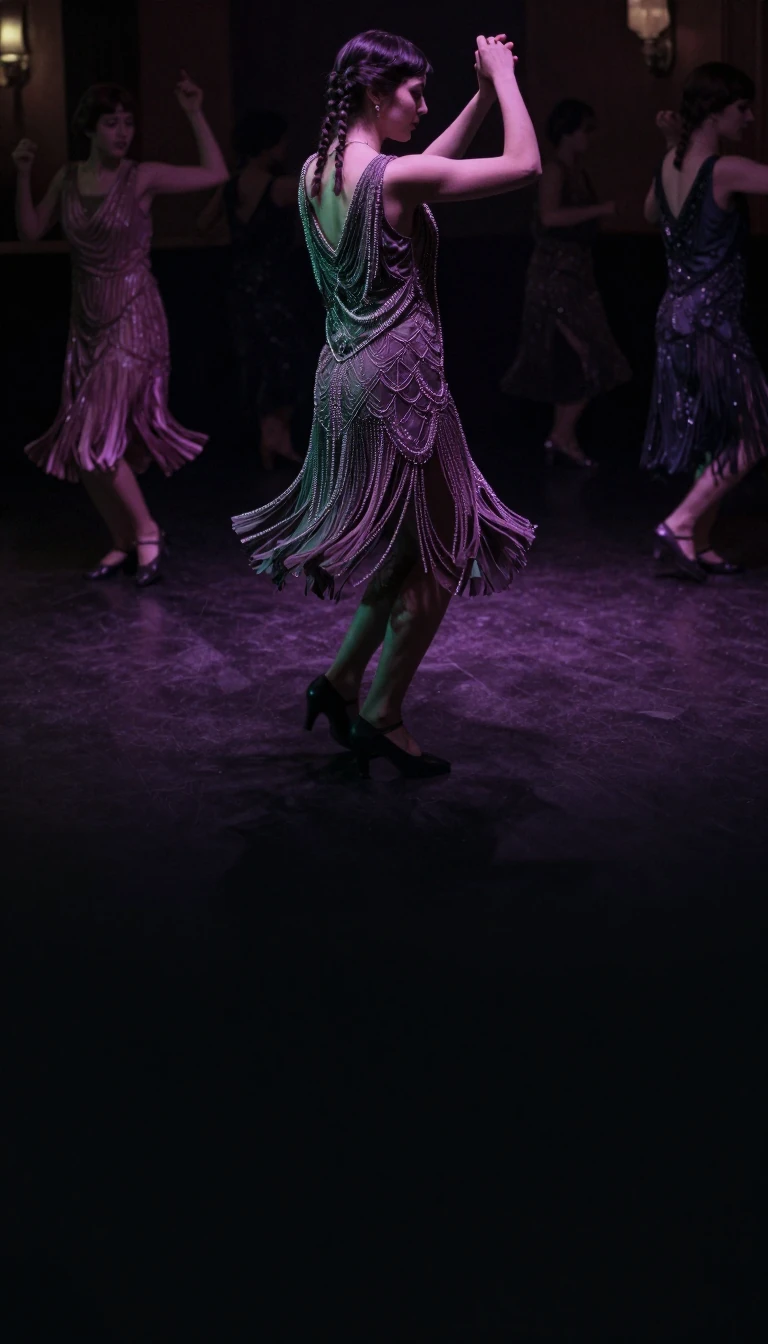
In short: While often associated with the romanticized American cowboy, square dancing is a complex, evolving tradition. From its roots in 17th-century English country dance to the standardized global programs of today, this dance form uses specific calls to unite dancers across borders, regardless of their native language or local culture.
At its core, a square dance involves four couples arranged in a square formation, with one couple on each side. While the practice has deep historical roots—including English country dances documented in 1651 and 18th-century French quadrilles—it underwent significant transformation in North America. By the early 20th century, the practice of a caller directing dancers through sequences became common, eventually evolving into the modern western square dance style.
The standardization of this modern form is largely overseen by Callerlab, an international association that governs the training of callers and the definition of dance moves. The entry-level program, known as Mainstream, consists of approximately 70 core calls. Because these calls are always delivered in English, dancers trained in the Callerlab syllabus can participate in events across roughly 30 countries, including Japan, Russia, and Germany, even if they do not speak the local language.
The evolution of the dance was also shaped by social and industrial forces. In the 1920s, Henry Ford promoted square dancing as a way to return America to what he perceived as traditional, white musical styles. By 1928, square dance classes were present in half of all American public schools. Today, the lines between traditional and modern forms are increasingly blurred, as revival groups adopt new choreography and modern callers occasionally incorporate older, regional figures from Appalachian or New England traditions.
Beyond the standard four-couple set, the form is remarkably flexible. Variations include the Ninepins, which adds a person to the center, and the Hexitation, which places two couples on each side of the square. Whether performed to traditional jigs and reels or modern pop and techno, square dancing remains a living, global practice that continues to adapt to new musical styles and cultural contexts.
Opens the Intellect+ feed with this card first. Swipe up for the next one.
Sources
- Summary by Intellect · source: Square dance
- Also: Art Institute of Chicago — Dance or Exercise on the Perimeter of a Square (Square Dance) · CC0 (data); description CC BY 4.0
- Also: Art Institute of Chicago — Square Dance Fiddler - Chicago · CC0 (data); description CC BY 4.0
To cite this card, link to https://intellectplus.co.uk/app/art-square-dance.
How we source, check and correct cards: Editorial standards.
General information, not professional advice. Spotted an error? Flag the card or see corrections and complaints.
Intellect Plus is a visual educational discovery platform for exploring fascinating facts and ideas. Brain Food, Not Brain Rot. What is Intellect Plus?
Related
More in Performing arts · More in Art · Latest · A–Z · All topics
