Social dance is not a performance but a mirror of shifting human values
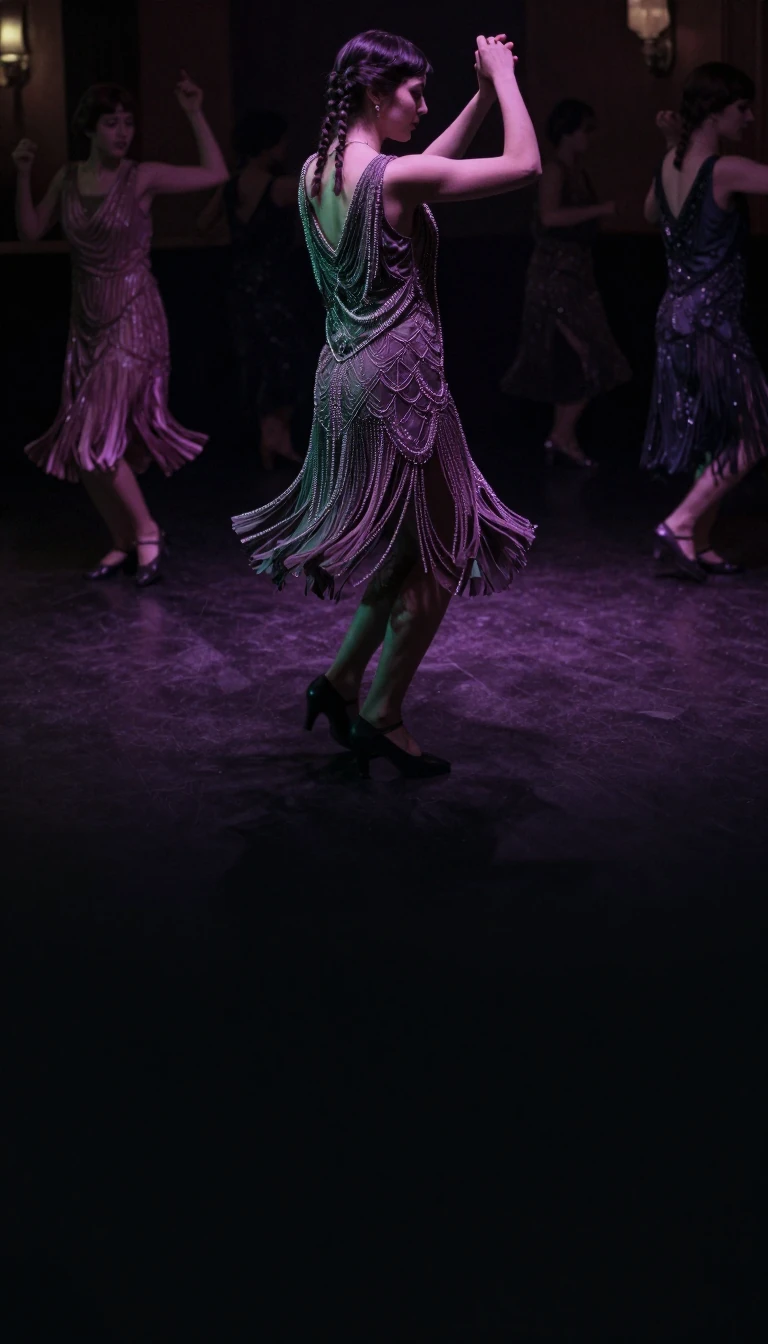
In short: Social dance is designed for participation, not the stage. Throughout history, these movements have evolved from rigid displays of courtly hierarchy to rebellious expressions of individuality. Whether in a 16th-century ballroom or a 1950s nightclub, the way we move together reveals exactly who we are and what we value.
Social dance serves as a living record of societal norms. In the Baroque Era, formal balls functioned as a public display of social hierarchy, where couples were arranged in lines according to their status. By the Regency Era (1811–1830), this formality began to shift. The introduction of the waltz and the polka challenged conventions, as partners danced in closer proximity than previously deemed acceptable. These dances were considered fresh and daring, reflecting a society that was becoming increasingly inventive and youthful.
The 20th century accelerated this evolution through technology and cultural exchange. The phonograph and radio moved dancing away from live orchestras, while the 1950s rock 'n' roll era introduced a spirit of rebellion. Teenagers began dancing as individuals rather than as a leader-follower unit, a departure from the structured partner dances of their parents. Simultaneously, the mid-century saw a massive influx of Latin American influence, particularly from Cuba, where Spanish colonial traditions blended with Indigenous Taíno forms and African rhythms. This fusion eventually coalesced into salsa, a genre popularized by figures like Johnny Pacheco.
While social dance is often secular, the concept of dance as a cosmic force exists in other traditions. In Indian art, the 10th or 11th-century Chola period bronze of Shiva as Nataraja depicts the deity performing a cosmic dance. Unlike the social gatherings of European courts, this dance symbolizes the rhythm of life and death. Shiva balances the flame of destruction with the drum of life, his movements serving as a spiritual mechanism to stamp out ignorance. Whether through the structured steps of a 15th-century basse dance or the symbolic gestures of a divine icon, dance remains a profound tool for articulating the human experience.
Opens the Intellect+ feed with this card first. Swipe up for the next one.
Sources
- Summary by Intellect · source: Social dance
- Also: Art Institute of Chicago — Shiva as Lord of the Dance (Nataraja) · CC0 (data); description CC BY 4.0
To cite this card, link to https://intellectplus.co.uk/app/art-social-dance.
How we source, check and correct cards: Editorial standards.
General information, not professional advice. Spotted an error? Flag the card or see corrections and complaints.
Intellect Plus is a visual educational discovery platform for exploring fascinating facts and ideas. Brain Food, Not Brain Rot. What is Intellect Plus?
Related
More in Performing arts · More in Art · Latest · A–Z · All topics
