How a rejected Western became a textbook for the greatest filmmakers in history
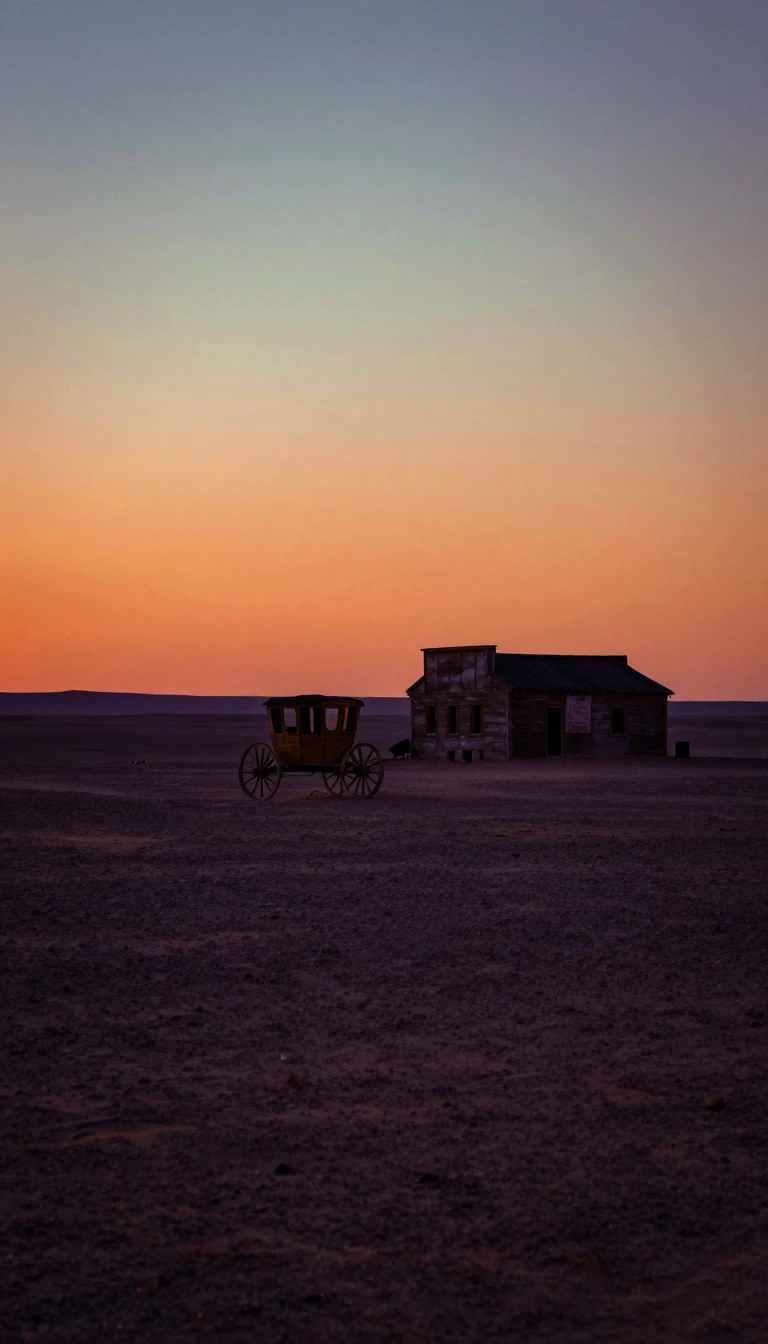
In short: John Ford’s 1939 masterpiece Stagecoach was nearly never made. Studios rejected it for its budget and its lead actor, John Wayne. Yet, it became a genre-defining classic, lauded by Orson Welles as a perfect filmmaking textbook and preserved by the Library of Congress for its profound cultural and aesthetic significance.
When John Ford shopped Stagecoach to Hollywood studios, he faced universal rejection. Producers were wary of big-budget Westerns, which had been out of vogue since the silent era, and they were particularly resistant to Ford’s insistence on casting John Wayne, then a B-movie actor. Even after independent producer Walter Wanger agreed to fund the project, he demanded Ford replace Wayne with Gary Cooper and bring in a more established star for the role of Dallas. Ford refused to budge, eventually securing $250,000—little more than half his requested budget—and giving top billing to Claire Trevor to appease the studio.
The production was physically grueling. Cast and crew were billeted in a spartan CCC camp in Kayenta, Arizona, at an elevation of 5,700 feet. They endured extreme temperatures and constant winds while filming in Monument Valley, a location Ford would return to for many future Westerns. The film’s geography is famously inconsistent, blending shots from Monument Valley with locations in California, such as the Iverson Movie Ranch and Lucerne Dry Lake, where stuntman Yakima Canutt performed the film’s celebrated chase sequences.
Beyond its technical influence, the film is often viewed as a mythic representation of American equality, with characters serving as archetypes rather than individuals. However, it is not without controversy. Critics like Roger Ebert have noted that the film’s depiction of Native Americans is unenlightened, portraying them as murderous savages without acknowledging the context of white expansion. Despite these criticisms, the film’s legacy remains secure; it was a commercial success, earning a $297,690 profit, and remains a staple of film study, with Orson Welles reportedly watching it over 40 times while preparing to direct Citizen Kane.
The film’s survival is a story in itself. The original negative was lost or destroyed, and for years, the only known print was an unscreened copy found in John Wayne’s garage. It was not until 1996 that UCLA fully restored the film from surviving elements, eventually leading to a digital release by The Criterion Collection in 2010.
Opens the Intellect+ feed with this card first. Swipe up for the next one.
Sources
- Summary by Intellect · source: Stagecoach (1939 film)
- Also: Art Institute of Chicago — A Stagecoach · CC0 (data); description CC BY 4.0
To cite this card, link to https://intellectplus.co.uk/app/art-stagecoach-1939-film.
How we source, check and correct cards: Editorial standards.
General information, not professional advice. Spotted an error? Flag the card or see corrections and complaints.
Intellect Plus is a visual educational discovery platform for exploring fascinating facts and ideas. Brain Food, Not Brain Rot. What is Intellect Plus?
Related
More in Film and television · More in Art · Latest · A–Z · All topics
