The 1930 epic that pioneered widescreen cinema and launched John Wayne’s legendary career
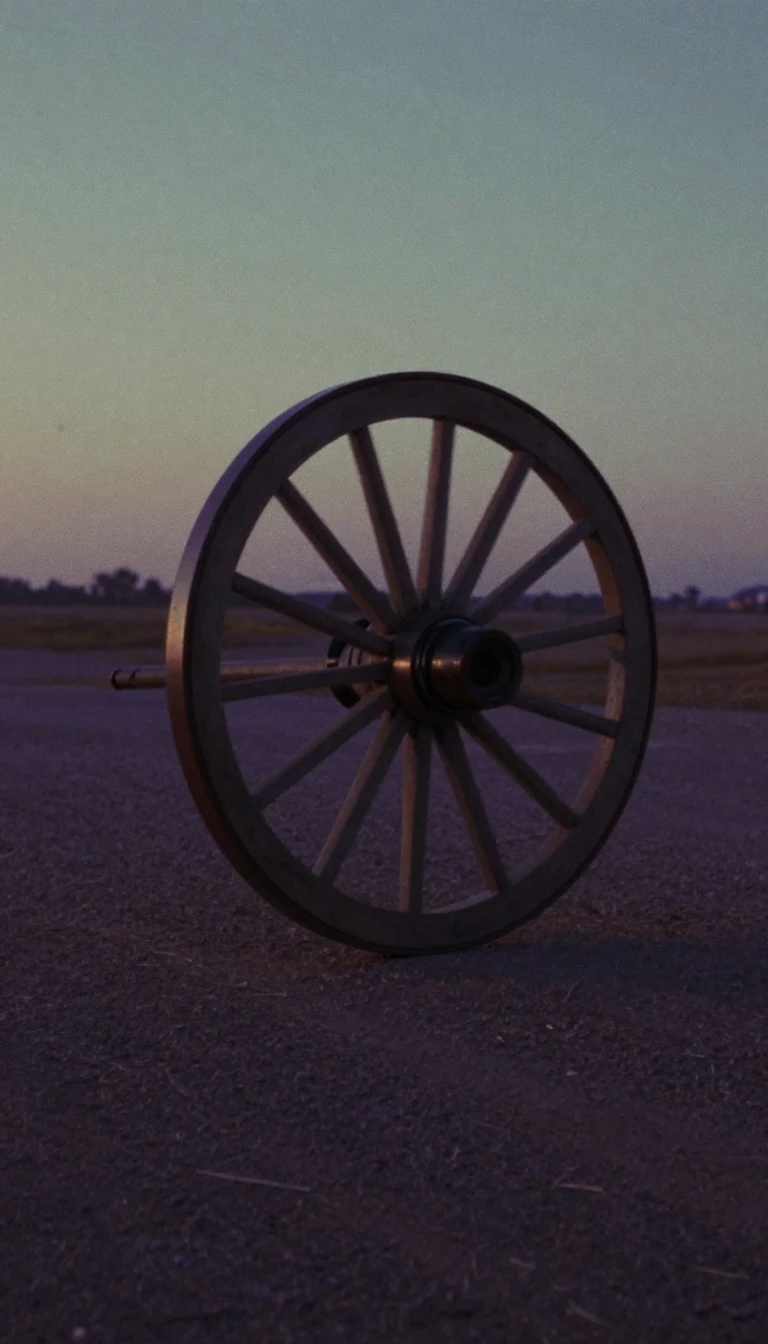
In short: Before he became an icon, a 23-year-old John Wayne starred in The Big Trail, a massive production that pushed 1930s technology to its limits. Filmed in an experimental 70mm widescreen format, the movie captured the American West with unprecedented scale, though its financial failure nearly derailed Wayne’s path to stardom.
Directed by Raoul Walsh, The Big Trail was an ambitious undertaking that sought to redefine the cinematic experience. To achieve its authentic, sweeping vistas, the production utilized 185 wagons, 1,800 cows, and 725 native actors from five different tribes. The film was shot across seven states, covering a 2,000-mile trek that culminated in a buffalo stampede near Moiese, Montana. The production was so committed to realism that wagons were lowered by ropes down canyons to ensure the footage captured the rugged, unblazed landscape of the Oregon Trail.
The film’s technical centerpiece was the 70mm Grandeur process, an early widescreen format that Fox Film Corporation hoped would revolutionize the industry. Because 70mm cameras struggled with close-ups, the production simultaneously shot in 35mm, with the two formats often featuring different camera angles and editing choices. Cinematographer Arthur Edeson noted that the widescreen frame allowed for larger figures, reducing the need for traditional close-ups. However, the high costs of the Grandeur process, combined with the economic pressures of the Great Depression, made the technology financially nonviable for theaters.
Despite its technical brilliance, the film was a box-office failure, relegating John Wayne to low-budget serials for much of the 1930s until his resurgence in 1939. The original 70mm nitrate negative was eventually saved from decay by restoration specialist Karl Malkames, who built a custom printer to preserve the footage in the 1980s. In 2006, the Library of Congress selected the film for the National Film Registry, recognizing its historical and aesthetic significance. Today, the film stands as a testament to a brief, experimental era of Hollywood ambition that preceded the industry's standard transition to sound and conventional formats.
Opens the Intellect+ feed with this card first. Swipe up for the next one.
Sources
- Summary by Intellect · source: The Big Trail
- Also: Wikidata — The Big Trail · CC0
- Also: Wikidata — The Big Trail · CC0
To cite this card, link to https://intellectplus.co.uk/app/entertainment-the-big-trail.
How we source, check and correct cards: Editorial standards.
General information, not professional advice. Spotted an error? Flag the card or see corrections and complaints.
Intellect Plus is a visual educational discovery platform for exploring fascinating facts and ideas. Brain Food, Not Brain Rot. What is Intellect Plus?
Related
More in Films · More in Entertainment · Latest · A–Z · All topics
