Ted Hughes: The Poet Laureate Who Found Divinity in the Harshness of Nature
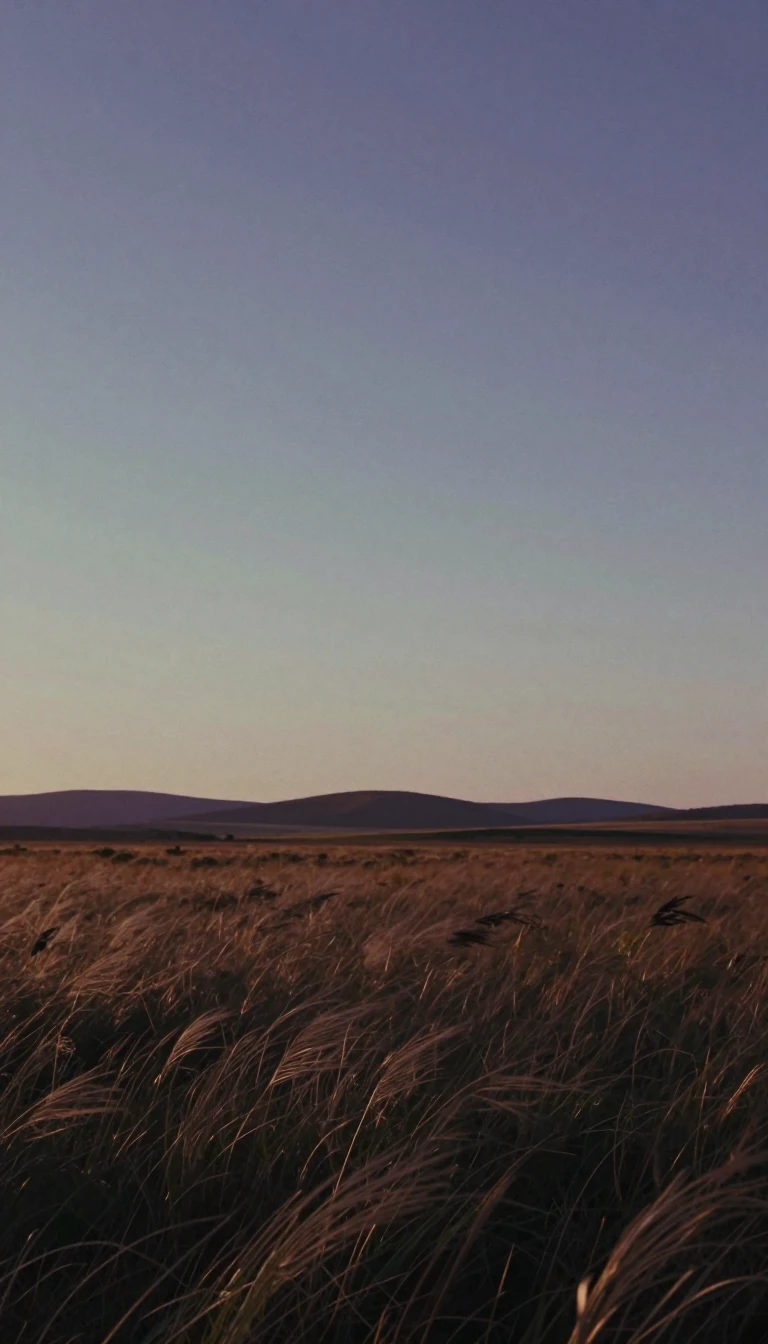
In short: Widely regarded as one of the twentieth century's most significant writers, Ted Hughes transformed the English poetic landscape with his raw, animalistic imagery. Yet, his life was defined by profound personal tragedy, public controversy, and a lifelong attempt to reconcile the human psyche through the ancient power of myth.
Born in 1930 in the Calder Valley of Yorkshire, Hughes was shaped by the rugged moorland and the stark realities of farm life. His early fascination with animals—often acting as a retriever for his brother during hunts—informed a visceral, hard-hitting style that rejected genteel literary conventions. After serving as a ground wireless mechanic in the RAF, where he memorized Shakespeare and Yeats, he attended Cambridge. Though he struggled with the academic approach to literature, his later studies in anthropology and archaeology provided the esoteric framework for his work, including his deep interest in shamanism and the Tibetan Book of the Dead.
Hughes's life was irrevocably marked by his marriage to American poet Sylvia Plath in 1956. Their relationship was intense and creative, yet ended in separation in 1962, followed by Plath's suicide in 1963. As her literary executor, Hughes faced decades of vitriol from critics and protestors who blamed him for her death and attacked his editorial decisions regarding her manuscripts. He famously defended himself against what he called the Plath Fantasia, arguing that the public preferred a mythologized version of her life over the difficult, unvarnished truth.
Beyond the controversy, Hughes was a prolific and versatile artist. He produced celebrated works like the dark, avian-focused sequence The Life and Songs of the Crow and became Poet Laureate in 1984. He was also a dedicated educator and environmentalist, co-founding the Westcountry Rivers Trust to combat the decline of local fish populations. When he died in 1998, his friend Seamus Heaney eulogized him as a tower of strength, noting that his creative powers remained undiminished until the very end. His legacy remains a complex tapestry of brutal naturalism, mythological exploration, and the enduring weight of personal grief.
Hughes's influence extended into the physical world through his commitment to the land. Whether through his poetry, his work with the Arvon Foundation, or his efforts to restore river ecosystems, he sought to heal the dualistic splits he perceived in the human spirit. He believed that poetry was the essential language for this work, a conviction that sustained him through his final years until his death from colon cancer.
Opens the Intellect+ feed with this card first. Swipe up for the next one.
Sources
- Summary by Intellect · source: Ted Hughes
- Also: Art Institute of Chicago — Ted Hughes · CC0 (data); description CC BY 4.0
To cite this card, link to https://intellectplus.co.uk/app/art-ted-hughes.
How we source, check and correct cards: Editorial standards.
General information, not professional advice. Spotted an error? Flag the card or see corrections and complaints.
Intellect Plus is a visual educational discovery platform for exploring fascinating facts and ideas. Brain Food, Not Brain Rot. What is Intellect Plus?
Related
More in UK & Ireland: arts · More in Art · Latest · A–Z · All topics
