Why does a spirited young woman lose her freedom after inheriting a vast fortune?
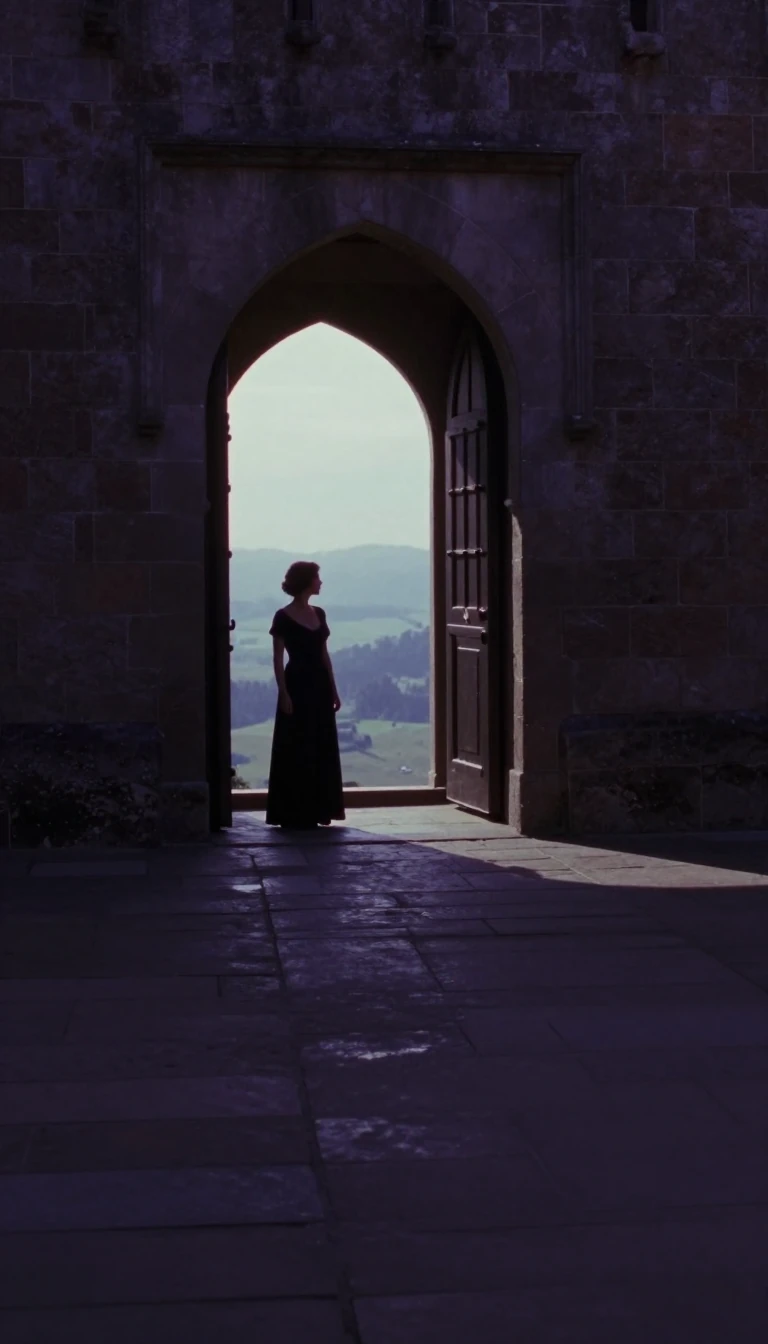
In short: In Henry James's masterpiece, Isabel Archer seeks to affront her destiny, only to find herself trapped in a suffocating marriage. Her journey from an independent American expatriate to a woman ground by conventional expectations remains one of literature's most profound explorations of personal responsibility, betrayal, and the cost of autonomy.
First published in 1881, The Portrait of a Lady follows Isabel Archer, a young woman from Albany who travels to Europe after receiving a significant inheritance from her uncle, Daniel Touchett. Despite her fierce commitment to independence and her rejection of suitors like Lord Warburton and Caspar Goodwood, Isabel is ensnared by the manipulative Gilbert Osmond. Unbeknownst to her, this marriage is orchestrated by the untrustworthy Madame Merle, who hides a secret past with Osmond.
The novel is celebrated for its deep psychological insight, particularly in Chapter 42, where Isabel meditates on the trap her marriage has become. James pushes the boundaries of human consciousness, detailing the terror of a woman realizing her agency has been systematically dismantled by her husband's egotism. Critics have long debated the ending, where Isabel returns to Rome after visiting her dying cousin, Ralph Touchett. Some interpret this as a noble, albeit paradoxical, attempt to uphold her promise to her stepdaughter, Pansy, while others view it as a final, tragic submission to the conventions she once sought to defy.
James’s 1908 New York Edition revisions, particularly the final scene with Goodwood, have been lauded for their emotional intensity. By using subtle verbal magic, James managed to convey a sense of profound awakening that bypassed the restrictive literary conventions of his era. Whether Isabel ultimately chooses to endure her marriage or liberate herself remains an open question, leaving readers to decide if she is a victim of circumstance or a woman making a final, calculated choice to reclaim her own moral ground.
Opens the Intellect+ feed with this card first. Swipe up for the next one.
Sources
- Summary by Intellect · source: The Portrait of a Lady
- Also: Art Institute of Chicago — Portrait of a Lady in a High Hat · CC0 (data); description CC BY 4.0
- Also: Art Institute of Chicago — Portrait of a Lady · CC0 (data); description CC BY 4.0
To cite this card, link to https://intellectplus.co.uk/app/art-the-portrait-of-a-lady.
How we source, check and correct cards: Editorial standards.
General information, not professional advice. Spotted an error? Flag the card or see corrections and complaints.
Intellect Plus is a visual educational discovery platform for exploring fascinating facts and ideas. Brain Food, Not Brain Rot. What is Intellect Plus?
Related
More in UK & Ireland: arts · More in Art · Latest · A–Z · All topics
