Fernando Pessoa’s masterpiece is a factless autobiography that was never intended to be finished.
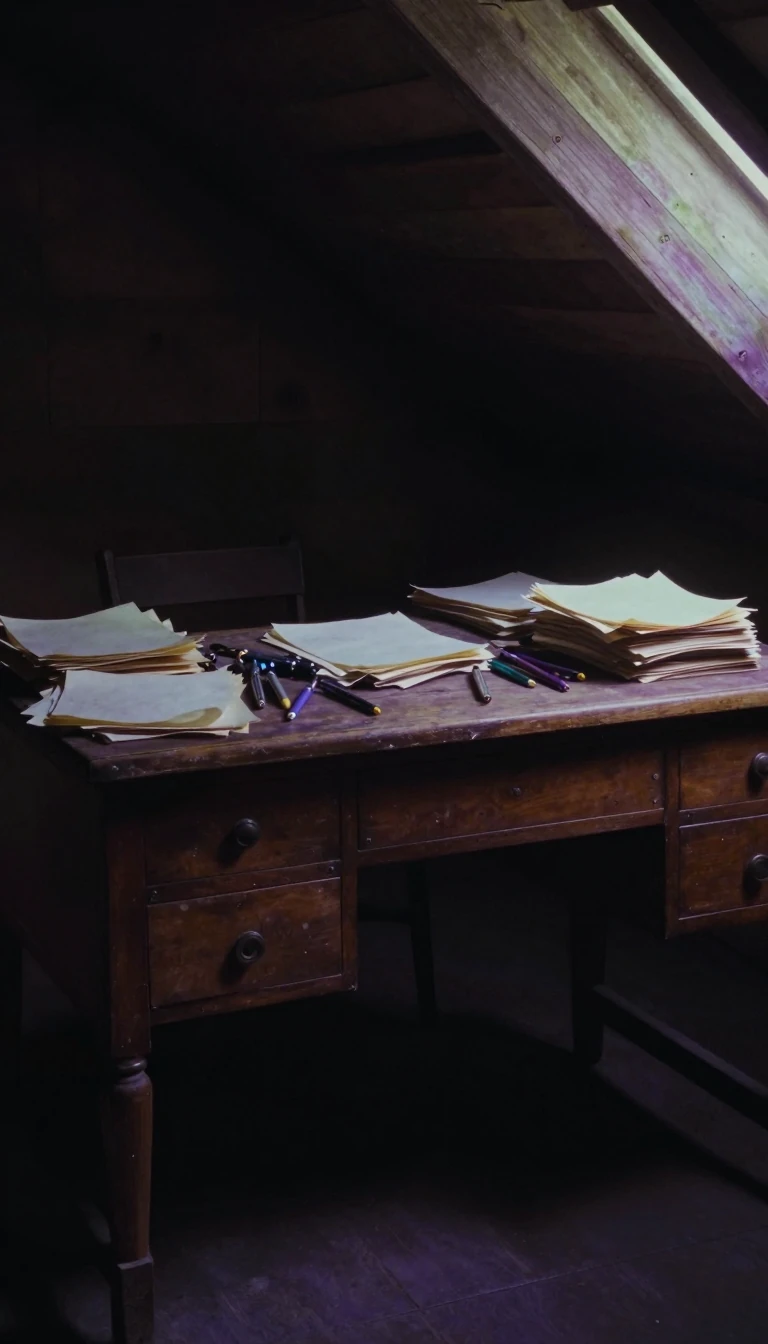
In short: The Book of Disquiet is a sprawling, fragmentary project left unedited at the author’s death. Attributed to a semi-heteronym named Bernardo Soares, this work defies classification as a traditional diary or sketchbook. It remains a singular, haunting chronicle of melancholy that continues to challenge our modern obsession with completed narratives.
Fernando Pessoa, a Portuguese author who lived from 1888 to 1935, left behind a vast, unorganized collection of writings that he described as a factless autobiography. The work was not published until 1982, nearly five decades after his death at age 47. Because Pessoa never finalized the manuscript, the book exists in a state of perpetual incompletion, reflecting what critics identify as the essential, fragmentary nature of his creative spirit. The text contains material dating back to at least 1913, yet it remained open-ended, resisting the monumentality of a finished, self-satisfied work.
The authorship of the book is a subject of intense scholarly debate. While the publication is credited to Bernardo Soares, a semi-heteronym of Pessoa, critics like Teresa Sobral Cunha argue for two distinct phases of composition. She suggests the first phase, spanning the 1910s and 1920s, belongs to Vicente Guedes, while the more personal, diary-like second phase belongs to Soares. Conversely, António Quadros contends that the initial phase belongs to Pessoa himself. This ambiguity is compounded by the fact that the book is not a single, cohesive narrative but a kaleidoscope of voices and digressions from life, often set in the quiet, second-story eateries of Lisbon.
Editorial approaches to the work vary significantly, leading to different reading experiences. Richard Zenith’s 2001 edition curates fragments to create literary coherence, making it the version most frequently cited in philosophical discussions. In contrast, the 2017 edition translated by Margaret Jull Costa prioritizes scholarly fidelity by including all known fragments without editorial selection. Whether viewed as a hybrid of a philosophical diary and a sketchbook, or as a testament to the impossibility of completion in an age of anguish, The Book of Disquiet remains a cornerstone of world literature, recognized by authors globally as one of the finest works ever written.
Opens the Intellect+ feed with this card first. Swipe up for the next one.
Sources
- Summary by Intellect · source: The Book of Disquiet
To cite this card, link to https://intellectplus.co.uk/app/art-the-book-of-disquiet.
How we source, check and correct cards: Editorial standards.
General information, not professional advice. Spotted an error? Flag the card or see corrections and complaints.
Intellect Plus is a visual educational discovery platform for exploring fascinating facts and ideas. Brain Food, Not Brain Rot. What is Intellect Plus?
Related
More in Literature · More in Art · Latest · A–Z · All topics
