How a kidnapped pet dog became the ultimate symbol of survival and raw individualism
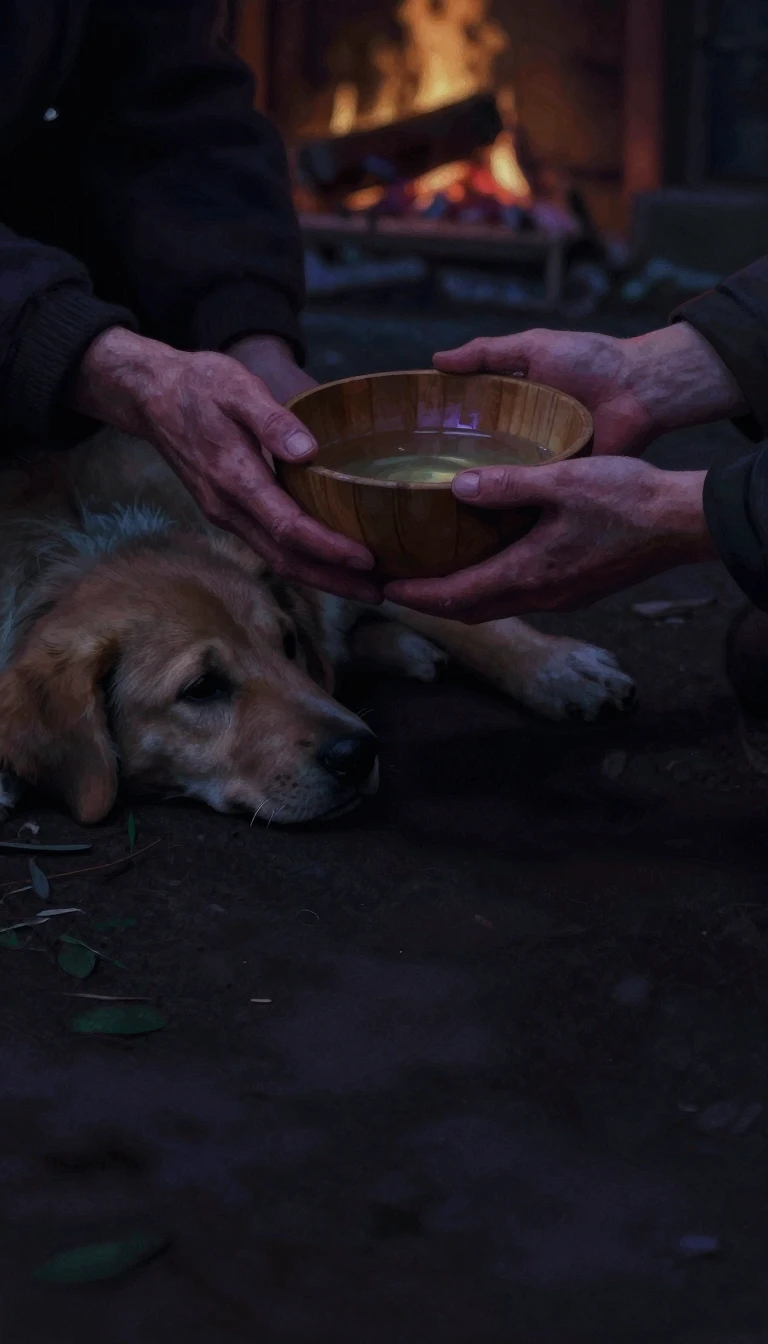
In short: Jack London’s 1903 masterpiece follows Buck, a pampered California pet stolen and thrust into the brutal Klondike gold rush. Forced to abandon civilization for the law of club and fang, Buck’s transformation from domestic companion to legendary leader of a wolf pack remains one of literature’s most enduring explorations of instinct.
Published in 1903, The Call of the Wild captures the harsh reality of the 1890s Klondike gold rush, a period when over 30,000 people flocked to the Yukon territory. London’s narrative, which follows a St. Bernard-Scotch collie mix named Buck, reflects the era's fascination with naturalism and social Darwinism. Initially a beloved pet in Santa Clara, California, Buck is stolen by a gardener to meet the surging demand for sled dogs, marking his descent into a world where survival depends entirely on strength and adaptability.
The novel’s mechanism of change is rooted in the violent transition from the domestic to the primitive. Buck learns the law of club and fang, eventually killing his rival, Spitz, to claim leadership of the sled team. His journey is marked by encounters with incompetent gold hunters and his eventual devotion to John Thornton, the man who saves him from a fatal crossing on thinning ice. This bond is tested by Buck’s growing, atavistic pull toward the wild, where he hunts moose and befriends wolves, balancing his loyalty to Thornton with his burgeoning independence.
The story’s reception has been as complex as its themes. While often categorized as a children’s book, its mature narrative led to it being banned in Italy and Yugoslavia in 1929 and burned by the Nazi Party in 1933 due to London’s socialist views. Today, the novel is recognized for its vivid depiction of the Yukon’s unforgiving beauty. Buck’s evolution—culminating in his life as the elusive 'Ghost Dog' after Thornton’s death—serves as a powerful meditation on the shedding of civilized constraints in favor of the raw, individualistic spirit required to conquer the unknown.
Opens the Intellect+ feed with this card first. Swipe up for the next one.
Sources
- Summary by Intellect · source: The Call of the Wild | Summary, Characters, & Facts | Britannica
- Also: The Call of the Wild
To cite this card, link to https://intellectplus.co.uk/app/art-the-call-of-the-wild.
How we source, check and correct cards: Editorial standards.
General information, not professional advice. Spotted an error? Flag the card or see corrections and complaints.
Intellect Plus is a visual educational discovery platform for exploring fascinating facts and ideas. Brain Food, Not Brain Rot. What is Intellect Plus?
Related
More in Literature · More in Art · Latest · A–Z · All topics
