Ezra Pound’s The Cantos is a sprawling, century-spanning epic of modernist poetry and economics.
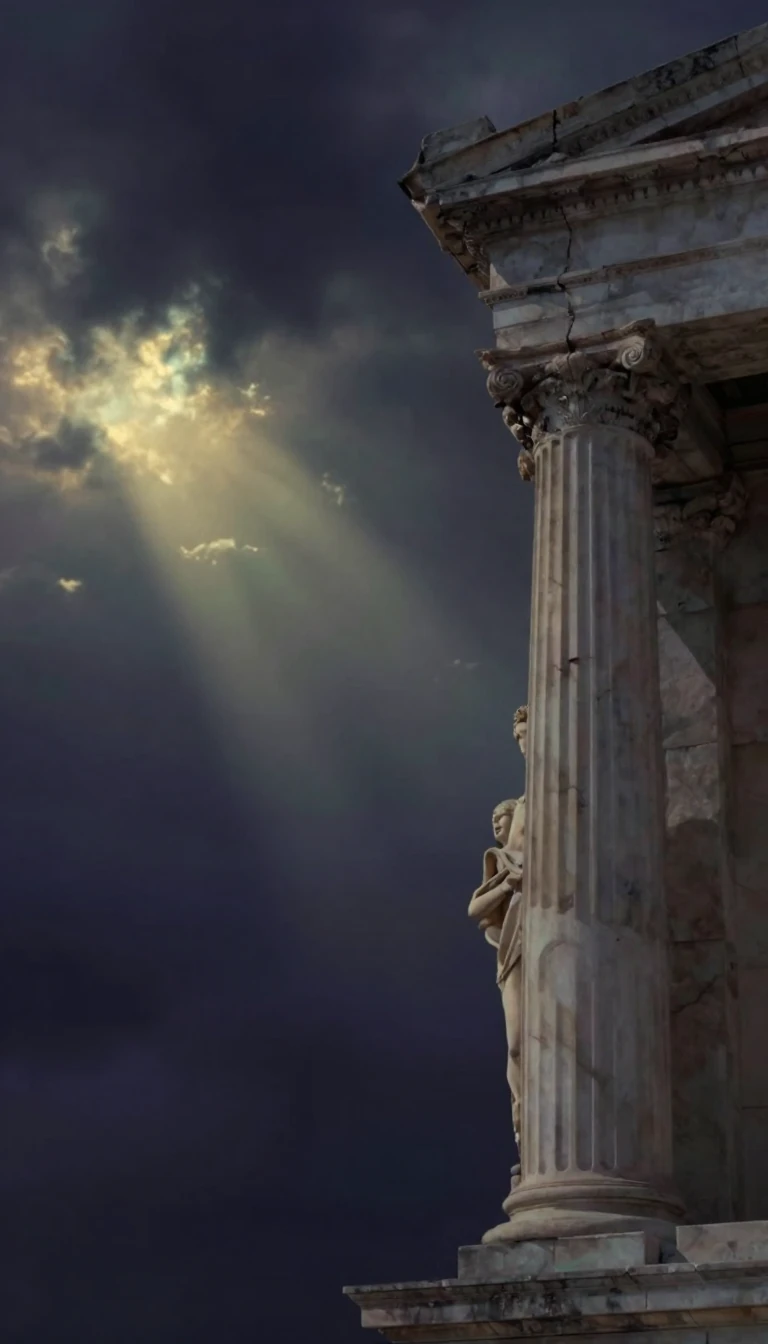
In short: Spanning over 100 sections and written between 1915 and 1962, Ezra Pound’s The Cantos is a monumental, notoriously difficult work. It weaves together history, mythology, and economic theory, functioning less like a traditional poem and more like a vast, fragmented record of a life spent reading and observing the world.
The Cantos began as a project to create a long poem, with Pound initially drafting sections that he later abandoned. His final structure, which grew to include over 100 sections, draws on a vast array of sources, from Homer’s Odyssey to the letters of 15th-century Italian condottiero Sigismondo Malatesta. The poem is famous for its inclusion of Chinese characters and quotations in multiple European languages, requiring readers to frequently consult scholarly commentaries to navigate its abrupt transitions and dense allusions.
Pound’s central preoccupations include governance, culture, and economics, specifically his intense critique of usury. He viewed usury as a charge on credit that stifled artistic production and social order, contrasting it with the 'clear song' of troubadours or the ethical ideals of Confucius. The poem’s symbolic landscape is dominated by an opposition between light and darkness, with images of the sun and moon representing political activity and creative impulse, respectively. Over time, the work evolved to attempt a unification of these disparate elements.
Critics often struggle to define the poem's structure, with some viewing it as chaotic and others as a 'tree-like' organic record of Pound’s intellectual journey. Pound himself once described his approach as similar to iron filings on a mirror, drawn into a shape by a hidden magnet. While the poem is a cornerstone of 20th-century modernism, it is also marked by controversial content, including antisemitic passages and Pound's complex political views, which were further complicated by his incarceration following World War II.
Opens the Intellect+ feed with this card first. Swipe up for the next one.
Sources
- Summary by Intellect · source: The Cantos
- Also: The Cantos | Modernist, Imagism, Epic | Britannica
- Also: Art Institute of Chicago — Canto I, from 18 Cantos · CC0 (data); description CC BY 4.0
To cite this card, link to https://intellectplus.co.uk/app/art-the-cantos.
How we source, check and correct cards: Editorial standards.
General information, not professional advice. Spotted an error? Flag the card or see corrections and complaints.
Intellect Plus is a visual educational discovery platform for exploring fascinating facts and ideas. Brain Food, Not Brain Rot. What is Intellect Plus?
Related
More in Literature · More in Art · Latest · A–Z · All topics
