Did a bet about a galloping horse accidentally invent the motion picture industry?
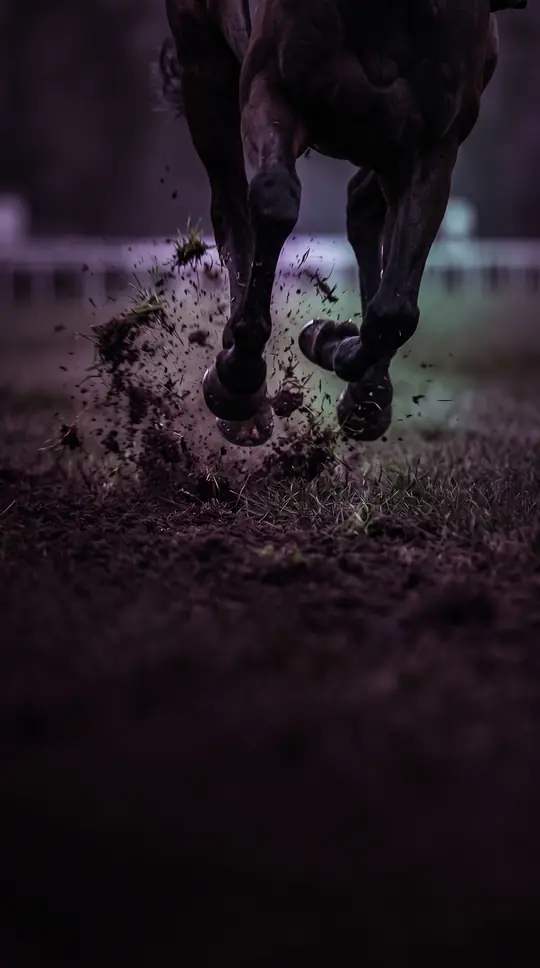
In short: In 1878, photographer Eadweard Muybridge captured a horse in mid-stride, shattering the myth that galloping animals extend all four legs simultaneously. This scientific experiment, commissioned by Leland Stanford to analyze horse gaits, inadvertently birthed chronophotography and provided the foundational technology that would eventually evolve into the modern cinema experience.
Leland Stanford, a wealthy industrialist and horseman, was frustrated by the artistic conventions of his time. Most 19th-century oil paintings depicted running horses with all four legs extended, a pose resembling a flying squirrel. Stanford suspected this was anatomically impossible and hired Eadweard Muybridge to prove it using the camera. Their first attempt in 1873 with the horse Occident yielded only blurry, inconclusive images, but Stanford remained convinced that instantaneous photography could reveal the truth.
The breakthrough occurred on 15 June 1878 at Stanford’s Palo Alto track. Muybridge arranged a battery of 12 cameras triggered by wires tripped by a sulky’s wheel. The resulting photographs of the horse Abe Edgington and the mare Sallie Gardner proved that horses do indeed lift all four feet off the ground, but only when their legs are gathered beneath their bodies. While rumors persist that this project was settled by a massive wager, historians like Phillip Prodger note that no primary accounts of such a bet exist.
The project’s legacy is complex. Stanford published a book in 1882, The Horse in Motion, which featured silhouettes and analytical text by J.D.B. Stillman, largely sidelining Muybridge’s contribution. This snub led to a legal dispute and the withdrawal of funding from the Royal Society of Arts. Despite the personal fallout, the work was a scientific and artistic sensation. Muybridge’s zoopraxiscope, which projected these images as moving sequences, became a precursor to motion pictures, influencing figures like Thomas Edison and inspiring artists from Marcel Duchamp to modern filmmakers.
Beyond its impact on cinema, the study fundamentally altered how humans perceive rapid motion. By demonstrating that the camera could capture phenomena invisible to the naked eye, Muybridge’s work moved photography from a static medium to a tool for scientific analysis. It forced a re-evaluation of animal locomotion and challenged the artistic community to abandon long-held, erroneous assumptions about grace and movement in favor of photographic reality.
Opens the Intellect+ feed with this card first. Swipe up for the next one.
Sources
- Summary by Intellect · source: The Horse in Motion
- Also: www.nature.com — The Horse in Motion - Nature
- Also: Art Institute of Chicago — Sketches of a Horse in Motion · CC0 (data); description CC BY 4.0
To cite this card, link to https://intellectplus.co.uk/app/art-the-horse-in-motion.
How we source, check and correct cards: Editorial standards.
General information, not professional advice. Spotted an error? Flag the card or see corrections and complaints.
Intellect Plus is a visual educational discovery platform for exploring fascinating facts and ideas. Brain Food, Not Brain Rot. What is Intellect Plus?
Related
More in Visual arts · More in Art · Latest · A–Z · All topics
