A Shakespearean tragedy reimagined as a surreal, anachronistic fever dream
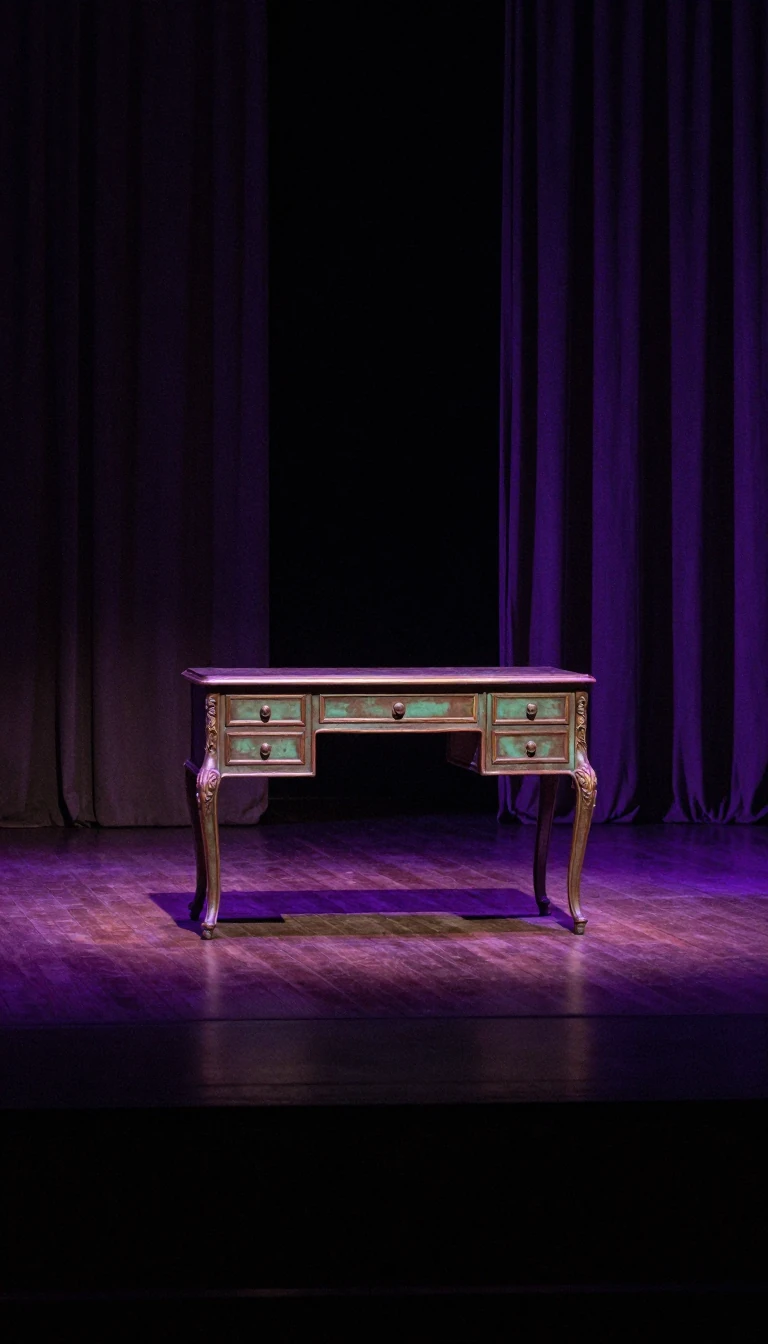
In short: Julie Taymor’s 1999 adaptation of Titus Andronicus isn't your standard historical drama. It blends Ancient Rome with Mussolini’s Italy and motorcycle outriders to create a fractured fantasy world. While it was a box-office failure, its bold visual language has secured it a lasting cult status among critics.
Julie Taymor directed this feature debut as a co-production between Italy, the UK, and the US. Rather than sticking to strict historical accuracy, she crafted an 'anachronistic fantasy world.' The film features a Roman Empire that feels like it survived into the modern era, utilizing imagery from various periods including Fascist architecture. This stylistic choice is anchored by a framing device: a young boy in a 1950s-style kitchen who is transported to an amphitheater where he watches the story unfold as 'Young Lucius.'
The narrative follows the brutal downfall of Titus, a Roman general who returns from war with his enemies. The plot is defined by extreme cycles of violence: the mutilation of Lavinia, the execution of sons, and a gruesome revenge involving a human pie. A key symbolic element is the severing of Titus's hand; in Renaissance semiotics, the hand represents political and personal agency. By losing it, Titus loses his power, shifting from a general to a desperate man seeking vengeance through madness.
Despite critical acclaim—including a Best Costume Design nomination at the 72nd Academy Awards—the film was a significant financial failure. It grossed approximately $2.9 million worldwide against an $18 million budget, largely due to a very limited release that saw it in as few as two theaters during its opening weekend. Critics remain divided; while some found it too long for general entertainment, others praised it as the 'magnificently cracked' high-camp masterpiece Shakespeare’s most violent play deserves.
The film concludes with a unique tonal shift compared to other adaptations. While Taymor's stage version ends on a grim note regarding an infant in a coffin, the film features Young Lucius carrying the child away into the sunrise as he reverts back to his own era. This suggests a move toward a more positive resolution for the cycle of violence that consumes the adult characters.
Opens the Intellect+ feed with this card first. Swipe up for the next one.
Sources
- Summary by Intellect · source: Titus (film)
To cite this card, link to https://intellectplus.co.uk/app/art-titus-film.
How we source, check and correct cards: Editorial standards.
General information, not professional advice. Spotted an error? Flag the card or see corrections and complaints.
Intellect Plus is a visual educational discovery platform for exploring fascinating facts and ideas. Brain Food, Not Brain Rot. What is Intellect Plus?
Related
More in UK & Ireland: arts · More in Art · Latest · A–Z · All topics
