Was Marco Polo’s famous travelogue a masterpiece of observation or a collection of tall tales?
In short: Marco Polo’s legendary account of Asia, dictated while imprisoned in Genoa, has sparked centuries of debate. While some critics dismissed it as a work of fiction, modern scholars increasingly view it as a remarkably authentic, if occasionally embellished, record of a traveler who served the court of Kublai Khan.
Written around 1298–1299 by the romance writer Rustichello da Pisa, the book—variously titled Il Milione or The Book of the Marvels of the World—was born from oral accounts provided by Marco Polo during their shared imprisonment. Rustichello, a professional writer of Arthurian romances, likely applied his own literary style to the narrative, even lifting specific phrasing from his earlier works to describe the Mongol court. This collaboration, combined with the fact that the original manuscripts are lost, has fueled centuries of skepticism regarding the book's accuracy.
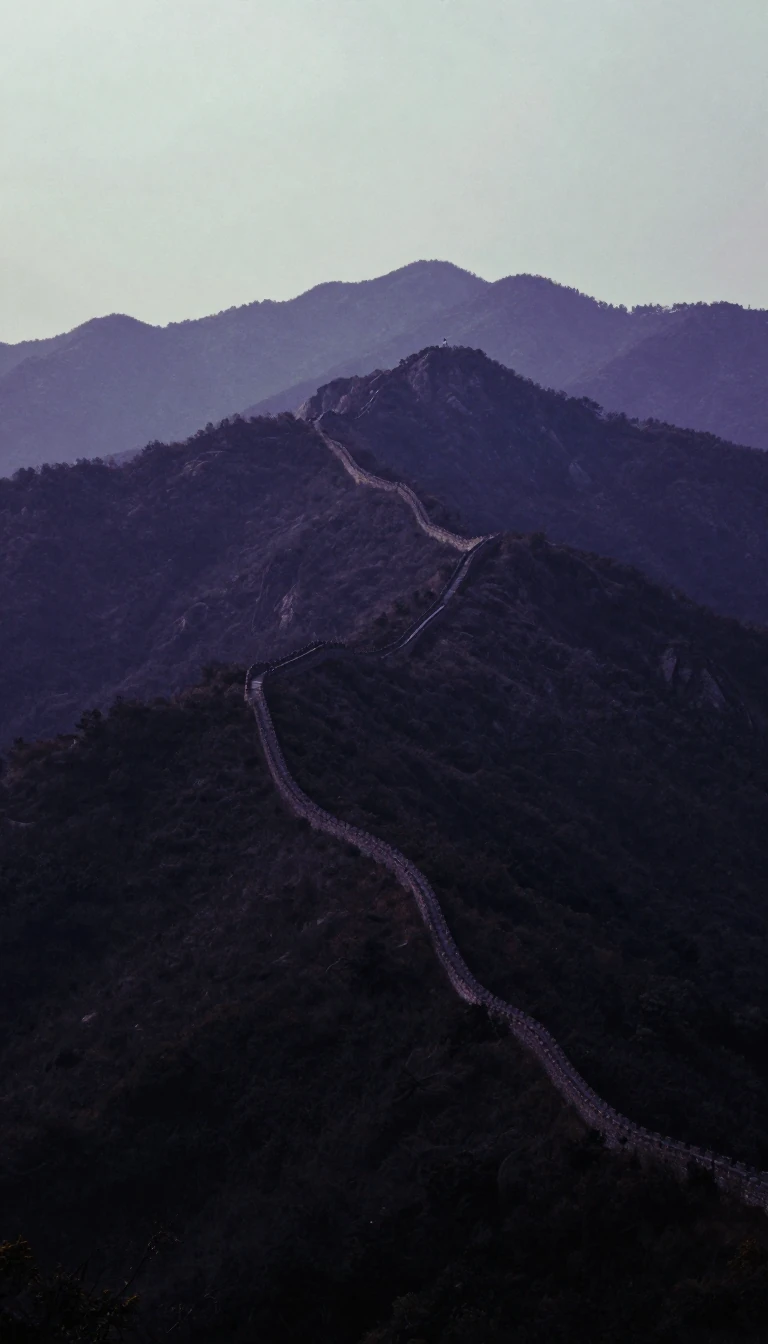
Skeptics have long pointed to Polo’s failure to mention iconic Chinese features like tea, chopsticks, or the Great Wall. However, historians like Stephen G. Haw argue these omissions are logical: the Great Wall as we know it was largely a Ming-era structure built centuries later, and other contemporary travelers similarly failed to note it. Furthermore, recent research by Hans Ulrich Vogel provides compelling evidence for Polo’s presence in China, citing his uniquely accurate descriptions of paper currency, salt production, and regional revenue systems—details that would have been impossible for a mere armchair traveler to fabricate.
While Polo’s work is significantly more grounded than the fantastical accounts of his contemporaries—who often filled their pages with dog-headed monsters and pygmies—it remains a complex historical artifact. The text exists in about 150 surviving copies across various languages, each with distinct variations introduced through centuries of manual transcription. Today, scholars generally agree that while Rustichello may have added a layer of romantic flair to satisfy medieval European expectations, the core of Polo’s narrative offers a serious, trustworthy witness to the Mongol Empire.
Opens the Intellect+ feed with this card first. Swipe up for the next one.
Sources
- Summary by Intellect · source: The Travels of Marco Polo
- Also: Art Institute of Chicago — The Traveler · CC0 (data); description CC BY 4.0
To cite this card, link to https://intellectplus.co.uk/app/art-the-travels-of-marco-polo.
How we source, check and correct cards: Editorial standards.
General information, not professional advice. Spotted an error? Flag the card or see corrections and complaints.
Intellect Plus is a visual educational discovery platform for exploring fascinating facts and ideas. Brain Food, Not Brain Rot. What is Intellect Plus?
Related
More in Literature · More in Art · Latest · A–Z · All topics
