Why does a bank clerk die like a dog in Kafka's unfinished masterpiece?
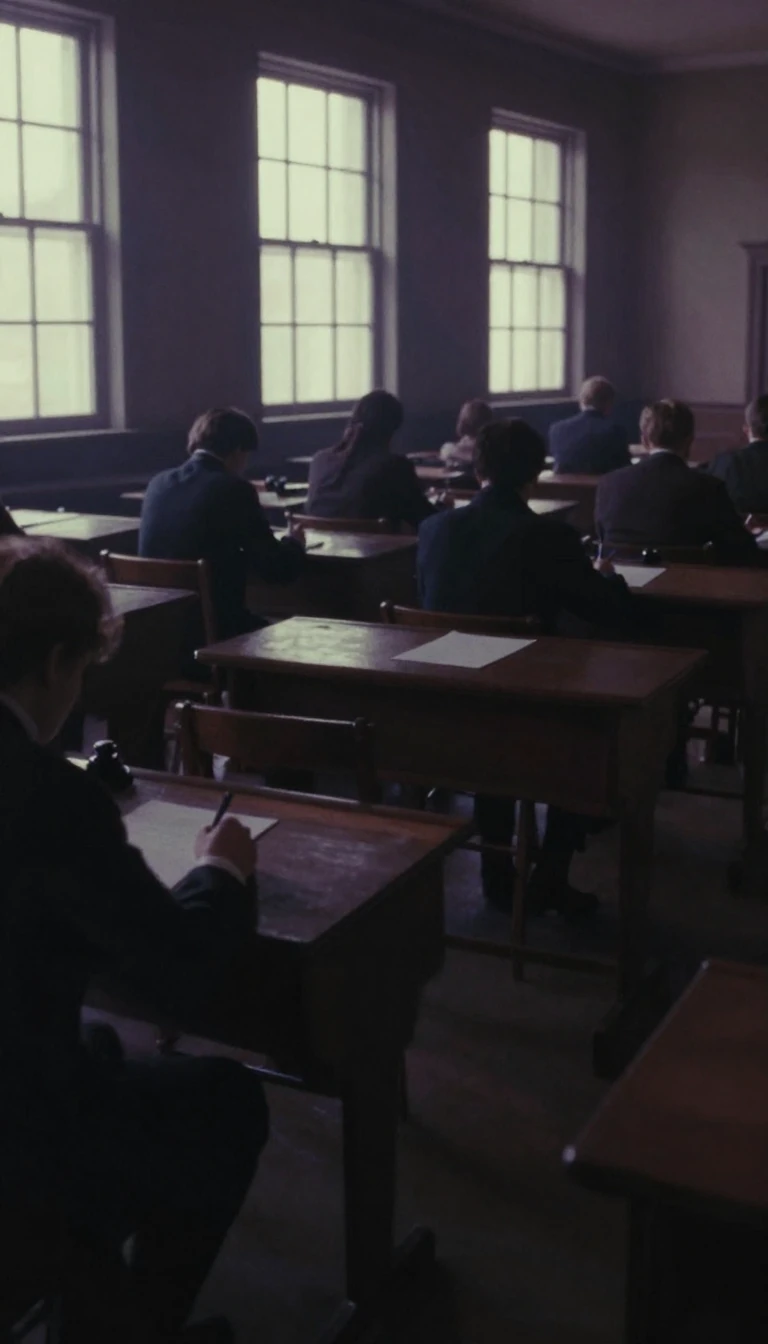
In short: Josef K. is arrested on his thirtieth birthday for a crime that is never named. He spends his final year navigating an absurd, labyrinthine legal system that defies logic. Kafka never finished the novel, leaving behind a haunting, fragmented vision of modern alienation that continues to unsettle readers today.
Franz Kafka wrote The Trial between 1914 and 1915, a period of intense productivity despite the pressures of World War I and his insurance job. The manuscript was never completed; it consisted of 161 loose, unorganized pages that Kafka’s friend and executor, Max Brod, assembled after the author's death in 1924. Because the original order of chapters remains unknown, Kafka’s final vision for the narrative is lost to history.
The story follows Josef K., a chief bank clerk who is suddenly arrested by two agents from an unidentified agency. Although he remains free to live his life, he becomes increasingly consumed by his mysterious case. He encounters a series of bizarre figures, including a bedridden lawyer named Huld, a court painter named Titorelli, and a fellow defendant named Rudi Block, whose life has been ruined by five years of litigation. Throughout the ordeal, K. is never told the nature of his crime, and his attempts to defend himself only lead to further frustration.
The novel’s power lies in its depiction of a bureaucratic nightmare where justice is inaccessible and acquittal is impossible. In the final chapter, K. is executed on the eve of his thirty-first birthday, stabbed in the heart in a quarry outside the city. His final words, "Like a dog!", capture the profound sense of shame and dehumanization that defines his struggle. Since its posthumous publication in 1925, the work has inspired countless adaptations, from operas and films to stage plays, cementing its status as a cornerstone of twentieth-century literature.
Opens the Intellect+ feed with this card first. Swipe up for the next one.
Sources
- Summary by Intellect · source: The Trial
- Also: Art Institute of Chicago — The Trial · CC0 (data); description CC BY 4.0
- Also: Art Institute of Chicago — The Trial · CC0 (data); description CC BY 4.0
To cite this card, link to https://intellectplus.co.uk/app/art-the-trial.
How we source, check and correct cards: Editorial standards.
General information, not professional advice. Spotted an error? Flag the card or see corrections and complaints.
Intellect Plus is a visual educational discovery platform for exploring fascinating facts and ideas. Brain Food, Not Brain Rot. What is Intellect Plus?
Related
More in Literature · More in Art · Latest · A–Z · All topics
