Was the ugly duckling a metaphor for secret royal blood or just personal trauma?
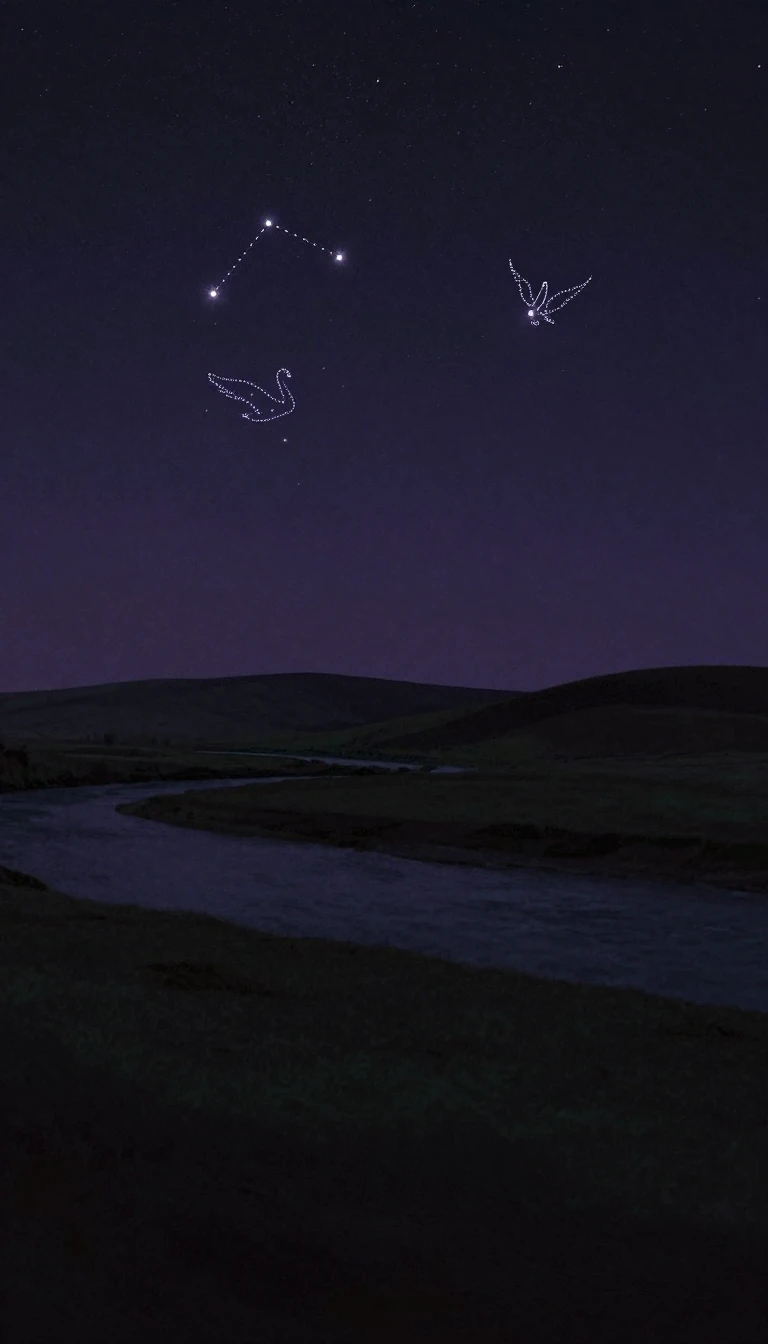
In short: Hans Christian Andersen’s 1843 fairy tale is more than a story about a bird finding its flock. While it celebrates inner beauty, scholars suggest it may reflect the author’s own painful childhood or even a hidden, royal lineage. Explore how this simple narrative became a global cultural touchstone.
First published in Copenhagen on 11 November 1843, Hans Christian Andersen’s The Ugly Duckling remains one of literature’s most enduring tales. The narrative follows a creature born into a duck family who is relentlessly mocked for his appearance. After enduring a winter of isolation and abuse, the protagonist eventually discovers his true identity: he is not a duck, but a beautiful cygnet who belongs among the swans.
The story’s resonance is often linked to Andersen’s own life. Biographer Jens Andersen notes that the author was a tall, awkward child with large feet and a prominent nose, frequently teased for his appearance. Some historians propose a more radical interpretation: that the swan serves as a metaphor for secret royal heritage. Speculation exists that Andersen believed he was the illegitimate son of Prince Christian Frederik, who later became King Christian VIII of Denmark.
Beyond its biographical roots, the tale has been reinterpreted across nearly every medium. From Walt Disney’s 1939 Academy Award-winning animated short to Sergei Prokofiev’s 1914 musical composition, the story has been adapted to explore themes of social exclusion and identity. While the original tale emphasizes a long, arduous journey toward self-discovery, other versions—such as the Fleischer brothers' 1936 film The Little Stranger—subvert the narrative entirely by reversing the roles of the outsider.
The story’s influence even extends into philosophical logic through the 'ugly duckling theorem,' which argues that classification is impossible without inherent bias. Whether viewed as a personal allegory for Andersen’s struggles, a commentary on social snobbery, or a philosophical puzzle, the tale continues to evolve. It remains a testament to the idea that the 'ugly' outsider may simply be waiting for the right environment to reveal their true nature.
Opens the Intellect+ feed with this card first. Swipe up for the next one.
Sources
- Summary by Intellect · source: The Ugly Duckling
- Also: Art Institute of Chicago — It is Old and Ugly..., from Le Carnaval à Paris · CC0 (data); description CC BY 4.0
To cite this card, link to https://intellectplus.co.uk/app/art-the-ugly-duckling.
How we source, check and correct cards: Editorial standards.
General information, not professional advice. Spotted an error? Flag the card or see corrections and complaints.
Intellect Plus is a visual educational discovery platform for exploring fascinating facts and ideas. Brain Food, Not Brain Rot. What is Intellect Plus?
Related
More in Literature · More in Art · Latest · A–Z · All topics
