Why does the absence of life's burdens make our existence feel less real?
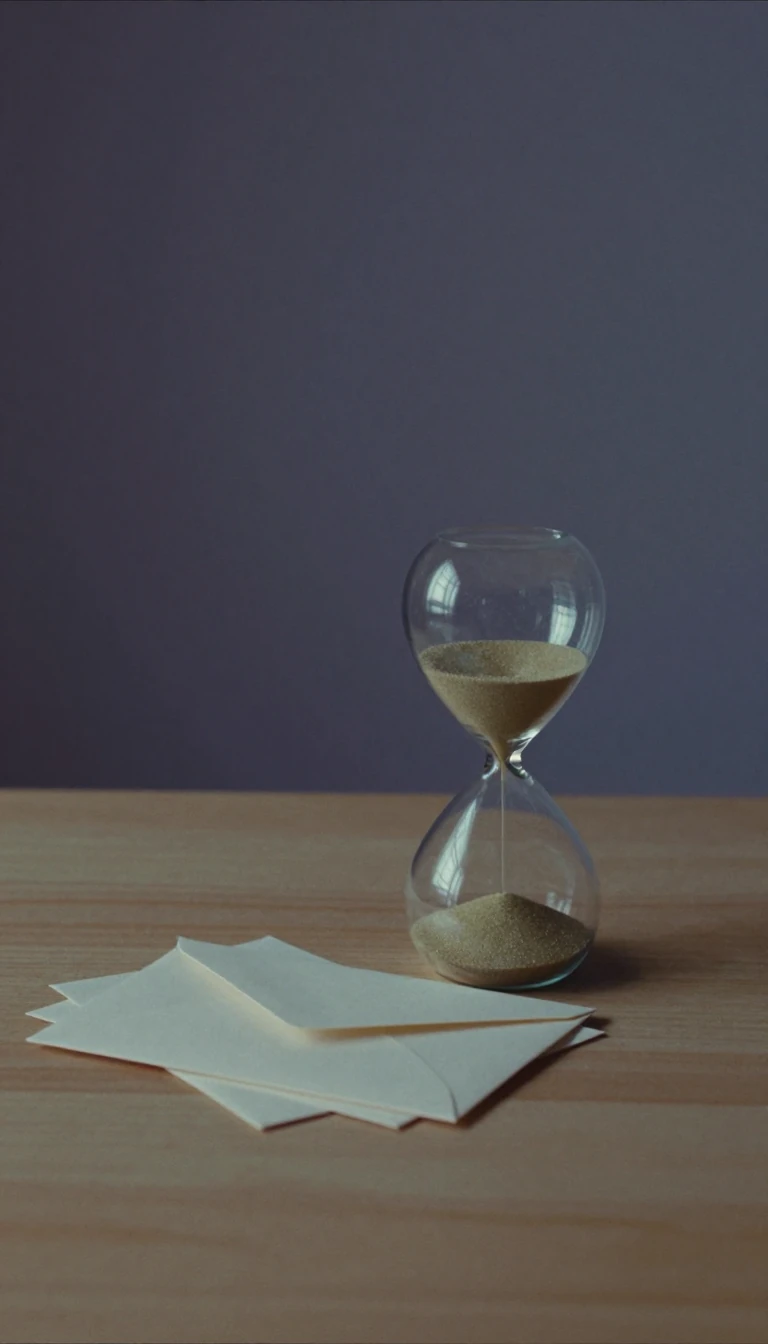
In short: Milan Kundera’s 1984 novel explores a haunting philosophical question: if we only live once, is our existence significant or merely weightless? By contrasting the heavy burden of commitment with the absolute freedom of detachment, the story challenges the concept of eternal recurrence and the meaning of our choices.
At the heart of the novel lies a tension between weight and lightness. Kundera posits that if life occurs only once, it lacks the gravity of repetition. This 'lightness' offers freedom but risks rendering human actions insignificant. Conversely, the 'heaviness' of life—the burdens we struggle with—anchors us to the earth, making our experiences feel more real and truthful. This dichotomy is explored through the lives of Tomáš, a surgeon who embraces detachment, and Tereza, who finds herself weighed down by her devotion to him.
The narrative is set against the backdrop of the 1968 Prague Spring and the subsequent Soviet invasion. Tomáš initially views his sexual encounters as a philosophy of lightness, separating physical desire from love. However, his journey involves overcoming the cognitive distortion that because life happens only once, decisions cannot be tested or compared. Through his eventual commitment to Tereza and their move to the countryside, the novel suggests that choosing a burden can be a path to genuine happiness, ultimately resolving the conflict between his desire for independence and his need for connection.
The characters of Sabina and Franz provide further nuance. Sabina, a painter, embodies extreme lightness, finding satisfaction in betrayal and rejecting the constraints of her past. Franz, an idealist academic, seeks meaning through loyalty and protest, eventually dying for his convictions. Their stories, alongside the tragic end of Tomáš and Tereza in a car accident, emphasize the fragility of life. Kundera’s work remains a profound meditation on whether we should choose the lightness of freedom or the weight of a life lived with purpose.
Opens the Intellect+ feed with this card first. Swipe up for the next one.
Sources
- Summary by Intellect · source: The Unbearable Lightness of Being
To cite this card, link to https://intellectplus.co.uk/app/art-the-unbearable-lightness-of-being.
How we source, check and correct cards: Editorial standards.
General information, not professional advice. Spotted an error? Flag the card or see corrections and complaints.
Intellect Plus is a visual educational discovery platform for exploring fascinating facts and ideas. Brain Food, Not Brain Rot. What is Intellect Plus?
Related
More in Literature · More in Art · Latest · A–Z · All topics
