Tilda Swinton: The Scottish Noblewoman Who Redefined the Boundaries of Modern Cinematic Performance
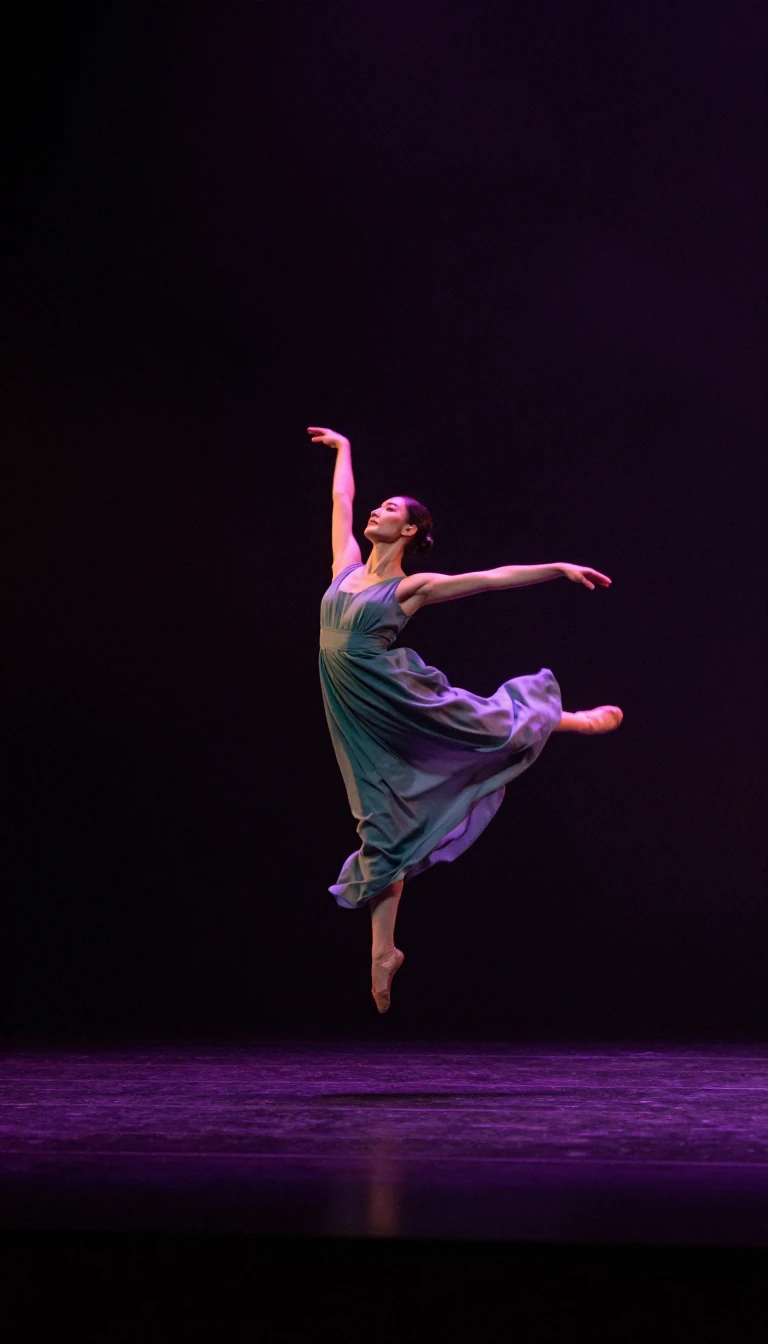
In short: Born into an ancient Scottish lineage, Tilda Swinton has spent decades dismantling the traditional boundaries of acting. From her early improvisational work with Derek Jarman to her Oscar-winning turn in Michael Clayton, she has cultivated a career defined by gender fluidity, avant-garde aesthetics, and a refusal to be categorized.
Born in London in 1960, Swinton’s background is rooted in Scottish nobility, with a family history tracing back to the 9th century. Her father, a major general, led the queen’s Household Division, yet Swinton’s path diverged sharply from such conventional expectations. After graduating from the University of Cambridge in 1983, she gravitated toward the experimental fringes of the arts, performing with the Traverse Theatre and the Royal Shakespeare Company before entering cinema in 1985.
Her cinematic debut in Derek Jarman’s 1986 film Caravaggio marked the beginning of a long, transformative collaboration. During this period, she resisted the label of actor, preferring to view her work as an unstudied, improvisational practice. This philosophy culminated in her breakthrough role in the 1992 adaptation of Virginia Woolf’s Orlando. By portraying a character who shifts gender over four centuries, Swinton explored the fluidity of identity, a theme that would become a hallmark of her artistic output.
Swinton’s career is a deliberate oscillation between high-concept independent cinema and mainstream blockbusters. She has portrayed everything from the White Witch in The Chronicles of Narnia to a corporate lawyer in the 2007 thriller Michael Clayton, a performance that earned her an Academy Award for best supporting actress. Her aesthetic sensibilities have also led her to collaborate with visionary directors like Jim Jarmusch, Luca Guadagnino, and Wes Anderson, while her performance art—such as sleeping in a glass case for the installation The Maybe—further cements her status as a singular figure in contemporary culture.
Beyond the screen, Swinton remains a dedicated curator and fashion icon, known for her avant-garde style. Whether she is appearing in superhero epics or intimate dramas like The Room Next Door, her work consistently challenges the viewer’s perception of what a performer can be. By embracing the limitlessness of androgynous gestures and rejecting the dull categorization of her craft, she has established herself as one of the most versatile and influential actors of the 21st century.
Opens the Intellect+ feed with this card first. Swipe up for the next one.
Sources
- Summary by Intellect · source: Tilda Swinton | Biography, Movies, & Facts | Britannica
- Also: Tilda Swinton
To cite this card, link to https://intellectplus.co.uk/app/art-tilda-swinton.
How we source, check and correct cards: Editorial standards.
General information, not professional advice. Spotted an error? Flag the card or see corrections and complaints.
Intellect Plus is a visual educational discovery platform for exploring fascinating facts and ideas. Brain Food, Not Brain Rot. What is Intellect Plus?
Related
More in Entertainers · More in Art · Latest · A–Z · All topics
