Once a royal residence, Whitehall is now the beating heart of British political power.
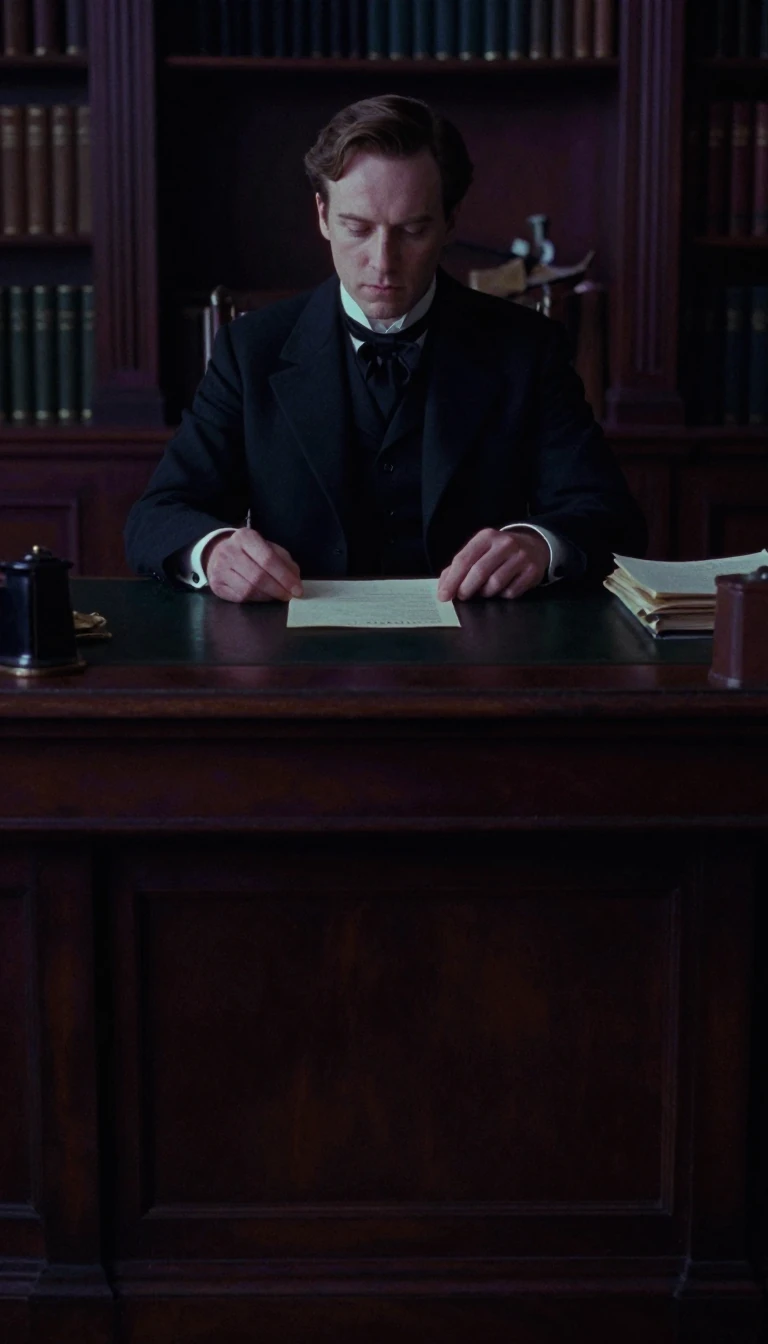
In short: Before it became the metonym for the British civil service, Whitehall was a sprawling royal palace where Henry VIII lived and died. Today, this short London thoroughfare serves as the nerve center for the United Kingdom's government, housing ministries, war memorials, and the site of a king's execution.
The street’s identity shifted dramatically after the Palace of Whitehall, which served as the primary royal residence from the reign of Henry VIII until 1689, was destroyed by an accidental fire in 1698. Only the Banqueting House, designed by Inigo Jones in 1622, survived the blaze. This building holds a grim place in history as the site where Charles I was executed in 1649, having been led through the street on his way to trial at Westminster Hall.
As the monarchy moved to Kensington Palace, the area transitioned into a hub for state administration. By the 19th century, as private residential leases expired, the Crown repurposed the land for public offices. Today, the street is lined with critical institutions, including the Ministry of Defence, the Cabinet Office, and the Foreign Office. This concentration of power has made the name 'Whitehall' a shorthand for the British civil service itself, physically and symbolically separated from the monarch at St James's Palace.
Beyond its administrative role, Whitehall is a landscape of memory and security. It hosts the Cenotaph, the UK's primary war memorial, and numerous statues of military leaders like Field Marshal Montgomery and Earl Haig. The street has also been a target for political violence, including IRA attacks in 1973 and 1991, leading to modern security measures like steel barriers and restricted access to Downing Street. Despite its heavy political atmosphere, the area retains cultural echoes of its past, from the site of the former Whitehall Theatre to its depiction in art by Wenceslaus Hollar in the 17th century.
Opens the Intellect+ feed with this card first. Swipe up for the next one.
Sources
- Summary by Intellect · source: Whitehall
- Also: Whitehall from the River
- Also: View of Lambeth Palace from the River at Whitehall Stairs
To cite this card, link to https://intellectplus.co.uk/app/art-whitehall.
How we source, check and correct cards: Editorial standards.
General information, not professional advice. Spotted an error? Flag the card or see corrections and complaints.
Intellect Plus is a visual educational discovery platform for exploring fascinating facts and ideas. Brain Food, Not Brain Rot. What is Intellect Plus?
Related
More in UK & Ireland: arts · More in Art · Latest · A–Z · All topics
