Why the original Viennese waltz was once considered a moral threat to society
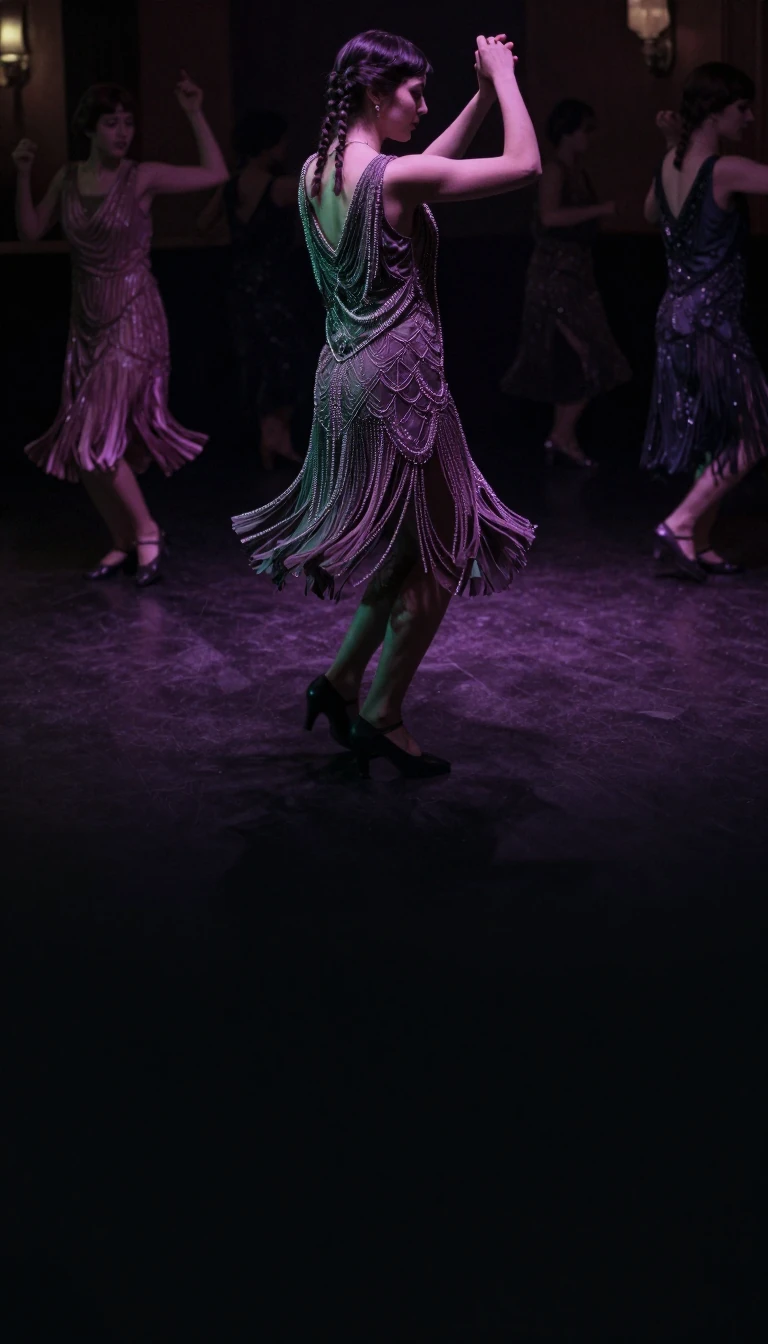
In short: Before it became a ballroom staple, the waltz was a scandalous innovation that broke centuries of dance tradition. By shifting from communal patterns to independent, close-contact couples, it sparked outrage among critics who feared it would weaken the body and mind of an entire generation of dancers.
Emerging in late 18th-century Austria from the Ländler and German dance, the waltz fundamentally altered European social life. Before its arrival, social dancing was communal; participants followed preset patterns directed by a master of ceremonies, facing outward toward onlookers. The waltz introduced a radical shift: couples became independent units, turning toward one another. This intimacy, combined with the necessity of holding long gowns close to the body to avoid tripping, drew sharp moral condemnation.
Critics were vocal and severe. In 1797, a pamphlet by Wolf warned that waltzing caused physical and mental decline. Even Lord Byron famously disparaged the dance, comparing couples to insects pinned together on a needle. Despite this backlash, the dance flourished in Vienna. By the early 19th century, massive venues like the Apollo and Zum Sperl were constructed to accommodate thousands of dancers, cementing the waltz’s popularity. It reached England by 1812, where it gained further momentum through the Congress of Vienna and the iconic compositions of the Strauss family and Josef Lanner.
Technically, the original waltz differed significantly from modern versions. Early dancers utilized arm positions derived from precursor dances, often intertwining arms or circling under them rather than maintaining a strict closed hold. Feet were turned out, and the vertical rise of the foot was much more pronounced than in contemporary styles. Today, the Viennese waltz is defined by its rapid tempo—roughly 180 beats per minute—and its rotary nature. While modern competitive styles like the International and American versions incorporate various figures, a traditional Viennese waltz consists strictly of continuous turns and change steps.
Opens the Intellect+ feed with this card first. Swipe up for the next one.
Sources
- Summary by Intellect · source: Viennese waltz
To cite this card, link to https://intellectplus.co.uk/app/art-viennese-waltz.
How we source, check and correct cards: Editorial standards.
General information, not professional advice. Spotted an error? Flag the card or see corrections and complaints.
Intellect Plus is a visual educational discovery platform for exploring fascinating facts and ideas. Brain Food, Not Brain Rot. What is Intellect Plus?
Related
More in Performing arts · More in Art · Latest · A–Z · All topics
