Voice acting is more than just talking; it is a complex, evolving global craft.
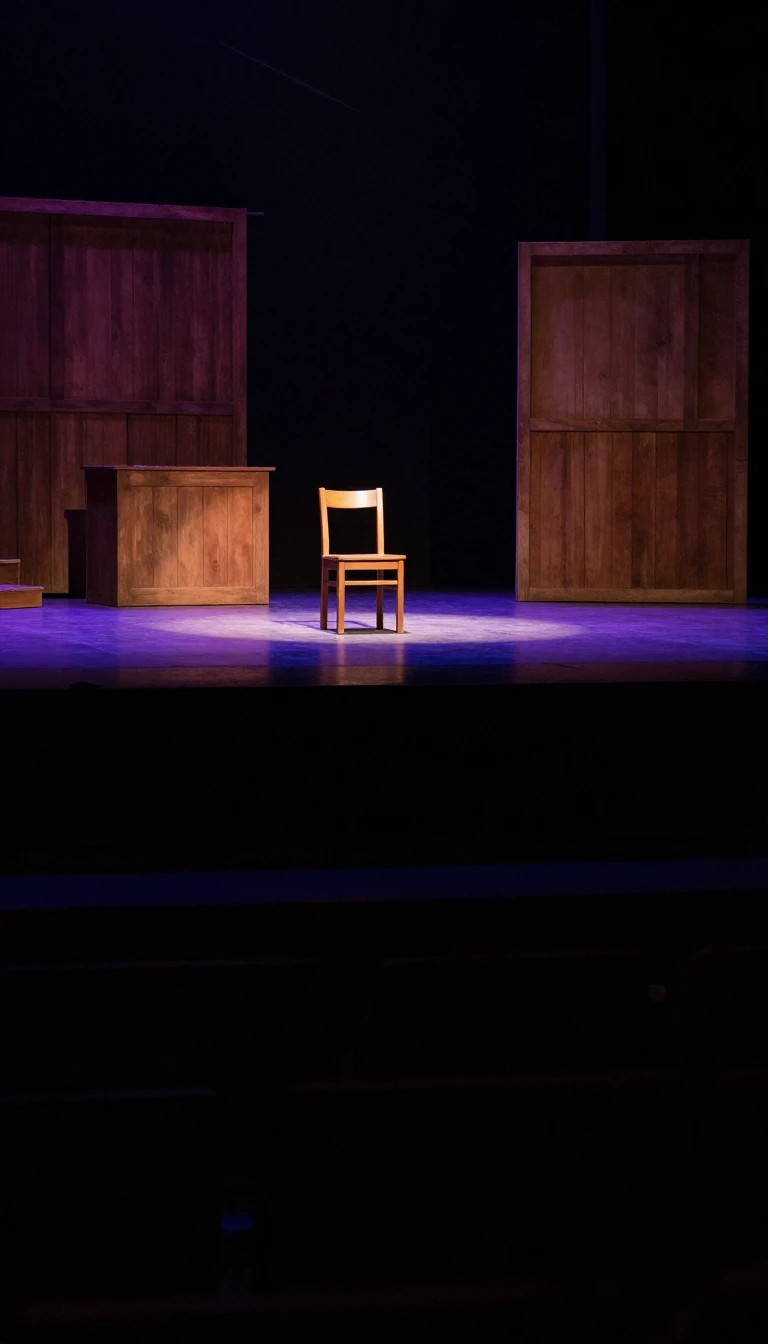
In short: From the nuanced delivery of a radio drama to the technical precision of automated announcements, voice acting shapes how we consume information and entertainment. While it remains a specialized dramatic profession, the rise of AI-generated audio is now forcing a reckoning over creative control, labor rights, and the nature of authenticity.
Voice acting encompasses far more than character work in animation or video games. It is a vital component of modern infrastructure, powering everything from public transport announcements to the automated systems of speaking clocks. In the United Kingdom, the profession is deeply rooted in the history of BBC Radio drama, while in Japan, voice actors—known as seiyū—often command massive fan bases, frequently branching into music and character-driven side projects. The craft is highly adaptable, ranging from the flat, narrow inflection patterns used in television commercials to the wide, expressive styles often found in local radio advertising.
The technical side of the industry is equally diverse. Techniques like automated dialogue replacement, or 'looping,' allow actors to refine performances or improve audio quality long after filming concludes. In other regions, such as Iran, voice acting has historically filled gaps left by limited on-set recording technology, evolving into a robust industry for dubbing foreign films. Meanwhile, the practice of 'de-breathing'—once exclusive to commercial advertising to ensure a clean, distraction-free message—has become a standard expectation across many different genres of voice performance.
The industry is currently facing a significant disruption from AI-generated and synthetic voices. Since the late 2010s, software capable of mimicking human speech has gained traction, leading to high-profile controversies. In 2023, the SAG-AFTRA strike highlighted deep industry concerns regarding the regulation of AI and the protection of actors' livelihoods. Despite attempts at compromise, such as the deal between SAG-AFTRA and Replica Studios, many prominent performers remain critical of the lack of safeguards. These technologies also pose broader societal risks, as demonstrated by the emergence of audio deepfakes used to manipulate public perception of political figures in the UK, Slovakia, and the United States.
Opens the Intellect+ feed with this card first. Swipe up for the next one.
Sources
- Summary by Intellect · source: Voice acting
To cite this card, link to https://intellectplus.co.uk/app/art-voice-acting.
How we source, check and correct cards: Editorial standards.
General information, not professional advice. Spotted an error? Flag the card or see corrections and complaints.
Intellect Plus is a visual educational discovery platform for exploring fascinating facts and ideas. Brain Food, Not Brain Rot. What is Intellect Plus?
Related
More in Performing arts · More in Art · Latest · A–Z · All topics
