How a humble rural folk art became China's second most popular opera genre.
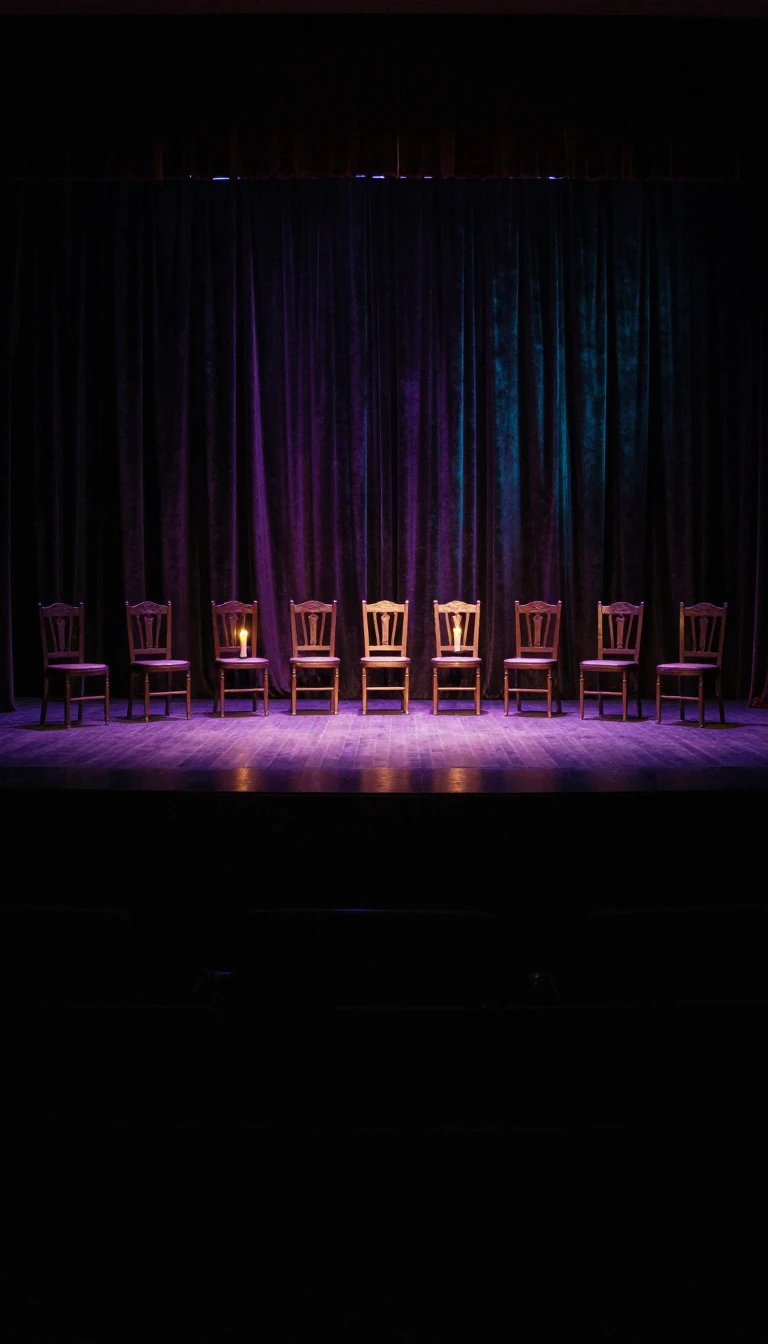
In short: Born from the songs of farmers in 1906, Yue opera transformed from a mobile, rustic performance into a sophisticated, female-dominated art form. By blending regional ballads with elements of Western drama and Peking opera, it conquered Shanghai’s theaters and survived decades of political upheaval to become a national treasure.
Yue opera, or Shaoxing opera, began in Shengzhou, Zhejiang Province, as a simple folk entertainment. Initially called 'Small Tunes and Songs Troupes,' these early performances were mobile, relying on sparse instrumentation like drums and wooden clappers. Because the performers were often peasants working between agricultural seasons, they used plain, vernacular language that resonated deeply with local populations. By 1906, these disparate story-singers were encouraged to form joint productions, marking the genre's formal birth.
The art form underwent a radical evolution in the 1920s and 1930s. Seeking to compete in the affluent Shanghai market, performers like Wang Jinshui (1879–1944) refined the singing style and introduced new instruments like the erhu. A pivotal shift occurred in 1923 when Wang established the first all-girls opera class. Despite the low social status of performers at the time, the female-centric model flourished; by the early 1930s, Zhejiang Province hosted approximately two hundred female classes with two thousand students. This transition was driven by both economic necessity—following the 1929 Wall Street crash—and the aesthetic realization that the genre’s tender, gentle features were uniquely suited to women.
During the Second Sino-Japanese War, Yue opera underwent further modernization. Performers integrated influences from Western film, literature, and the New Culture Movement, shifting from a scene-plot system to a director-centered approach that prioritized psychological depth. While the genre reached a pinnacle of popularity in the late 1950s and early 1960s, it faced severe setbacks during the Cultural Revolution when traditional performances were outlawed. Today, Yue opera is recognized as national intangible cultural heritage, celebrated for its elegant, soft style and its enduring focus on love stories.
Opens the Intellect+ feed with this card first. Swipe up for the next one.
Sources
- Summary by Intellect · source: Yue opera
To cite this card, link to https://intellectplus.co.uk/app/art-yue-opera.
How we source, check and correct cards: Editorial standards.
General information, not professional advice. Spotted an error? Flag the card or see corrections and complaints.
Intellect Plus is a visual educational discovery platform for exploring fascinating facts and ideas. Brain Food, Not Brain Rot. What is Intellect Plus?
Related
More in Theatre · More in Art · Latest · A–Z · All topics
