The 15th century invented the concept of being 'out of date'
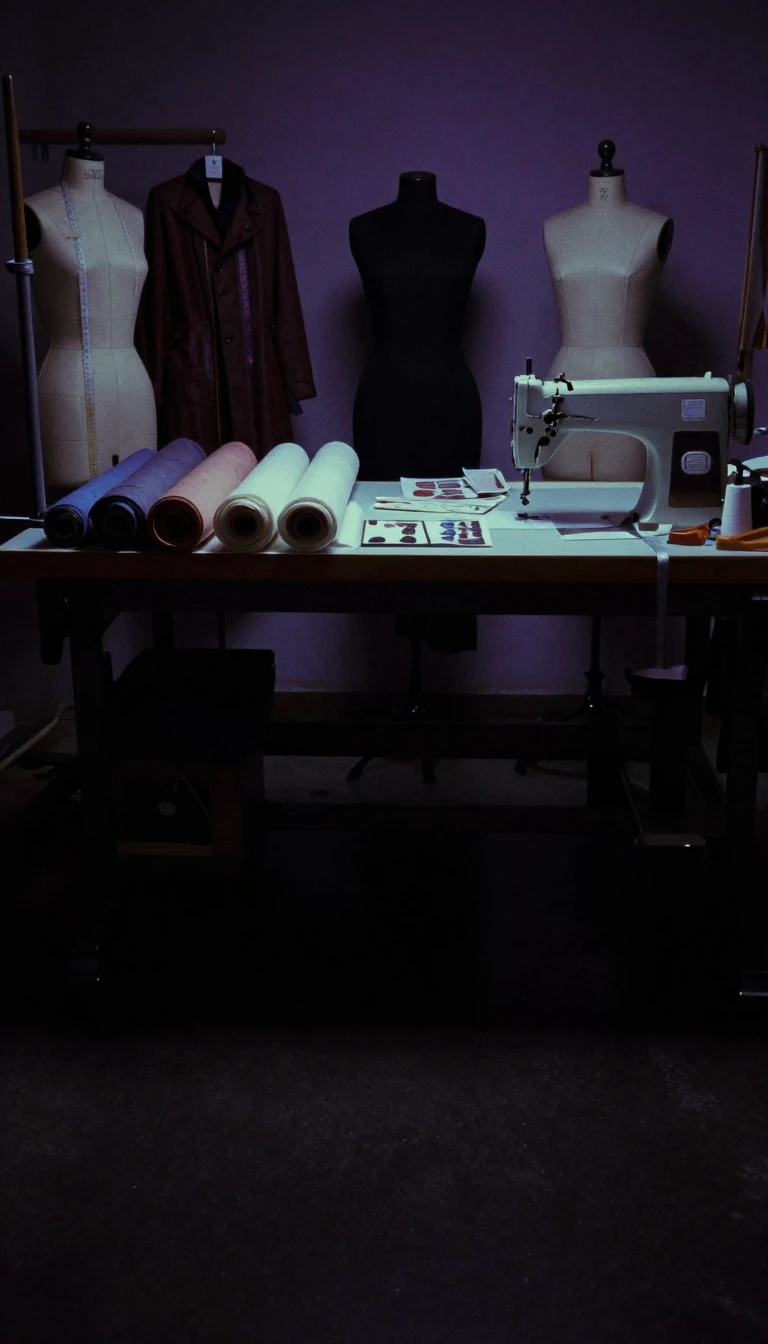
In short: Before the 1400s, clothing was largely functional and static. But as Europe grew wealthier, fashion gained a temporal dimension. For the first time, people could be dated by their attire, transforming being "out of date" into a significant social anxiety for the rising middle class.
During the 15th century, European fashion shifted from static tradition to rapid experimentation. As prosperity increased, the urban middle class began mimicking the complex styles of the elite. This created a new social dynamic where clothing served as a chronological marker; staying current became a necessity for status. Regional variety also surged, with distinct national variations emerging across the continent.
The Duchy of Burgundy became the primary engine of this trend under Philip the Good (ruled 1419–1469). The Burgundian court acted as a massive clearinghouse for luxury, importing Italian fabrics and English wool through trading hubs like Bruges. Even in Florence, where sumptuary laws restricted the most luxurious cloths, the high-grade materials remained symbols of immense wealth that contemporaries could easily distinguish.
Technological and artistic innovations also fueled this era. Silk weavers in Italy developed the "pomegranate pattern," a symmetrical vegetal design that dominated European fashion from 1420 to 1550. Meanwhile, the decorative technique of "slashing"—cutting outer garments to reveal bright linings—became a massive fad. While chroniclers attributed it to Swiss soldiers plundering Burgundian nobles in 1476, evidence suggests it was already appearing in German fashion by the mid-15th century.
Gendered silhouettes also underwent radical changes. Women moved from long-waisted styles to high-waisted gowns with fullness over the belly and V-necklines that revealed decorated undergarments like the kirtle. Headwear became architectural, featuring wire-framed veils, cone-shaped hennins, and eventually the stiff gable hood around 1480.
Opens the Intellect+ feed with this card first. Swipe up for the next one.
Sources
- Summary by Intellect · source: 1400–1500 in European fashion
To cite this card, link to https://intellectplus.co.uk/app/culture-1400-1500-in-european-fashion.
How we source, check and correct cards: Editorial standards.
General information, not professional advice. Spotted an error? Flag the card or see corrections and complaints.
Intellect Plus is a visual educational discovery platform for exploring fascinating facts and ideas. Brain Food, Not Brain Rot. What is Intellect Plus?
Related
More in Fashion through the ages · More in Cultures · Latest · A–Z · All topics
