A luxury Manhattan skyscraper is leaning, but it is not the first of its kind.
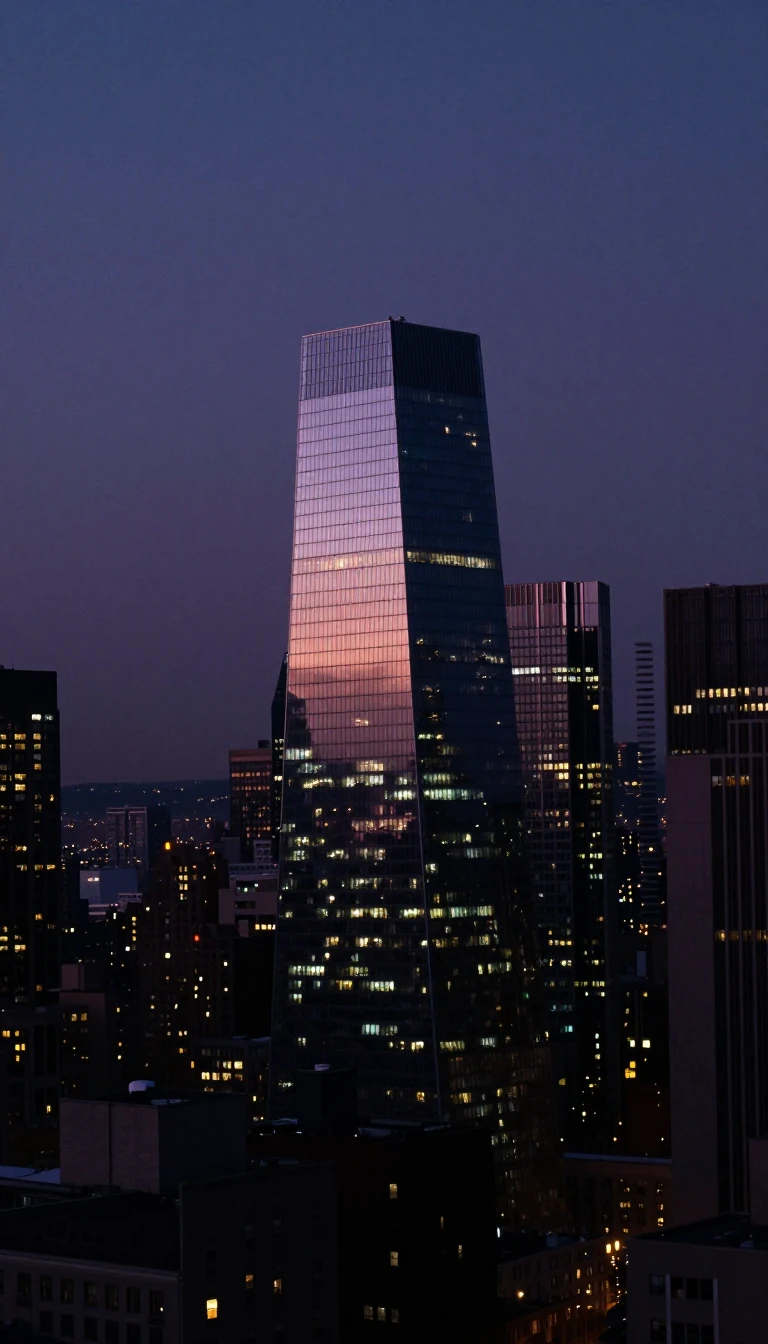
In short: Luxury condo project 1 Seaport was meant to be a crowning achievement on the Manhattan waterfront. Instead, it became a cautionary tale of engineering and ambition. After construction stalled, developers admitted the sixty-story tower was leaning, joining a long, global history of structures that defy gravity by tilting.
The 670-foot skyscraper at 161 Maiden Lane, known as 1 Seaport, was envisioned as a premier residential tower in New York’s financial district. Developed by the Fortis Property Group, which purchased the site for 64 million dollars in 2013, the project aimed to capitalize on the city's booming luxury market. The developers opted for a soil improvement method to strengthen the ground, rather than the deep pilings used by neighboring skyscrapers, reportedly to reduce construction costs by 6 million dollars. This choice proved disastrous, as the building began to settle unevenly, resulting in a noticeable lean to the north.
While the misalignment of the tower's slab edges by up to 8 inches is a modern crisis for buyers and developers, the phenomenon of the leaning tower is ancient. The Tower of Pisa, for instance, began settling unevenly in 1178, yet construction continued for two centuries. Similarly, the minaret of the Great Mosque of al-Nuri in Mosul was affectionately called al-Hadba, or the hunchback, for its distinct curve. In some cases, such as the Leaning Temple of Huma in India, the tilt is a feature that has drawn pilgrims for centuries, though the specific reasons for its orientation remain a mystery.
Modern architects have occasionally embraced the aesthetic of the slant, as seen in Colombo’s Altair towers or the 18-degree incline of Abu Dhabi’s Capital Gate. However, these intentional designs lack the accidental, human quality of structures that have gone off-kilter due to the realities of the earth beneath them. The site at 161 Maiden Lane, reclaimed from the East River in the 17th century using debris and fill, sits far above the bedrock found in midtown. This history of land reclamation, combined with the decision to forgo deep pilings, left the tower vulnerable to the very ground it stands upon.
For the buyers who signed contracts as early as 2017, the reality of the lean has been a source of legal and financial frustration. Despite the promise of luxury amenities and a prime location, the project remains incomplete, caught in a web of litigation involving the developers and contractors. The tower stands as a testament to the risks of real estate development and the unpredictable nature of building on Manhattan’s shifting, historic soil.
Opens the Intellect+ feed with this card first. Swipe up for the next one.
Sources
- Summary by Intellect · source: The Leaning Tower of New York | The New Yorker
- Also: 161 Maiden Lane
To cite this card, link to https://intellectplus.co.uk/app/culture-161-maiden-lane.
How we source, check and correct cards: Editorial standards.
General information, not professional advice. Spotted an error? Flag the card or see corrections and complaints.
Intellect Plus is a visual educational discovery platform for exploring fascinating facts and ideas. Brain Food, Not Brain Rot. What is Intellect Plus?
Related
More in Traditions & customs · More in Cultures · Latest · A–Z · All topics
