The Brooklyn skyscraper that grew around a historic marble bank
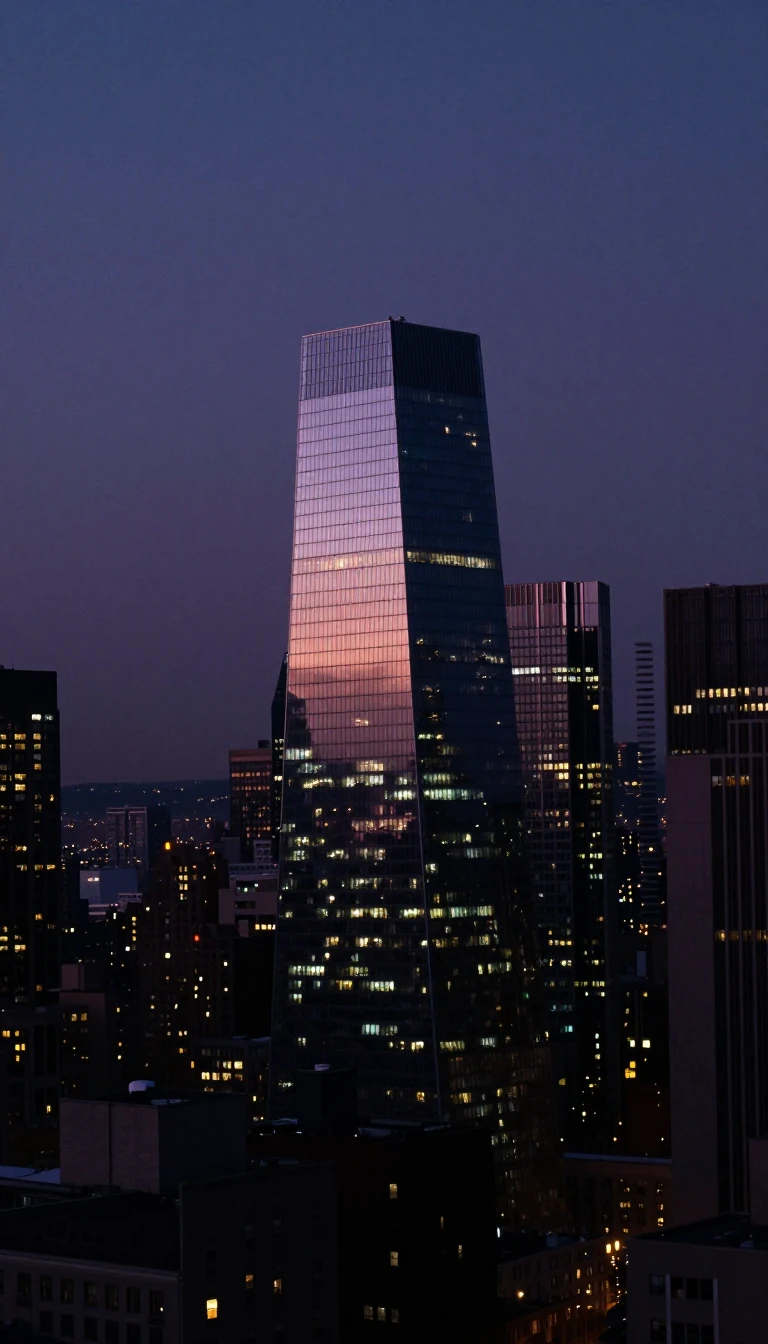
In short: Standing 1,035 feet tall, the Brooklyn Tower is the borough's first supertall landmark. Yet, its most striking feature isn't its modern glass facade, but the 1906 Dime Savings Bank Building preserved at its base, creating a massive architectural marriage between Art Deco ambition and Classical Revival history.
Completed in 2022, the Brooklyn Tower is a 74-story residential structure designed by SHoP Architects. It holds the distinction of being the tallest building in Brooklyn and the tallest in New York City outside of Manhattan. The tower's design intentionally references the historic Dime Savings Bank Building, which sits at its base. This landmark, originally built between 1906 and 1908, features a white-marble facade and a smooth marble dome. The skyscraper's hexagonal massing was specifically inspired by the hexagonal shape of the bank's original ground-floor rotunda.
The development is a complex mix of old and new. While the tower provides approximately 425 rental apartments and 150 condominiums, the historic bank building is being repurposed into retail space. The project's scale is immense, encompassing 120,000 square feet of amenities, including a 75-foot-long indoor lap pool and a basketball court on the 66th floor that was advertised as the tallest residential court in the world. The tower's exterior uses stone, bronze, and stainless steel, with vertical mullions designed to create a staggered effect reminiscent of the Chrysler Building.
The tower's history also includes significant financial shifts. Developed by JDS Development Group, the project faced a transition in June 2024 when Silverstein Properties took over the unsold residential units and apartments after the developer defaulted on a loan. Despite these shifts, the structure remains a dominant feature of the Downtown Brooklyn skyline, standing significantly taller than previous borough leaders like 11 Hoyt.
Architecturally, the tower attempts to be 'deferential to the landmark, but not derivative,' according to SHoP principal architect Gregg Pasquarelli. By utilizing a hexagonal shape and a facade that gradually darkens as it rises, the tower creates a visual link to the 1931–1932 expansion of the bank, which added a Corinthian-style rotunda and a three-faced bronze clock.
Opens the Intellect+ feed with this card first. Swipe up for the next one.
Sources
- Summary by Intellect · source: Brooklyn Tower
- Also: Wikidata — Brooklyn Tower · CC0
To cite this card, link to https://intellectplus.co.uk/app/places-brooklyn-tower.
How we source, check and correct cards: Editorial standards.
General information, not professional advice. Spotted an error? Flag the card or see corrections and complaints.
Intellect Plus is a visual educational discovery platform for exploring fascinating facts and ideas. Brain Food, Not Brain Rot. What is Intellect Plus?
Related
More in Famous landmarks · More in Countries & Cities · Latest · A–Z · All topics
