A forgotten B-52 crash in Greenland exposed a secret nuclear reality for Denmark
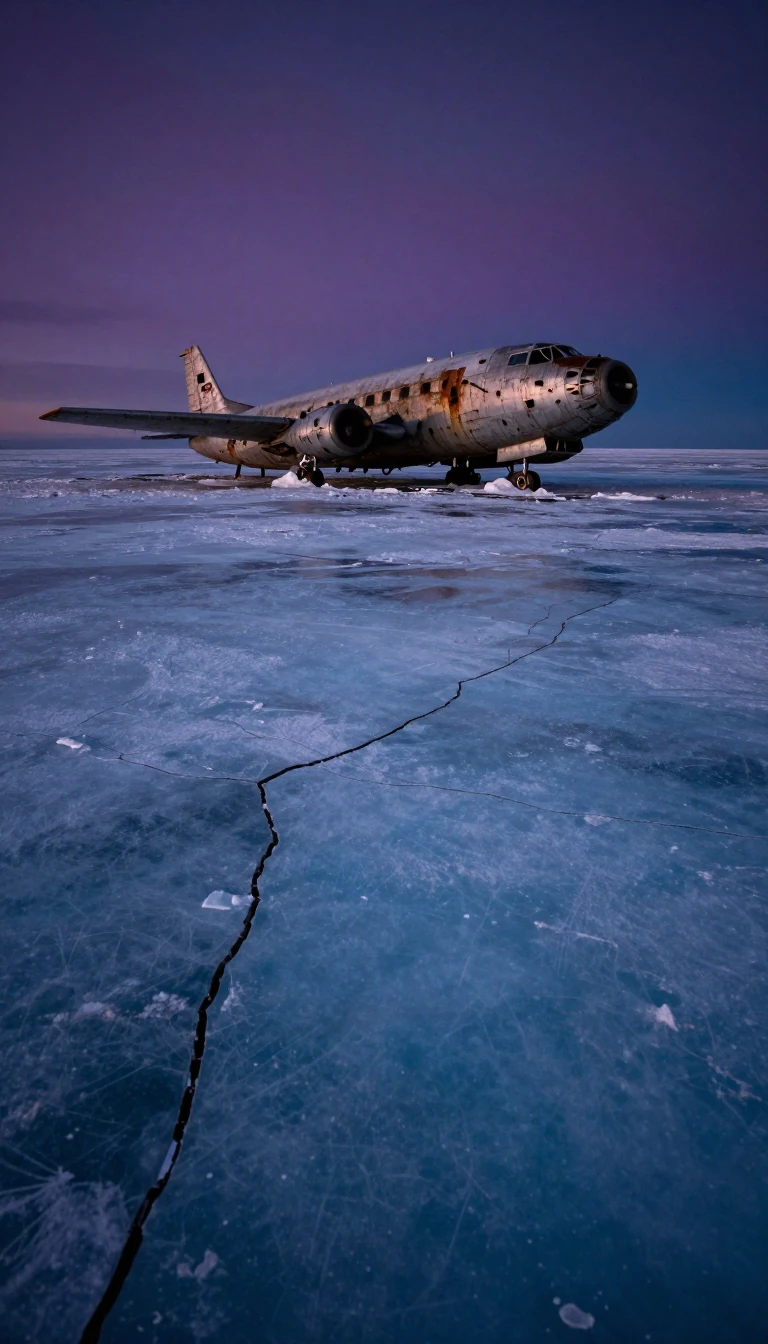
In short: In 1968, a nuclear-armed American bomber crashed onto the sea ice near Thule Air Base, scattering radioactive plutonium across Inuit hunting grounds. The disaster forced a frantic cleanup and triggered a political crisis, revealing that Denmark’s official no-nuclear policy had been quietly bypassed by U.S. strategic operations for years.
The accident occurred on 22 January 1968, when a B-52 bomber on a 'Hard Head' monitoring mission over Thule Air Base caught fire, forcing the crew to eject. The aircraft crashed into the ice of North Star Bay, detonating its conventional explosives and rupturing its nuclear payload. This created an immediate environmental catastrophe, as radioactive plutonium contaminated the icefields where 200 Inuit families hunted for seals, birds, and walruses.
The cleanup, codenamed 'Crested Ice,' became a diplomatic tightrope. While U.S. officials initially considered burying the irradiated debris in the permafrost, Danish scientists demanded 'zero contamination' to protect the local ecosystem from a potentially unpredictable radioactive oil slick. The U.S. eventually agreed to ship the contaminants back to the United States. This operation was complicated by the fact that one nuclear weapon component remained missing underwater, a detail that underscored the risks of the U.S. Strategic Air Command’s (SAC) secret airborne alert missions.
The crash exposed a deep contradiction in Danish policy. Although Denmark maintained a 'no nuclear weapons' stance, declassified documents reveal that the U.S. had received a tacit green light for nuclear deployments in Greenland as early as 1957. The U.S. used the 1951 Defense Agreement to maintain its strategically vital Ballistic Missile Early Warning System (BMEWS) at Thule. Because Washington feared losing this base, it held significant leverage in negotiations, leading to a secret agreement that preserved Denmark’s non-nuclear status while allowing the U.S. to resume nuclear-armed overflights during national security emergencies.
The incident remains a landmark in Cold War history, highlighting how military necessity often operated beyond the knowledge of civilian authorities. SAC had continued its monitoring flights despite internal proposals to cut costs and reduce risks, keeping the details of these missions hidden from U.S. officials who were deemed not to have a 'need to know.' The fallout from the crash eventually forced a major readjustment in U.S.-Danish nuclear relations, ending the era of unchecked nuclear overflights in the region.
Opens the Intellect+ feed with this card first. Swipe up for the next one.
Sources
- Summary by Intellect · source: The United States and Greenland: Episodes in Nuclear History, 1957-1968 Part II: The B-52 Crash and Its Impact | National Security Archive
- Also: 1968 Thule Air Base B-52 crash
To cite this card, link to https://intellectplus.co.uk/app/culture-1968-thule-air-base-b-52-crash.
How we source, check and correct cards: Editorial standards.
General information, not professional advice. Spotted an error? Flag the card or see corrections and complaints.
Intellect Plus is a visual educational discovery platform for exploring fascinating facts and ideas. Brain Food, Not Brain Rot. What is Intellect Plus?
Related
More in Peoples & civilisations · More in Cultures · Latest · A–Z · All topics
