Greenland's strategic ice: From secret nuclear bases to modern Arctic surveillance
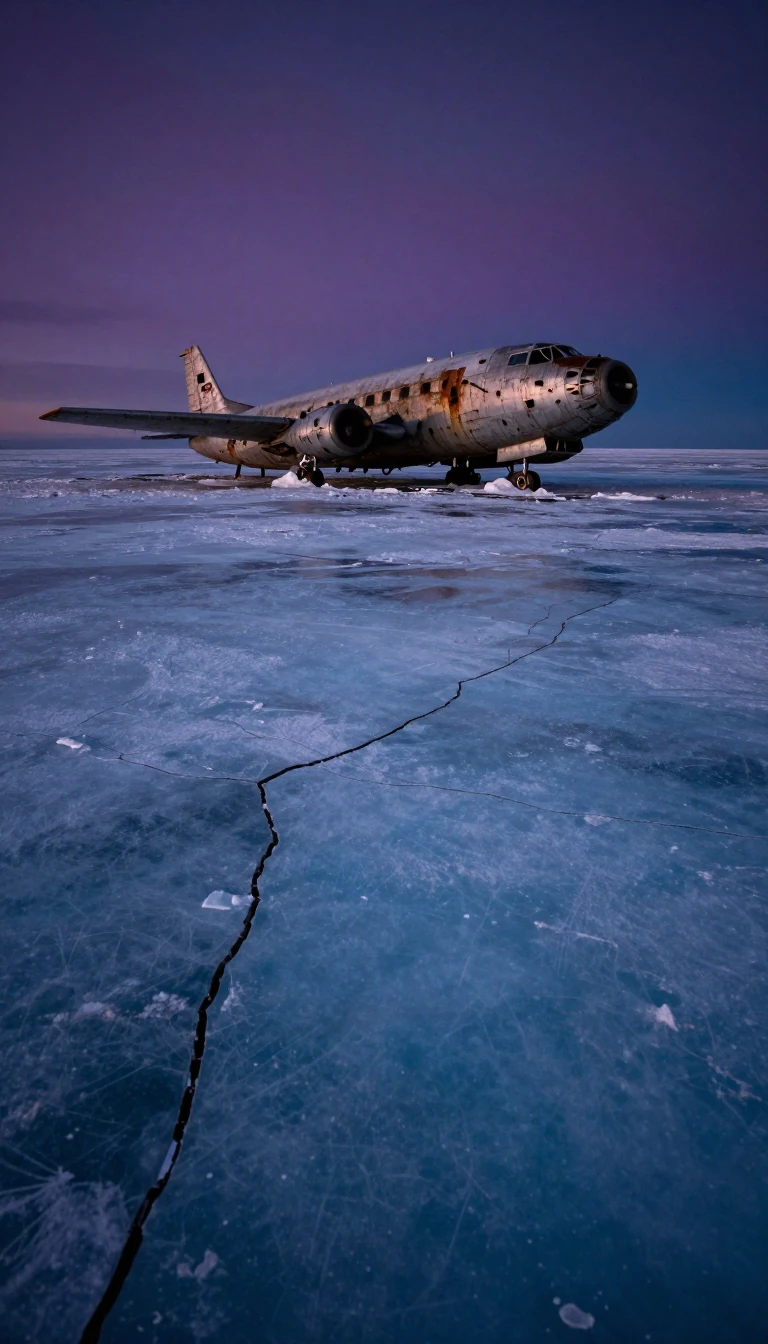
In short: Greenland has long been a chessboard for global powers, moving from a World War II defensive outpost to a Cold War nuclear testing ground. Today, as climate change opens new maritime routes and resource potential, this vast territory remains a critical, evolving focal point for international security and Danish sovereignty.
During World War II, the United States occupied Greenland to prevent Nazi Germany from utilizing the territory, eventually building 17 facilities including airfields and hospitals. Following the war, the US maintained a significant presence, formalizing its role through the 1951 Greenland Defense Agreement. This era saw clandestine operations, such as the 1959 construction of Camp Century, a nuclear-powered base buried within the ice sheet. Designed as part of the top-secret Project Iceworm, the site aimed to host a network of mobile nuclear missile launchers capable of surviving a first strike, though the project was ultimately abandoned in the late 1960s.
While the Kingdom of Denmark retains responsibility for Greenland's defense and foreign affairs, the territory has moved toward greater autonomy. A 2008 referendum led to an extended self-government agreement in 2009, granting Greenland control over police and justice. The Joint Arctic Command, based in Nuuk, now coordinates maritime activity, search and rescue, and sovereignty patrols. The Danish Navy’s 1st Squadron, equipped with Knud Rasmussen-class patrol vessels, manages these internal waters, with plans to introduce modular MPV80-class ships after 2025 to enhance operational flexibility.
The geopolitical stakes in the Arctic are rising as melting ice caps increase accessibility for commercial and scientific activity. In response, Denmark has prioritized Arctic defense, bolstered by the 2016 Arctic Agreement, which allocated 720 million DKK over six years for surveillance and operational efforts. Recent developments include the permanent stationing of surveillance aircraft in Kangerlussuaq and parliamentary agreements to deploy long-range MQ-9 Reaper drones. As new sea routes emerge, the relationship between Danish military forces and local Greenlandic authorities remains central to maintaining stability in an increasingly contested High North.
Opens the Intellect+ feed with this card first. Swipe up for the next one.
Sources
- Summary by Intellect · source: Military in Greenland
To cite this card, link to https://intellectplus.co.uk/app/culture-military-in-greenland.
How we source, check and correct cards: Editorial standards.
General information, not professional advice. Spotted an error? Flag the card or see corrections and complaints.
Intellect Plus is a visual educational discovery platform for exploring fascinating facts and ideas. Brain Food, Not Brain Rot. What is Intellect Plus?
Related
More in Peoples & civilisations · More in Cultures · Latest · A–Z · All topics
