The humble acorn is a nutritional powerhouse that once sustained entire human civilizations
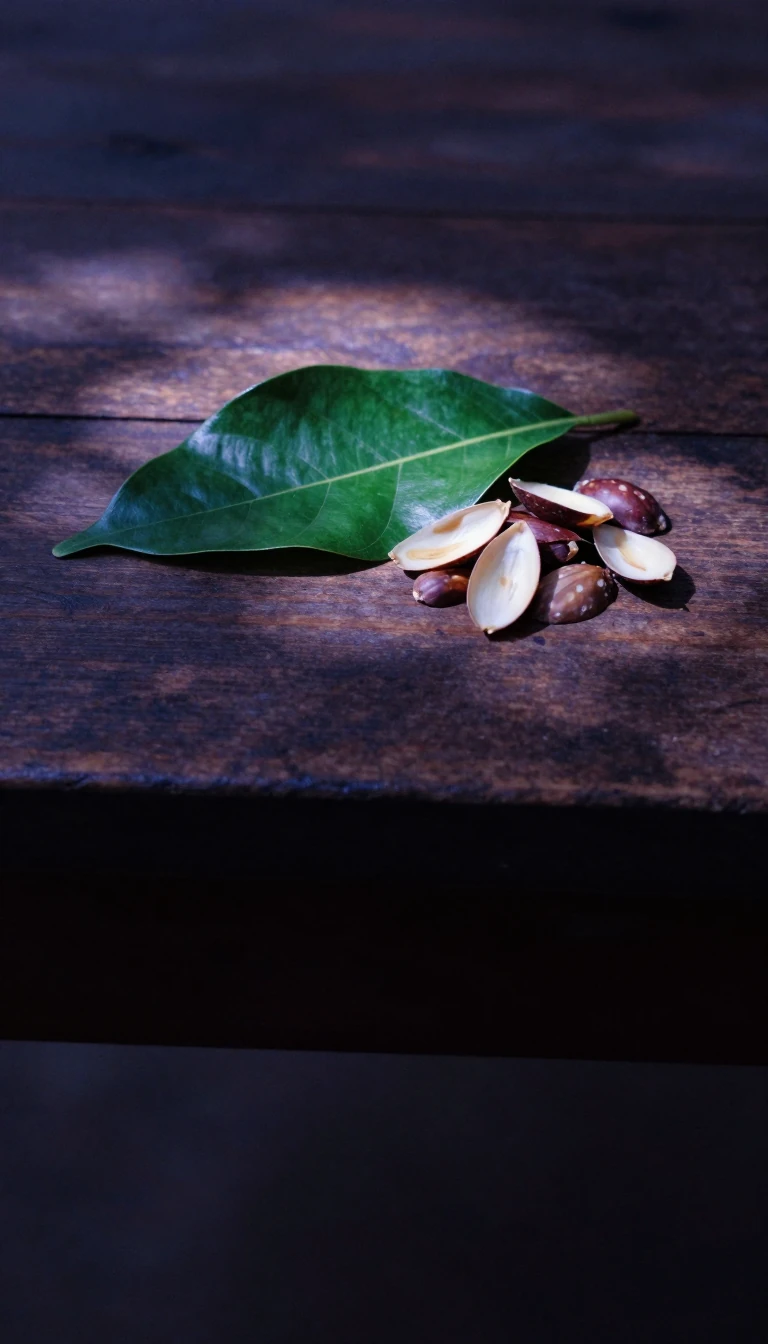
In short: Far more than a squirrel's snack, the acorn is a dense, nutrient-rich seed that has served as a dietary staple for cultures from the Jomon period in Japan to Native American tribes. While often overlooked today, these nuts contain significant protein, healthy fats, and essential minerals for those who know how.
Botanically, the acorn is the fruit of the oak family, protected by a tough pericarp and a cup-shaped cupule. Because they are too heavy for wind dispersal, oaks rely on biological agents like jays and squirrels to scatter-hoard them. These animals inadvertently plant the next generation of forests by caching acorns in diverse locations, some of which are never retrieved. This relationship is a delicate ecological dance; while many animals consume acorns, the trees depend on these specific dispersal agents to move seeds at least 20 to 30 meters from the parent tree.
The primary challenge in consuming acorns is the presence of tannins, bitter plant polyphenols that can cause kidney failure in livestock and are highly astringent to humans. However, traditional knowledge offers a solution: leaching. By soaking chopped acorns in water—or using boiling water to speed the process—the tannins can be removed. This preparation is essential, as raw acorns are otherwise difficult to digest. Once processed, the resulting flour is rich in carbohydrates and fats, providing a caloric density that rivals many other nuts.
Historically, the acorn was a critical food source. Neanderthals in Belgium consumed them, and Pliny the Elder documented their use in bread-making. Today, they remain a culinary tradition in parts of Korea and among various indigenous North American groups, such as the Yurok and Karuk. Beyond the plate, the acorn has permeated human culture as a symbol of strength and endurance, appearing in Roman architecture, Celtic art, and even the modern insignia of the US Army Cavalry Scouts.
While they are not cultivated on an industrial scale like other nuts, acorns remain a fascinating study in survival and human ingenuity. Whether through the specialized stone tools used by Californian Native Americans to grind them into meal or the simple, hot-stone soups prepared in baskets, the acorn represents a deep, ancestral connection to the landscape. Understanding how to unlock their nutritional value is a testament to the traditional ecological knowledge that allowed early societies to thrive on the bounty of the forest.
Opens the Intellect+ feed with this card first. Swipe up for the next one.
Sources
- Summary by Intellect · source: Acorn
To cite this card, link to https://intellectplus.co.uk/app/culture-acorn.
How we source, check and correct cards: Editorial standards.
General information, not professional advice. Spotted an error? Flag the card or see corrections and complaints.
Intellect Plus is a visual educational discovery platform for exploring fascinating facts and ideas. Brain Food, Not Brain Rot. What is Intellect Plus?
Related
More in US culture · More in Cultures · Latest · A–Z · All topics
