A French region with a German soul, Alsace sits at a historic crossroads.
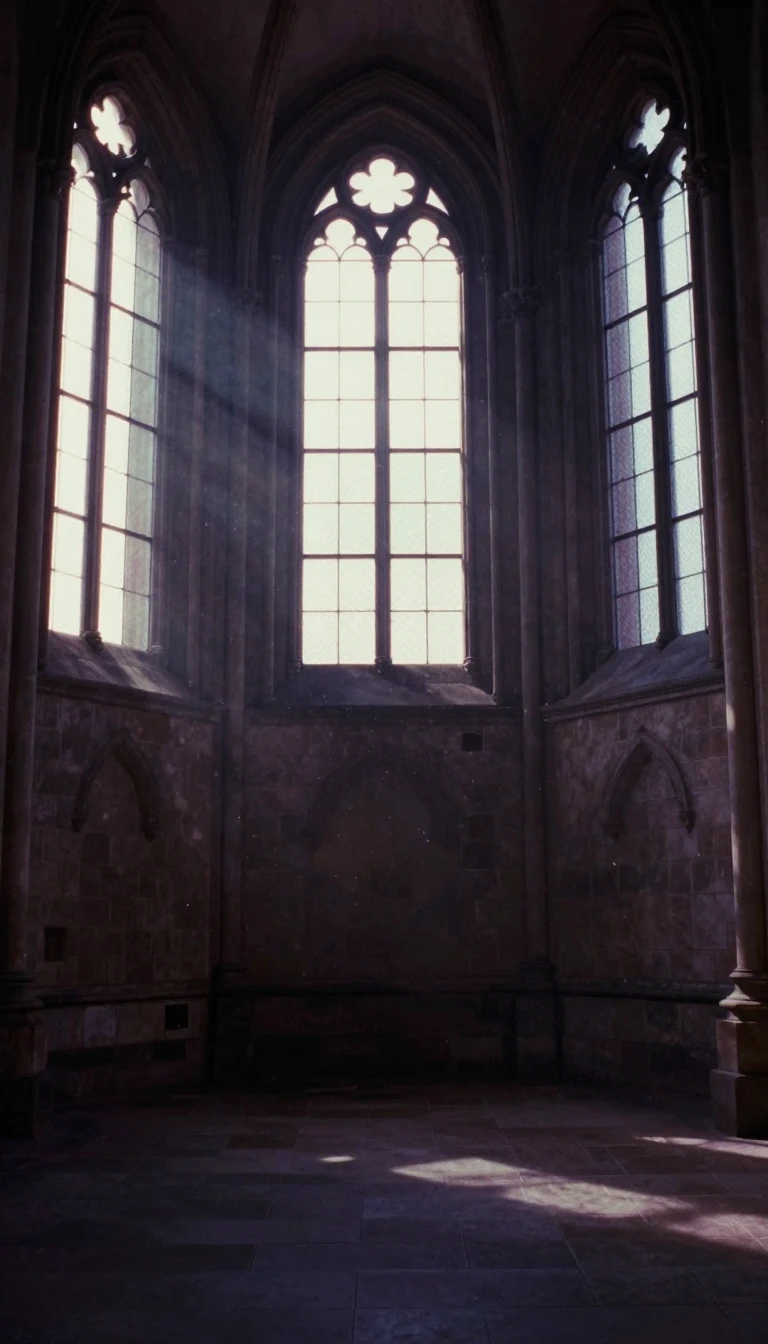
In short: Nestled between the Rhine and the Vosges mountains, Alsace is a cultural mosaic where French and German influences collide. Once a contested borderland, this fertile territory has shifted sovereignty repeatedly over centuries, leaving behind a unique identity, a distinct Alemannic dialect, and a legacy of religious and political resilience.
The history of Alsace is defined by its position as a buffer zone between major European powers. Originally inhabited by nomadic hunters and later integrated into the Roman province of Germania Superior, the region became a Frankish duchy after the fall of Rome. By the 9th century, it was caught in the dynastic divisions of the Carolingian Empire, eventually becoming part of the Holy Roman Empire for several centuries. During the 12th and 13th centuries, Alsace flourished under the Hohenstaufen emperors, and its cities, such as Strasbourg, Colmar, and Hagenau, gained significant autonomy.
The 17th century marked a turning point as France expanded eastward, seeking the Rhine as a natural border. Following the Thirty Years' War, the 1648 Treaty of Westphalia brought most of the region under French sovereignty, though it retained unique customs and religious tolerance that set it apart from the rest of France. This distinct status persisted until the French Revolution, which fully integrated the area into the French administrative system. However, the 19th and 20th centuries saw the region repeatedly annexed by Germany, most notably after the 1870–71 Franco-Prussian War and again during the Second World War.
Today, Alsace remains a blend of these complex layers. While the majority of the population primarily speaks French, the local Alemannic dialect persists, and the region maintains specific local laws that differ from the rest of France. Its economy, once dominated by textiles, is now a diversified hub of industry and research, with Strasbourg serving as a major international center. From its Roman roots and medieval free cities to its modern role within the European Collectivity of Alsace, the region continues to navigate its dual heritage.
Opens the Intellect+ feed with this card first. Swipe up for the next one.
Sources
- Summary by Intellect · source: Alsace
- Also: Alsace | History, Culture, Geography, & Map | Britannica
To cite this card, link to https://intellectplus.co.uk/app/culture-alsace.
How we source, check and correct cards: Editorial standards.
General information, not professional advice. Spotted an error? Flag the card or see corrections and complaints.
Intellect Plus is a visual educational discovery platform for exploring fascinating facts and ideas. Brain Food, Not Brain Rot. What is Intellect Plus?
Related
More in Festivals & celebrations · More in Cultures · Latest · A–Z · All topics
