The 'Both Right' Paradox: Why Only 1% of Humans Are Truly Ambidextrous
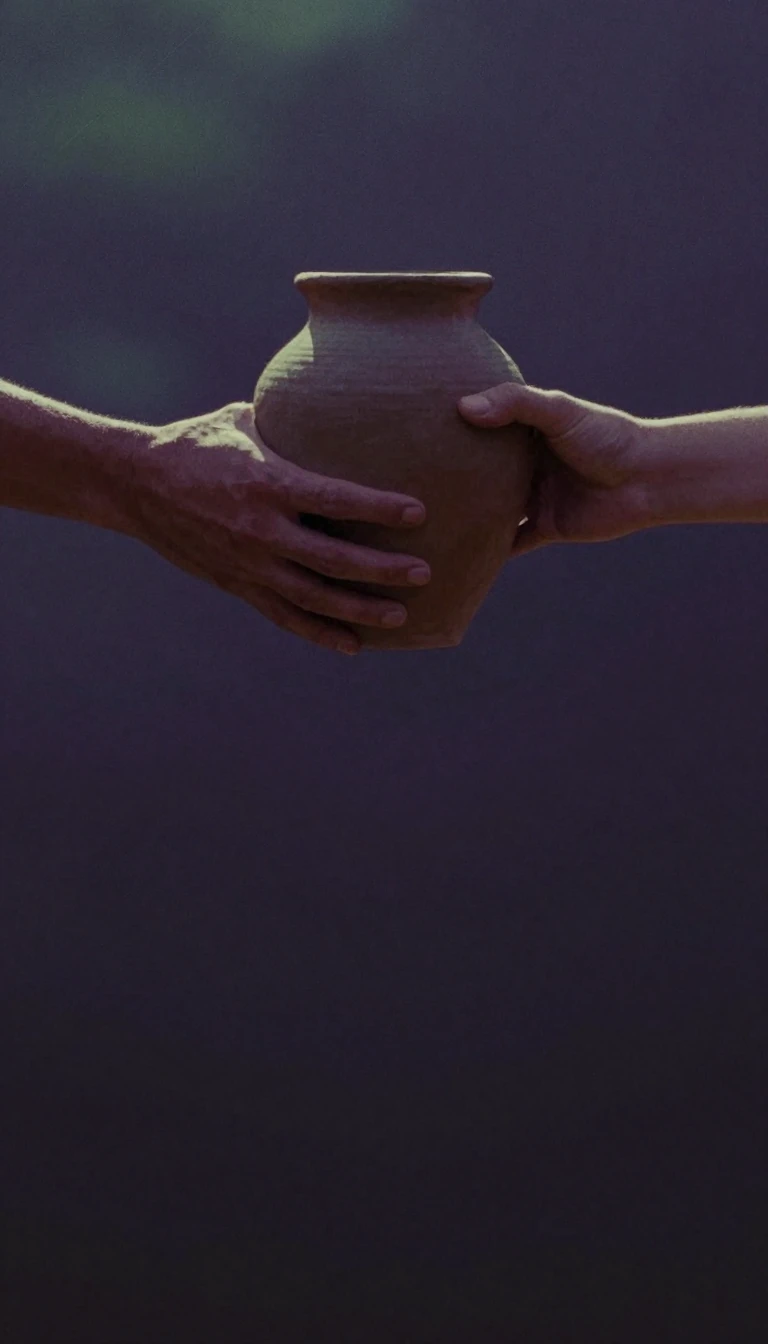
In short: Etymologically, ambidexterity means being 'both right.' Yet for most people, the brain chooses a side. While many left-handers develop secondary skills out of necessity, true ambidexterity remains a rare neurological trait, once championed as a way to unlock 100% of human potential.
The term 'ambidextrous' is rooted in the Latin roots 'ambi-' (both) and 'dexter' (right or favorable), literally translating to 'both right.' This linguistic quirk highlights a fundamental biological reality: handedness is the most visible manifestation of laterality, where the human brain localizes specific functions into distinct hemispheres. While the exact origins of these preferences are debated, researchers suggest they likely stem from a combination of genetic blueprints and environmental influences.
Naturally ambidextrous individuals make up only about one percent of the global population—roughly 80 million people. Because our world is largely designed for right-handed use, many left-handers develop motor skills in their non-dominant hand simply to navigate asymmetrical tools like scissors or can openers. This distinction is vital; while a left-hander might become proficient with their right hand due to necessity, they are not necessarily 'ambidextrous' in the biological sense of having no marked preference.
The history of ambidexterity is marked by both fascination and myth. In 1646, scholar Thomas Browne coined the word, but it wasn't until the 1880s that the stigma surrounding left-handedness began to lift. This era saw the rise of movements like John Jackson’s Ambidextral Culture Society, which argued that right-handedness wasted half of a person's potential. While modern research has largely dismissed Jackson's claims of total hemispheric independence, the concept remains relevant in discussions regarding neuroplasticity and specialized fields like surgery, where surgeons must tie knots with either hand depending on their positioning.
In sports, ambidexterity is often a high-value competitive advantage. In baseball, 'switch hitters' can exploit both right and left-handed pitchers, while in combat sports, fighters may adopt 'southpaw' stances to access precise jabs from the leading hand. From surgeons navigating complex knots to athletes like Pete Rose or modern switch-pitchers like Pat Venditte, the ability to bypass lateral dominance remains a powerful tool for human achievement.
Opens the Intellect+ feed with this card first. Swipe up for the next one.
Sources
- Summary by Intellect · source: Ambidexterity
- Also: Ambidexterity | Description | Britannica
To cite this card, link to https://intellectplus.co.uk/app/culture-ambidexterity.
How we source, check and correct cards: Editorial standards.
General information, not professional advice. Spotted an error? Flag the card or see corrections and complaints.
Intellect Plus is a visual educational discovery platform for exploring fascinating facts and ideas. Brain Food, Not Brain Rot. What is Intellect Plus?
Related
More in UK & Irish culture · More in Cultures · Latest · A–Z · All topics
