The Himalayan peak that resembles a mother's protective charm box
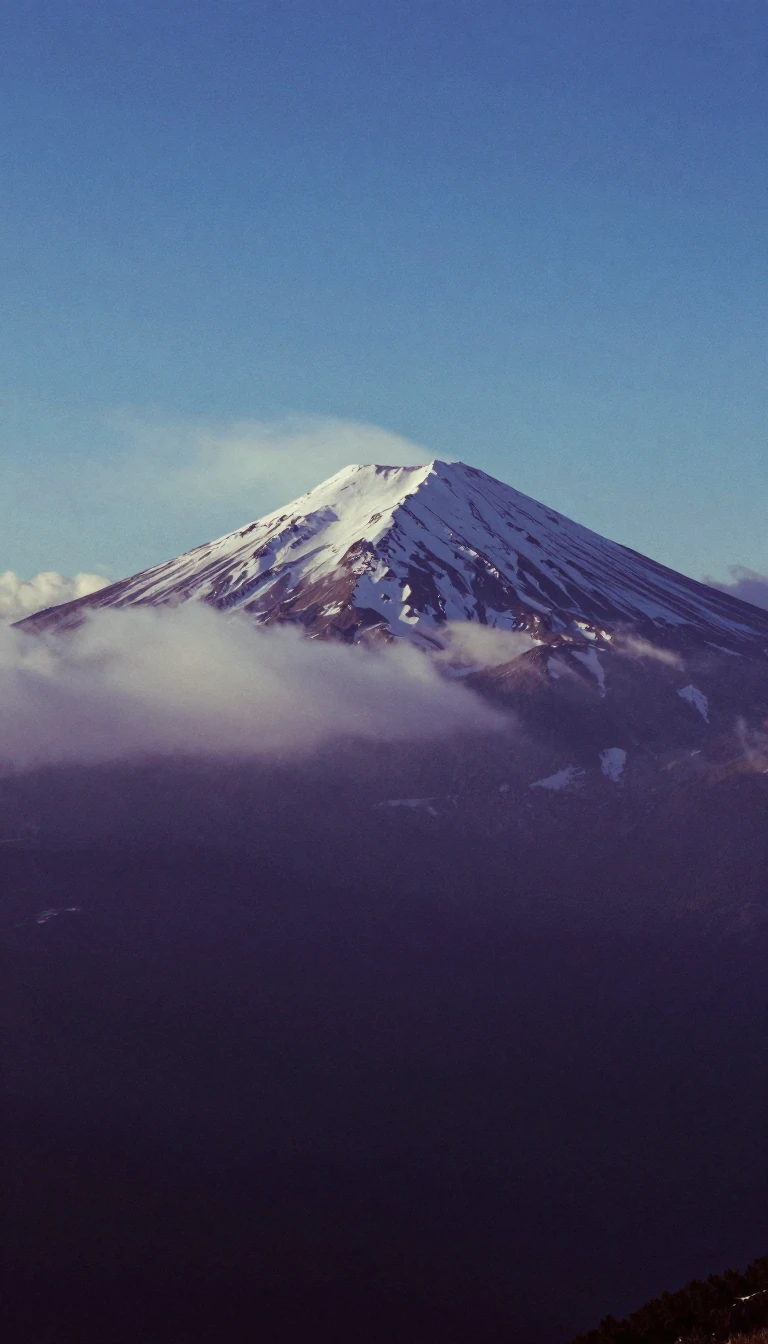
In short: Dominating the eastern sky for Everest trekkers, Ama Dablam is known as the 'Matterhorn of the Himalayas.' Its striking silhouette is not just a geological marvel but a cultural symbol, with a name that translates to 'mother's charm box' in the Sherpa language.
The mountain's distinctive shape is defined by its soaring ridges and a hanging glacier. In the Sherpa language, the name Ama Dablam refers to the protective arms of a mother (ama) and the dablam, a traditional double-pendant containing images of gods worn by Sherpa women. The main peak reaches an altitude of 6,812 metres (22,349 ft), while the lower western peak stands at 6,170 metres (20,243 ft). The mountain's profile is so iconic that it is depicted on Nepal's one rupee note. Its dramatic topography includes steep faces and soaring ridges that command attention.
Climbing the mountain has evolved significantly since the first successful ascent on 13 March 1961 by Mike Gill, Barry Bishop, Mike Ward, and Wally Romanes. While it was considered a formidable challenge in the mid-1980s due to steep rock and ice, modern climbers often use fixed ropes along the Southwest Ridge, the most popular route. To reduce danger after a major November 2006 serac fall, mountaineers generally establish just two camps: Camp I above 5,800 m (19,000 ft) and Camp II above 6,000 m (20,000 ft). The initial successful climb was achieved by a team including Mike Ward from the UK. This expedition followed a 1960–61 Silver Hut mission led by Sir Edmund Hillary.
Beyond its physical presence, the mountain holds cultural and commercial significance. It is featured on the one rupee Nepalese banknote and was once used as a branding logo for Invesco Perpetual in the UK. Today, it remains a major destination, ranking as the third most popular Himalayan peak for permitted expeditions, with peak climbing seasons occurring in April, May, September, and October. The peak's popularity has grown to make it the third most sought-after Himalayan summit for sanctioned trips. Optimal climbing windows are found during the months of April, May, September, and October.
Opens the Intellect+ feed with this card first. Swipe up for the next one.
Sources
- Summary by Intellect · source: Ama Dablam
To cite this card, link to https://intellectplus.co.uk/app/culture-ama-dablam.
How we source, check and correct cards: Editorial standards.
General information, not professional advice. Spotted an error? Flag the card or see corrections and complaints.
Intellect Plus is a visual educational discovery platform for exploring fascinating facts and ideas. Brain Food, Not Brain Rot. What is Intellect Plus?
Related
More in UK & Irish culture · More in Cultures · Latest · A–Z · All topics
