Why your brain insists on finding faces and meaning in random lunar craters
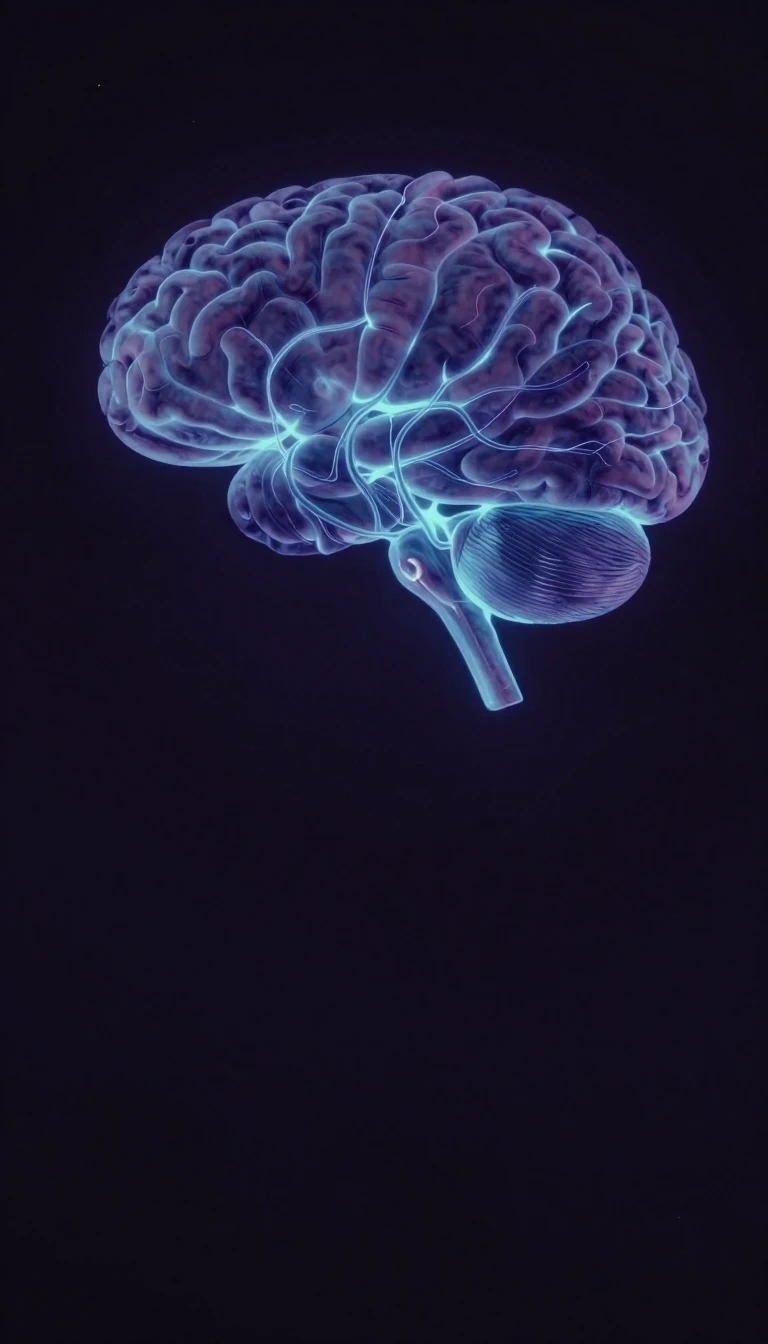
In short: Apophenia is the human tendency to perceive patterns where none exist. From seeing a man in the moon to identifying conspiracies in coincidences, our brains are hardwired to seek order in chaos. This cognitive quirk is a fundamental, if sometimes misleading, feature of how we process the world around us.
Apophenia is defined as the perception of connections between unrelated data, objects, or ideas. While often a harmless byproduct of normal brain function—such as seeing a face in a cloud or a rabbit in the moon—it can escalate into psychiatric dysfunction. Psychiatrist Klaus Conrad coined the term in 1958, describing it as an unmotivated seeing of connections accompanied by a feeling of abnormal meaningfulness.
The phenomenon manifests in various ways, including pareidolia, where we project images like faces onto inanimate objects. This is often attributed to the fusiform face area, the part of the brain responsible for face recognition, which can mistakenly interpret random configurations as human features. In statistics, this tendency is known as a type I error, or a false positive, where patterns are identified in data that are actually random.
Cultural history is rich with examples of this projection. The moon’s dark maria, which are remnants of ancient volcanic eruptions, have inspired diverse narratives globally. Samoan legends speak of Sina and her child being taken to the sky, while Sri Lankan and Chinese traditions feature rabbits sacrificing themselves or assisting moon goddesses. Some Shiʿite Muslims interpret lunar patterns as the name of Ali, the son-in-law of Muhammad, who lived from about 600 to 661 CE.
Whether it is gamblers imagining patterns in roulette wheels or conspiracy theorists weaving coincidences into plots, apophenia reflects our brain's relentless drive to match stimuli against stored templates or prototypes. While these mechanisms help us navigate daily life, they can also lead us to find significance in noise, proving that our search for meaning is sometimes more powerful than the reality of the data itself.
Opens the Intellect+ feed with this card first. Swipe up for the next one.
Sources
- Summary by Intellect · source: Apophenia | Description, Forms, Gambler’s Fallacy, & Intervention | Britannica
- Also: Apophenia
To cite this card, link to https://intellectplus.co.uk/app/culture-apophenia.
How we source, check and correct cards: Editorial standards.
General information, not professional advice. Spotted an error? Flag the card or see corrections and complaints.
Intellect Plus is a visual educational discovery platform for exploring fascinating facts and ideas. Brain Food, Not Brain Rot. What is Intellect Plus?
Related
More in Peoples & civilisations · More in Cultures · Latest · A–Z · All topics
