One day, two very different ways of remembering
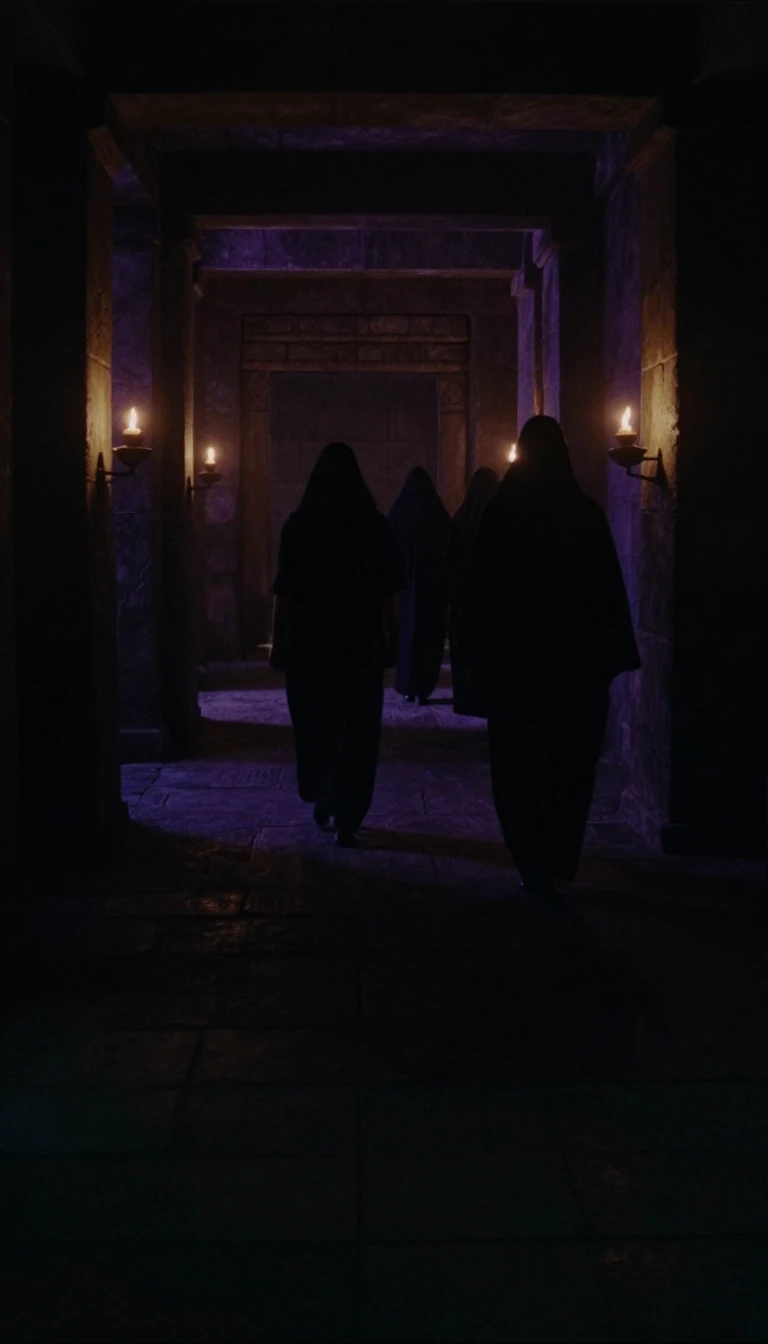
In short: On the 10th of Muharram, the Islamic calendar holds a date of profound divergence. For some, it is a day of solemn mourning and bloodletting; for others, a day of grateful fasting. Discover how a single historical moment split a faith into two distinct traditions of remembrance.
Ashura, derived from the Arabic word for ten, marks the 10th day of Muharram. While the date is shared, the emotional landscape of the day varies significantly between the Sunni and Shiʿi branches of Islam. For Shiʿi Muslims, the day is defined by the martyrdom of Al-Ḥusayn ibn ʿAlī, the Prophet Muhammad’s grandson. In 680, during the Battle of Karbala, Ḥusayn and a small band of followers were killed by Umayld forces under Yazīd I. This event is a cornerstone of Shiʿi identity, representing a struggle for justice against tyranny.
Observances for Shiʿis often involve intense communal mourning. This can include sermons, the recitation of poetry, and passion plays known as taʿziyyah. In some regions, processions feature rhythmic chest-beating or even self-flagellation, though the latter is a subject of debate and was even prohibited by an Iranian fatwa issued by Ali Khamenei in 1994. In South Asia, the tradition includes carrying models of Ḥusayn's tomb, called tazias, through the streets.
For Sunni Muslims, Ashura is viewed through a lens of historical deliverance and optional fasting. Sunni traditions link the day to several biblical and Islamic milestones, such as the parting of the Red Sea for Moses, Noah disembarking from the ark, and the release of Joseph from prison. Some scholars suggest the practice of fasting may have originated from the Prophet Muhammad’s observation of Jewish fasting on Yom Kippur in Medina. While the obligation to fast on this day was dropped after the designation of Ramadan, many Sunnis still observe it as a desirable, supererogatory act of devotion.
The day also serves as a site of cultural intersection. In Trinidad, the holiday manifests as 'Hosay,' a carnivalesque celebration shared by Muslims, Hindus, and Christians. However, the history of Ashura is not without friction; in countries like India, Pakistan, and Iraq, the divergent rituals have occasionally led to periods of intense sectarian tension.
Opens the Intellect+ feed with this card first. Swipe up for the next one.
Sources
- Summary by Intellect · source: Ashura | Islam, Muharram, Shi’i and Sunni, Martyrdom of Husayn, Fasting, History, Practices, & Meanings | Britannica
- Also: Ashura
To cite this card, link to https://intellectplus.co.uk/app/culture-ashura.
How we source, check and correct cards: Editorial standards.
General information, not professional advice. Spotted an error? Flag the card or see corrections and complaints.
Intellect Plus is a visual educational discovery platform for exploring fascinating facts and ideas. Brain Food, Not Brain Rot. What is Intellect Plus?
Related
More in Culture · More in Cultures · Latest · A–Z · All topics
