Why do world leaders wear matching outfits at the Asia-Pacific Economic Cooperation summit?
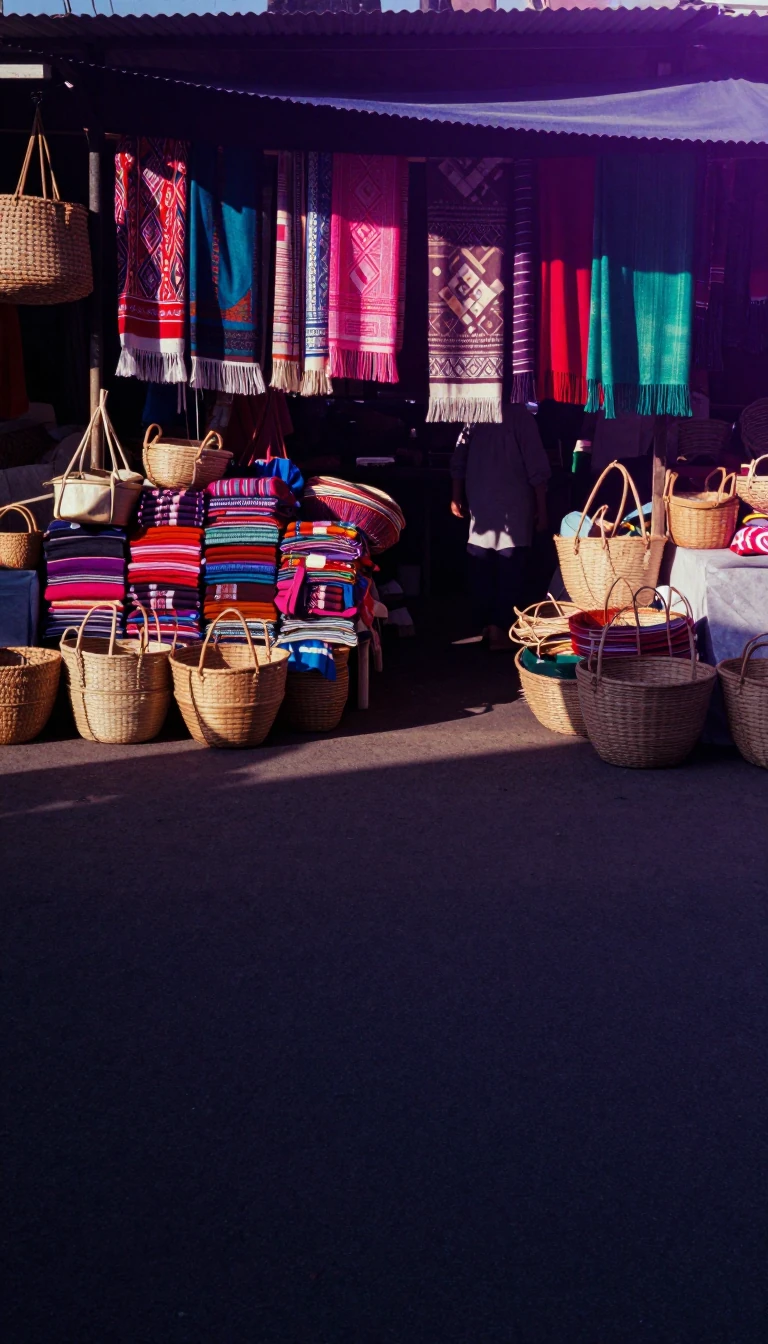
In short: Every year, the heads of 21 Pacific Rim economies gather to discuss trade, but the most famous tradition is the group photo. Leaders often don national costumes of the host country, a practice that began in 1993 when Bill Clinton handed out leather bomber jackets to his fellow attendees.
Established in 1989, the Asia-Pacific Economic Cooperation (APEC) serves as a high-level forum for 21 member economies. Unlike many international bodies, APEC avoids the term 'countries' because its members are independent economic entities, allowing for the participation of regions like Hong Kong and Chinese Taipei alongside sovereign states. The organization was initially an Australian initiative, inspired by the success of ASEAN's ministerial conferences, intended to foster regional cooperation and secure greater Japanese engagement.
APEC operates on consensus and voluntary commitments, focusing on trade facilitation and economic growth. In 1994, leaders adopted the 'Bogor Goals,' which set targets for free and open trade by 2010 for industrialized economies and 2020 for developing ones. To support these objectives, APEC established the Policy Support Unit in 2007 and the APEC Business Advisory Council in 1995, which remains the only non-governmental body with a formal seat at the leaders' meetings.
The organization’s influence is significant, though not without controversy. Critics argue that APEC’s push for free trade can undermine local regulations regarding labor rights, environmental standards, and access to medicine. Furthermore, the forum has faced internal tensions, such as the debate over whether to pursue a structured trade agreement or a consultative approach, and the difficulty of reaching consensus on global conflicts. Despite these challenges, APEC remains a central platform for regional diplomacy, exemplified by the annual leaders' meeting where, despite the occasional cancellation due to civil unrest, the tradition of the 'Family Photo' persists as a symbol of the group's unique, if sometimes performative, unity.
Opens the Intellect+ feed with this card first. Swipe up for the next one.
Sources
- Summary by Intellect · source: Asia-Pacific Economic Cooperation
- Also: Asia-Pacific Economic Cooperation (APEC)
- Also: www.britannica.com — Asia-Pacific Economic Cooperation (APEC) | Britannica
To cite this card, link to https://intellectplus.co.uk/app/culture-asia-pacific-economic-cooperation.
How we source, check and correct cards: Editorial standards.
General information, not professional advice. Spotted an error? Flag the card or see corrections and complaints.
Intellect Plus is a visual educational discovery platform for exploring fascinating facts and ideas. Brain Food, Not Brain Rot. What is Intellect Plus?
Related
More in Languages · More in Cultures · Latest · A–Z · All topics
