These shifting sand ribbons are the world’s most effective natural coastal defense systems
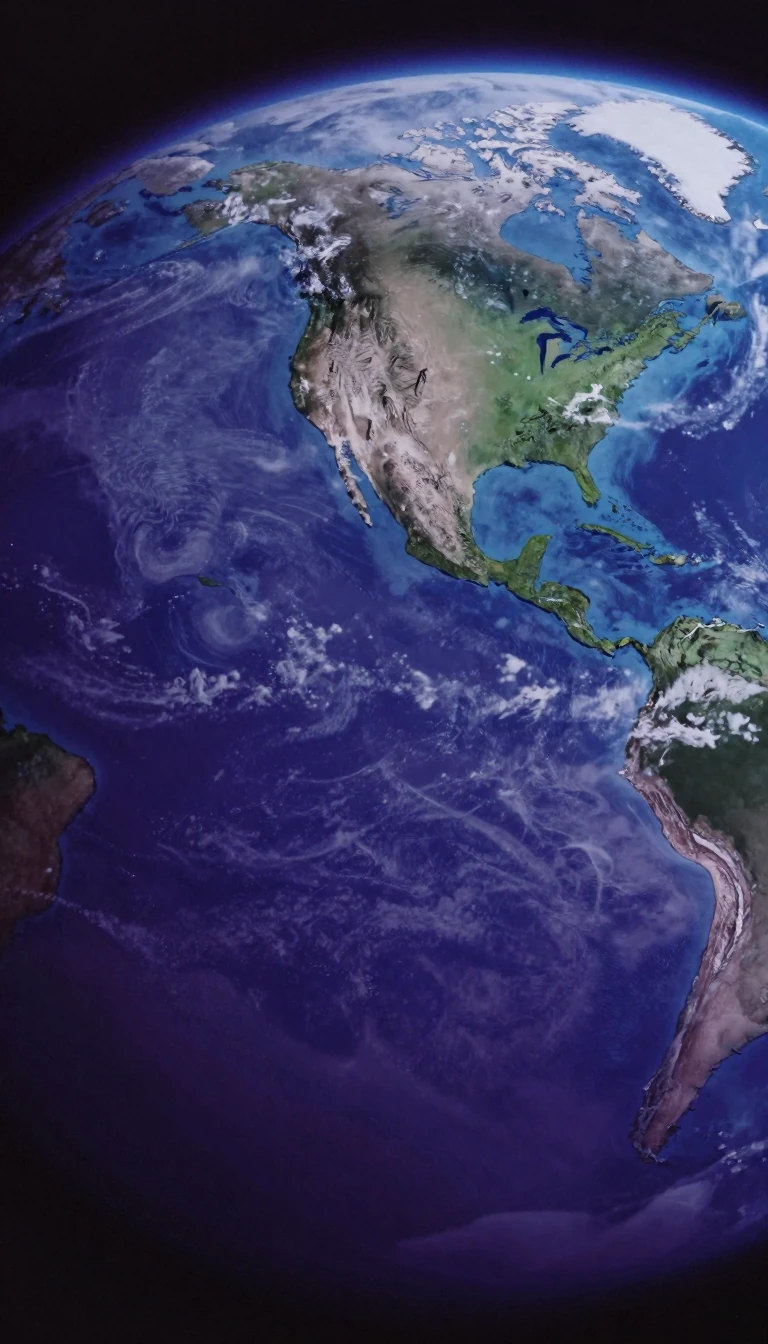
In short: Barrier islands are dynamic, narrow landforms that act as nature's shock absorbers. By absorbing intense wave energy and storm surges, these sand chains protect mainland ecosystems and human communities. Though they appear permanent, they are constantly migrating, eroding, or expanding in response to sea levels, sediment supply, and extreme weather.
Formed parallel to coastlines through the interplay of waves, tides, and sediment, barrier islands are found along roughly 13 to 15% of the world's shores. They thrive in tectonically stable environments with ample sand and relatively small tidal ranges. While scientists have debated their origins for over 150 years—proposing theories ranging from submarine bar formation to the submergence of coastal ridges—it is now understood that no single mechanism explains every island. Instead, these systems evolve through complex, interconnected processes.
The morphology of a barrier island is defined by its exposure to energy. Wave-dominated islands are typically long and narrow, prone to breaching during storms. As storm surges wash over these barriers, they transport sediment landward, a process that allows the island to migrate toward the mainland. This migration is vital for the island's survival, especially when sea levels rise. If a barrier is too wide, overwash cannot reach the bayside, causing the island to narrow until it reaches a 'critical width' that balances sediment loss with shoreline recession.
Beyond their physical structure, these islands are critical ecological hubs. The ocean-facing side features dunes and beaches, while the sheltered backshore hosts lagoons, tidal flats, and marshes. These habitats support diverse wildlife, including nesting sea turtles and migratory birds. However, these natural defenses are increasingly threatened. Human interventions—such as dredging, damming rivers, and building hard infrastructure—disrupt the natural sediment flow required to maintain these islands. As climate change accelerates sea-level rise and intensifies storm activity, the loss of these protective barriers poses a significant risk to the coastal resilience of communities worldwide.
Today, restoration efforts focus on mimicking natural processes to bolster these systems. By reconstructing islands to optimal dimensions, projects aim to restore the protective buffer that estuaries and marshes rely upon. Whether through natural accretion or human-led engineering, the future of these islands depends on our ability to work with, rather than against, the dynamic forces that shape them.
Opens the Intellect+ feed with this card first. Swipe up for the next one.
Sources
- Summary by Intellect · source: Barrier island
- Also: What is a barrier island?
- Also: www.britannica.com — Barrier island | geology | Britannica
To cite this card, link to https://intellectplus.co.uk/app/culture-barrier-island.
How we source, check and correct cards: Editorial standards.
General information, not professional advice. Spotted an error? Flag the card or see corrections and complaints.
Intellect Plus is a visual educational discovery platform for exploring fascinating facts and ideas. Brain Food, Not Brain Rot. What is Intellect Plus?
Related
More in Peoples & civilisations · More in Cultures · Latest · A–Z · All topics
