Why flat coasts are never truly still, but constantly shifting landscapes
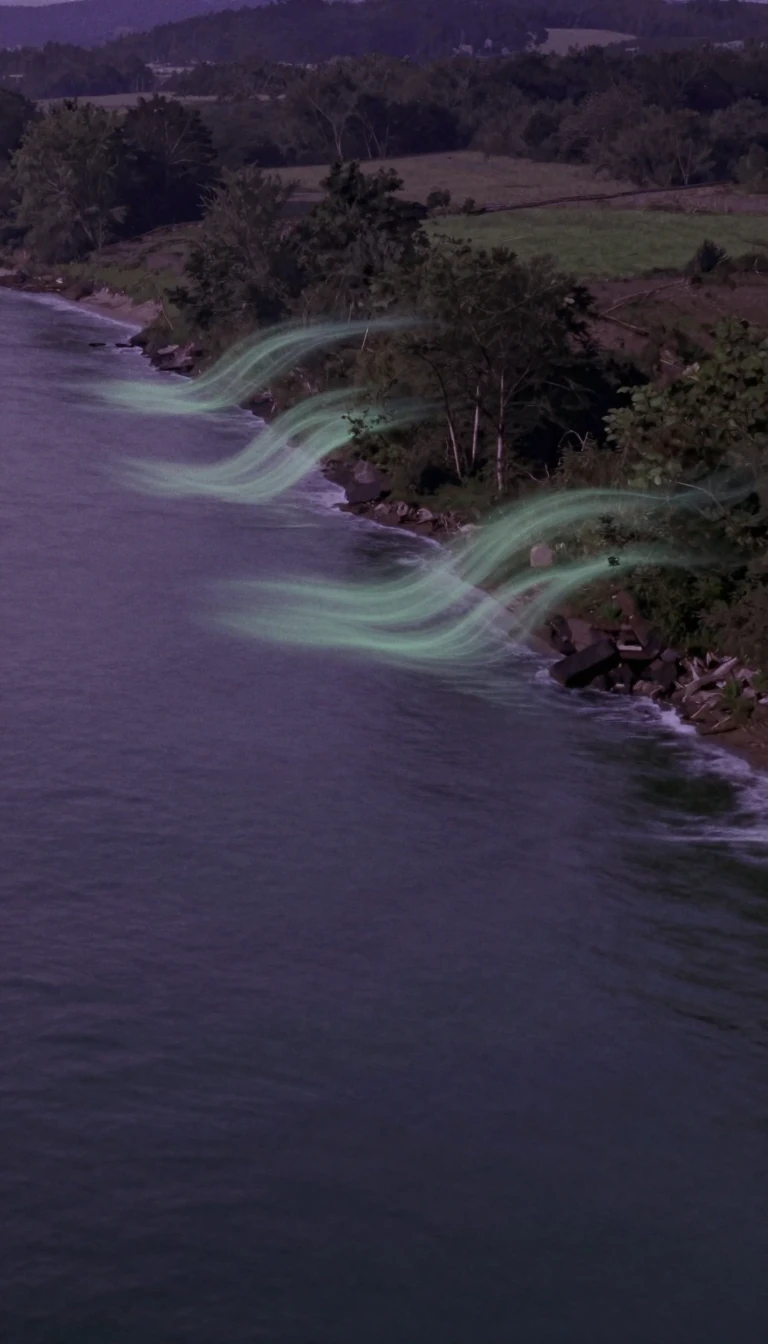
In short: A flat coast is not a static edge where land meets sea, but a dynamic, evolving system. Driven by waves, tides, and wind, these shorelines are in perpetual motion. From underwater sandbars to shifting beach ridges, the coast is a restless landscape that grows, erodes, and reshapes itself every season.
Flat coasts emerge when the sea encroaches upon gently sloping terrain or through the gradual wearing down of loose rock. These environments are defined by a littoral series, a sequence of landforms shaped by the constant movement of water. At the heart of this system is the shoreface, the underwater zone where waves actively transport and deposit sand and gravel. Often, these deposits form long, submerged ridges known as bars, which run parallel to the shore. The troughs between these bars and the beach, called runnels, reveal the ongoing work of wave energy in rearranging the seabed.
The definition of the beach itself remains a subject of debate among geomorphologists. Some experts classify the beach as the entire area from the lowest tide point to the highest storm-surge mark. Others prefer to distinguish between the intertidal foreshore and the supratidal backshore, which only experiences direct water contact during extreme weather. Regardless of the terminology, the beach platform is a site of constant change. Features like berms—ridges of sand or gravel thrown up by breaking waves—are temporary structures. Their size and position fluctuate with the seasons, with winter storm surges often creating more prominent, higher ridges than summer tides.
Over time, these processes can lead to significant land formation. When a series of parallel berms accumulates, the shoreline can gradually advance toward the sea. Skagen Odde, a headland at the northern tip of Denmark, serves as a prime example of this growth. While nature builds these coasts through deposition, human intervention often attempts to halt the process using groynes, stone walls, or concrete tetrapods to combat erosion. Meanwhile, pioneer plants like beach grass and sea buckthorn play a vital role in stabilizing dunes, preventing the wind from carrying away the fine grains that define these shifting, fragile environments.
Opens the Intellect+ feed with this card first. Swipe up for the next one.
Sources
- Summary by Intellect · source: Flat coast
- Also: iNaturalist — coastal flat-body (Agonopterix yeatiana) · CC BY-SA 4.0 (Wikipedia summary)
To cite this card, link to https://intellectplus.co.uk/app/nature-flat-coast.
How we source, check and correct cards: Editorial standards.
General information, not professional advice. Spotted an error? Flag the card or see corrections and complaints.
Intellect Plus is a visual educational discovery platform for exploring fascinating facts and ideas. Brain Food, Not Brain Rot. What is Intellect Plus?
Related
More in Geomorphology · More in Nature · Latest · A–Z · All topics
