How a single province became the wealthiest engine of the Mughal Empire
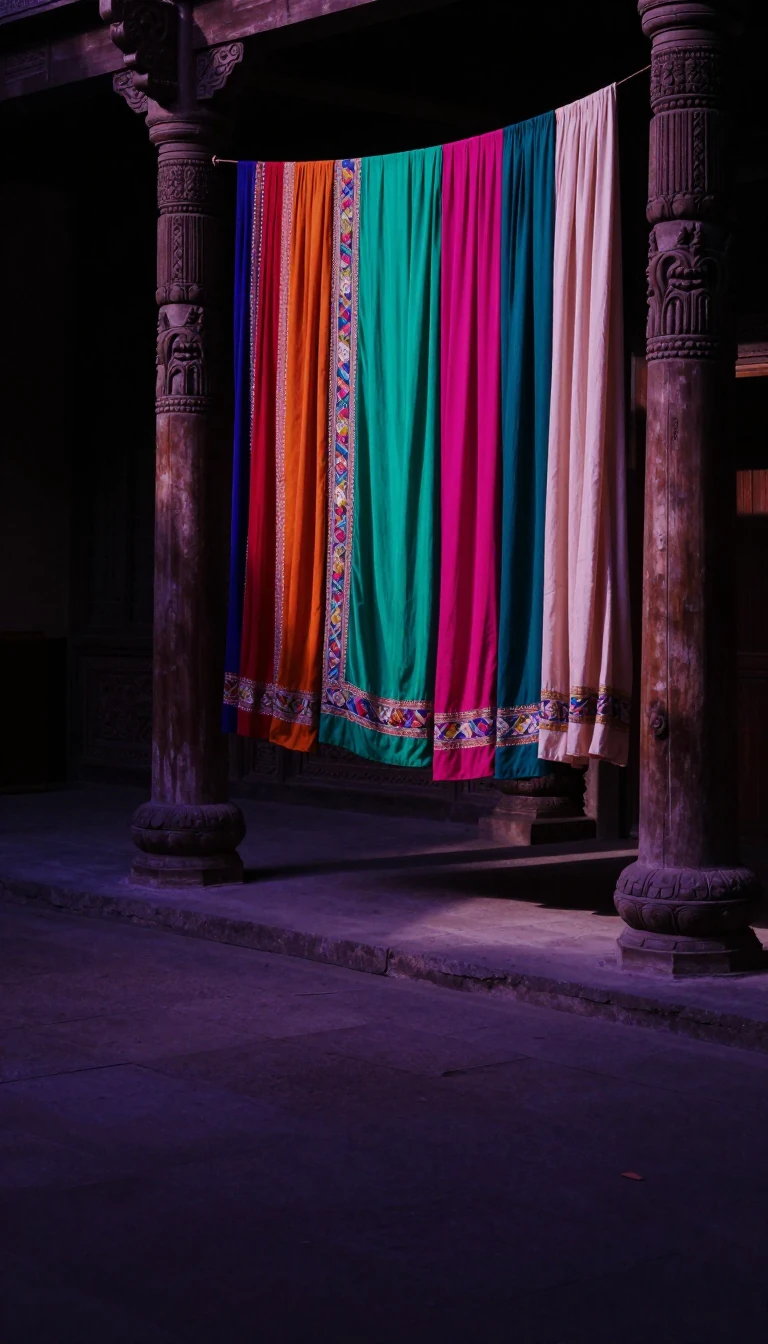
In short: Long before the British Raj, the Bengal Subah stood as a global economic powerhouse. Known as the 'paradise of nations,' this vast territory drove international trade through its massive textile exports, advanced shipbuilding, and immense wealth, acting as the financial backbone of the entire Mughal imperial treasury.
Between the 16th and 18th centuries, the Bengal Subah emerged as the most prosperous subdivision of the Mughal Empire. The region, which encompassed much of modern-day Bangladesh and West Bengal, as well as parts of Bihar, Jharkhand, and Odisha, was a global leader in proto-industrialization. Its economy was anchored by massive industries, including textile manufacturing, silk, cotton, and saltpeter. The scale of its influence was immense; for instance, Bengal alone accounted for 40% of all Dutch imports from Asia during its peak.
The province's wealth was matched by its architectural and cultural sophistication. Under Mughal rule, cities like Dhaka were transformed into imperial metropolises, featuring grand structures like the Lalbagh Fort and the Shaista Khan Caravanserai. The region also pioneered exquisite crafts, such as the Jamdani muslin, a fine fabric with Persian-inspired floral motifs produced by over 80,000 weavers in Dhaka. This era of prosperity, often called the 'Golden Age of Bengal' by Emperor Aurangzeb, was characterized by a unique blend of Mughal and local Islamic architectural styles.
However, this economic dominance faced severe disruptions. In the 18th century, the rise of the de facto independent Nawabs coincided with intense conflict. The Maratha Empire launched devastating raids between 1741 and 1751, resulting in the massacre of approximately 400,000 civilians and widespread economic ruin. This instability paved the way for the British East India Company. Following the decisive Battle of Plassey in 1757 and the Battle of Buxar in 1764, the Company dismantled the region's industrial base, eventually transitioning Bengal from a global manufacturing hub into a colonial territory.
Opens the Intellect+ feed with this card first. Swipe up for the next one.
Sources
- Summary by Intellect · source: Bengal Subah
To cite this card, link to https://intellectplus.co.uk/app/culture-bengal-subah.
How we source, check and correct cards: Editorial standards.
General information, not professional advice. Spotted an error? Flag the card or see corrections and complaints.
Intellect Plus is a visual educational discovery platform for exploring fascinating facts and ideas. Brain Food, Not Brain Rot. What is Intellect Plus?
Related
More in Festivals & celebrations · More in Cultures · Latest · A–Z · All topics
