The twice-baked biscuit designed for survival and long journeys
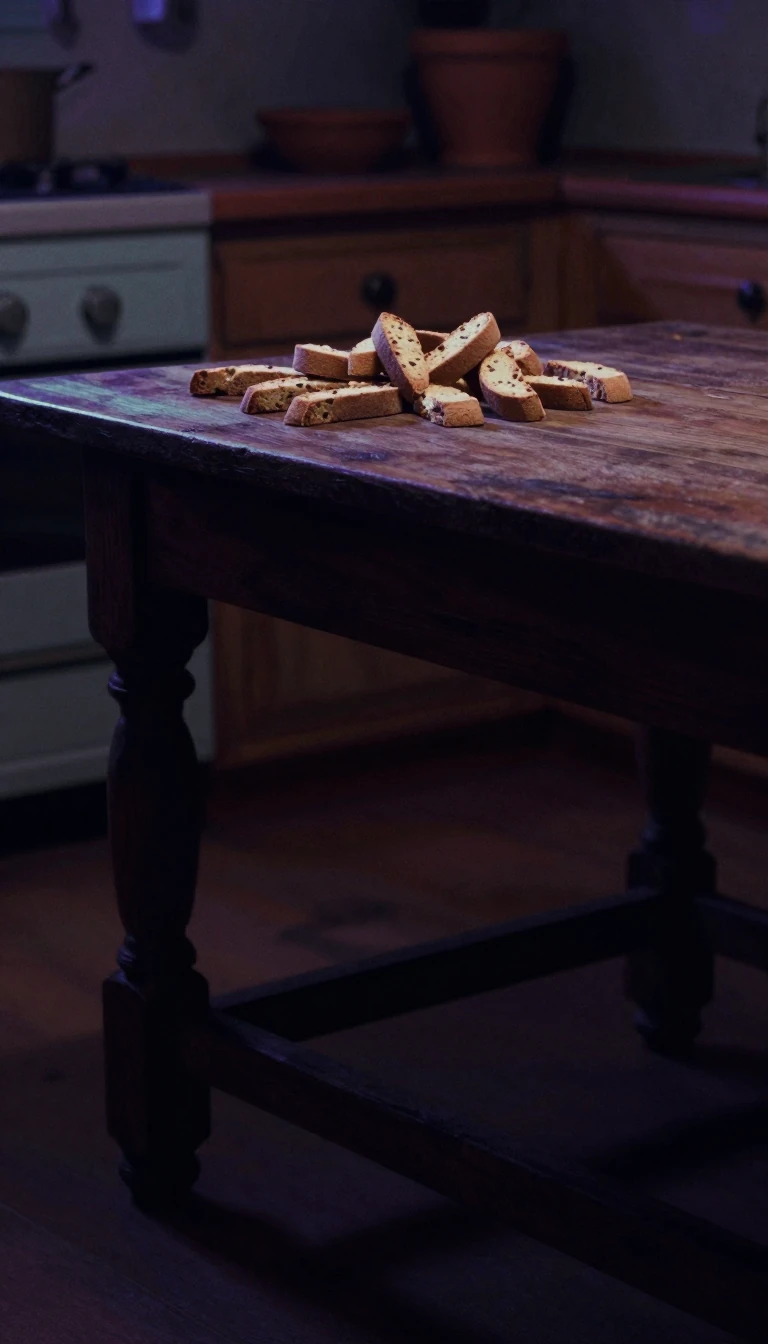
In short: Most people think of biscotti as a delicate dessert for sipping wine. In reality, their defining characteristic—being baked twice—was born from a necessity for preservation. From Roman legions to medieval travelers, this crunchy staple was engineered to endure the rigors of war and long-distance travel.
The term 'biscotti' finds its roots in the Medieval Latin word *biscoctus*, which literally translates to 'twice-cooked.' This double-baking process removes moisture, creating a dry, hard texture that allows the biscuit to be stored for extended periods without spoiling. This non-perishable quality made them a staple for Roman legions and travelers throughout history.
While modern consumers often associate the term with various sweet treats, the traditional recipe from Prato, Tuscany, is remarkably austere. A classic preparation uses only flour, sugar, eggs, and unroasted, unskinned almonds or pine nuts. Notably, the authentic method avoids the use of yeast or fats like butter, oil, or milk. The dough is baked once in a large slab, sliced, and then baked a second time to achieve its signature hardness.
The landscape of these biscuits is filled with regional nuance and nomenclature. In Tuscany, they are often called *cantuccini*, a term that originally referred to variations of the recipe that used yeast or different flavorings. In Catalonia, similar almond-based biscuits are known as *carquinyoli*, and they are used in everything from desserts to savory dishes like rice with sardines. Even in Spain, they appear in ceremonial roles, such as the *currutacos* used to ornament palm leaves on Palm Sunday in Vilanova i la Geltrú.
The modern standard for the Prato version was largely solidified in the 19th century by pastry chef Antonio Mattei. His specific variation gained international recognition after he won a special mention at the 1867 Exposition Universelle in Paris.
Opens the Intellect+ feed with this card first. Swipe up for the next one.
Sources
- Summary by Intellect · source: Biscotti
To cite this card, link to https://intellectplus.co.uk/app/culture-biscotti.
How we source, check and correct cards: Editorial standards.
General information, not professional advice. Spotted an error? Flag the card or see corrections and complaints.
Intellect Plus is a visual educational discovery platform for exploring fascinating facts and ideas. Brain Food, Not Brain Rot. What is Intellect Plus?
Related
More in Festivals & celebrations · More in Cultures · Latest · A–Z · All topics
