Beyond the dimples: The ancient hearth-baked origins of Italy's most versatile flatbread
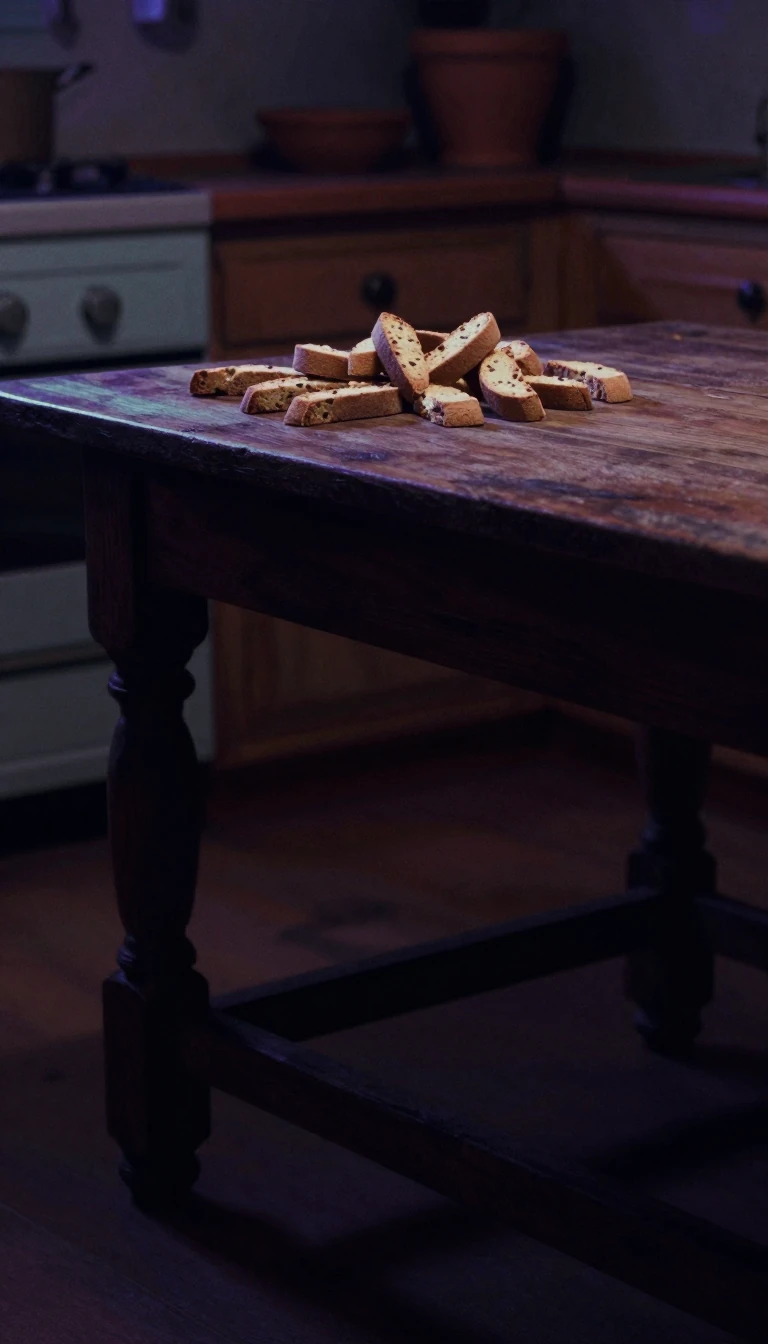
In short: Focaccia is more than a simple flatbread. Rooted in the Latin word for hearth, this leavened staple has evolved from ancient Roman panis focacius into a diverse culinary landscape. From the dimpled, oil-brushed loaves of Genoa to cheese-filled delicacies and sweet holiday treats, its variations span across all of Italy.
The history of focaccia is deeply embedded in the Italian landscape, with its name derived from the Latin focus, meaning hearth or place for baking. While some theories suggest the Etruscans developed the basic recipe, the bread is most strongly associated with Ligurian cuisine today. The first written record of the term appears in the 14th century, marking a long tradition of hearth-baked flatbreads that predate modern pizza.
A key distinction between focaccia and pizza lies in the preparation: while pizza is baked immediately after shaping, focaccia is left to rise after being flattened. This process contributes to its unique texture. In Genoa, the classic version is famous for its ombrisalli, or dimples, which are created by pressing fingers into the dough before it is brushed with olive oil, salt, and sometimes water. Locals often enjoy this warm, sometimes dipping it directly into milk or cappuccino as a morning ritual.
The diversity of the bread is vast. Along the Ligurian coast, one can find everything from the biscuit-hard focaccia secca to the soft, corn-flour based version from Voltri. In Recco, the local specialty features creamy prescinsêua cheese pressed between two layers of paper-thin dough. Further afield, regional adaptations flourish: Apulian versions incorporate potatoes into the dough, while Venetian varieties are enriched with eggs and butter for Easter. Even in the Austrian village of Krimml, the tradition persists as Osterfochaz, a thin bread designed to hold dyed eggs.
Whether savory, topped with rosemary, sage, or garlic, or sweet, featuring honey, raisins, and nuts, focaccia remains a highly adaptable medium. It serves as an antipasto, a sandwich base, or a standalone snack. This versatility explains why, despite being an ancient invention, it remains a central pillar of Italian food culture, constantly reinvented through local ingredients and regional customs.
Opens the Intellect+ feed with this card first. Swipe up for the next one.
Sources
- Summary by Intellect · source: Focaccia
- Also: Wikidata — Focaccia · CC0
- Also: Wikidata — focaccia · CC0
To cite this card, link to https://intellectplus.co.uk/app/places-focaccia.
How we source, check and correct cards: Editorial standards.
General information, not professional advice. Spotted an error? Flag the card or see corrections and complaints.
Intellect Plus is a visual educational discovery platform for exploring fascinating facts and ideas. Brain Food, Not Brain Rot. What is Intellect Plus?
Related
More in Cities · More in Countries & Cities · Latest · A–Z · All topics
