How a Muddy River hamlet became an independent enclave surrounded by Boston
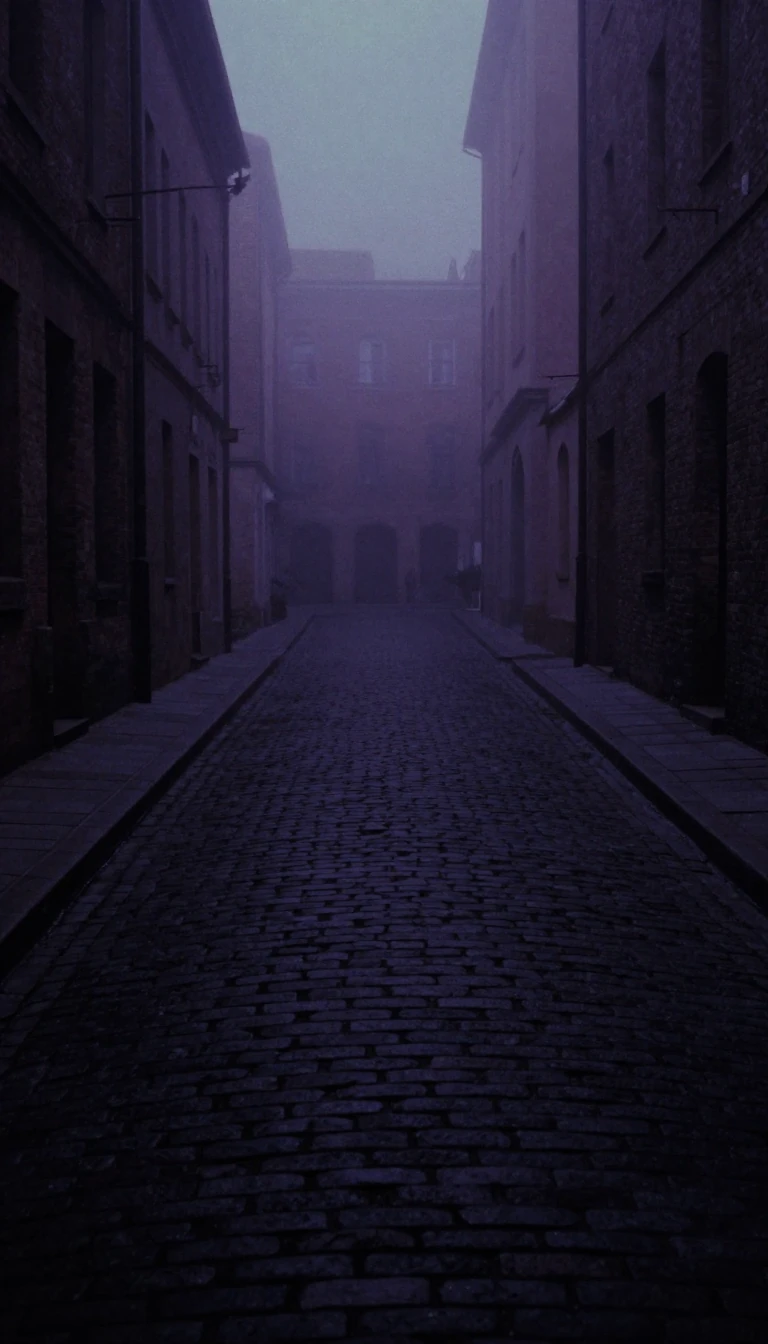
In short: Settled in 1638 as a Boston hamlet, Brookline evolved from a rural landscape into a distinct, independent town. Despite being almost entirely encircled by Boston, it famously resisted annexation in 1873. Today, this unique geography defines its character as a verdant, historic suburb with a complex urban legacy.
Originally known as Muddy River, the area was settled by European colonists in 1638 as an outlying part of Boston. It remained under that name until its formal incorporation as the independent town of Brookline in 1705. Geographically, the town sits within a basin characterized by lower-lying rocks known as pudding stone, which are found beneath the surface in areas like Brookline, Dorchester, and Roxbury.
The town’s relationship with its neighbor has been defined by both integration and separation. While Boston expanded through 19th-century landfill projects and annexations—such as the 1874 merger with Brighton—Brookline maintained its autonomy. A pivotal moment occurred in 1873, when residents held a contentious referendum and voted to reject a proposal to join Boston. This decision ultimately left Brookline as an exclave of Norfolk County, physically isolated from the rest of the county by surrounding Boston neighborhoods.
By the 19th century, the area was celebrated for its picturesque, garden-like quality. Andrew Jackson Downing, in his 1841 work on landscape gardening, described the neighborhood as an "inexpressibly charming" landscape garden, noting its winding lanes and rural freedom. This aesthetic was later complemented by the development of the Emerald Necklace in the 1890s, where Frederick Law Olmsted integrated the Muddy River into a park system that remains accessible to residents of both Boston and Brookline today.
The town's development was further shaped by infrastructure, particularly the arrival of steam railroads in the 1830s and the later expansion of streetcar lines. These transit improvements transformed parts of the town into a streetcar suburb, facilitating growth while the town simultaneously implemented zoning policies that favored single-family housing. This history of development, combined with its unique status as an independent enclave, continues to distinguish Brookline within the broader Boston metropolitan area.
Opens the Intellect+ feed with this card first. Swipe up for the next one.
Sources
- Summary by Intellect · source: Brookline | Suburb, Boston, Town | Britannica
- Also: Brookline, Massachusetts
To cite this card, link to https://intellectplus.co.uk/app/culture-brookline-massachusetts.
How we source, check and correct cards: Editorial standards.
General information, not professional advice. Spotted an error? Flag the card or see corrections and complaints.
Intellect Plus is a visual educational discovery platform for exploring fascinating facts and ideas. Brain Food, Not Brain Rot. What is Intellect Plus?
Related
More in US culture · More in Cultures · Latest · A–Z · All topics
